

In the shadow of a fragile and newly brokered peace for the broader region, a profound human tragedy unfolded in southern Lebanon. On a Thursday, the Israeli military announced the death of Master Sergeant Alexander Filin, a 29-year-old soldier who “fell in combat” the previous day. His loss was part of a single incident that left seven of his comrades wounded, ranging from moderate to light injuries. This announcement was a stark, somber bulletin, cutting through the diplomatic headlines to remind the world that even amidst high-level negotiations, the grim, daily calculus of war continues to extract its price from individual lives and families. Each name and rank in such statements represents a story abruptly ended and a community left grieving, a personal cost often lost in discussions of strategy and statecraft.
This loss occurred against a backdrop of significant, yet precarious, diplomatic achievement. Just a day prior, the United States and Iran signed a memorandum of understanding aimed at definitively ending the war that had erupted in late February. The agreement heralded a halt to fighting on all fronts, including the volatile border between Israel and Lebanon. However, the path to lasting peace immediately encountered a major obstacle. Israeli media reported that Israel was engaged in backchannel talks with Washington, seeking to maintain a military presence in southern Lebanon. Israel argued this presence was necessary for security operations to protect its territory from threats posed by Hezbollah. Iran, a key backer of Hezbollah, responded with a swift and firm warning, stating that any continued Israeli presence in Lebanon would effectively “nullify” the hard-won deal, threatening to unravel months of intensive diplomatic mediation before it could truly take hold.
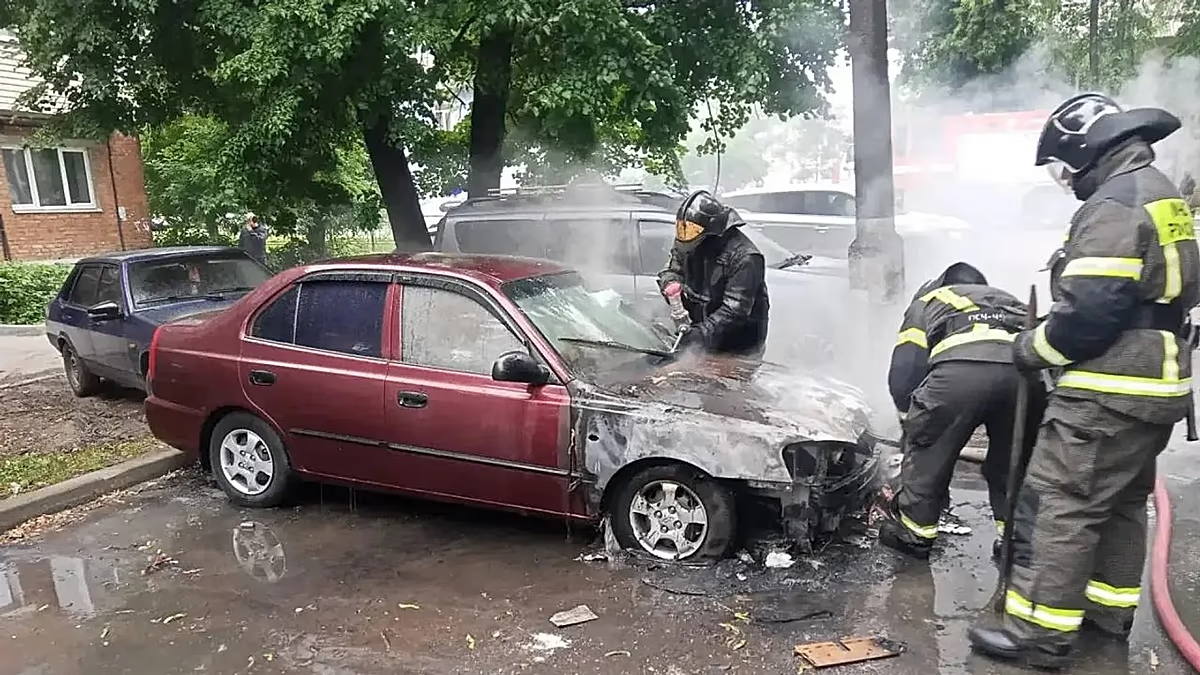
The tensions over this point were rooted in the conflict’s painful history in Lebanon. The country was drawn into the wider war in early March when the Iran-backed Hezbollah group fired rockets into Israel in a show of support for Tehran. What followed was a devastating cycle of violence. Despite a fragile, U.S.-brokered truce nominally being in effect, daily Israeli attacks reportedly claimed thousands of lives. The brutality of the conflict was underscored on that same Thursday, when Lebanese state media reported an Israeli drone strike in the Kfar Tebnit region. The attack targeted a car, killing one person and seriously wounding another—a lethal demonstration of how quickly violence could flare even on the day a peace deal was signed, highlighting the deep-seated mistrust and instant volatility of the situation.
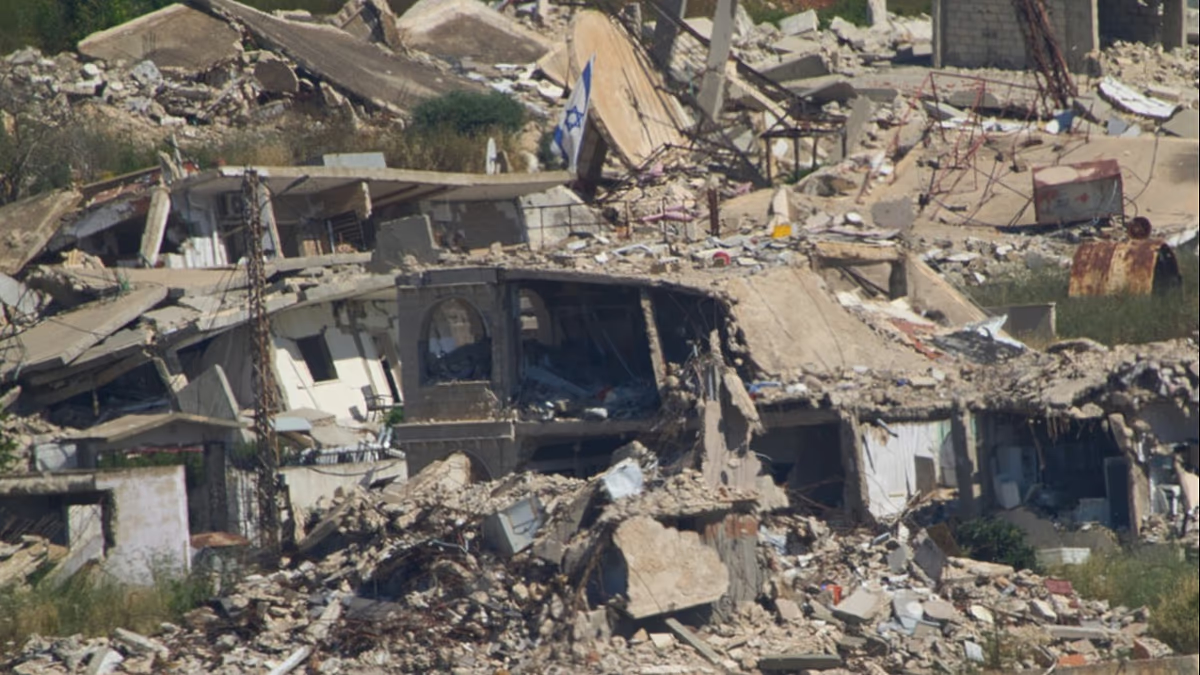
The human cost of the months-long conflict has been catastrophic for Lebanon. Authorities there stated that Israel’s campaign of airstrikes and ground operations had killed more than 3,800 people. In addition to the tragic loss of life, Beirut reported over 10,000 injuries and the internal displacement of more than a million citizens—a staggering number for a small nation. On the Israeli side, the military campaign in Lebanon had resulted in the deaths of 31 soldiers and one civilian contractor since the ground invasion began. These numbers, however dryly reported, sketch the outlines of a profound humanitarian disaster, where ordinary people on both sides of the border have borne the ultimate brunt of the fighting, losing homes, security, and loved ones.
Amid this suffering, international humanitarian organizations have raised urgent alarms. The United Nations repeatedly called for an end to strikes on Lebanon, warning that the violence had exacerbated a dire humanitarian crisis in a country already brought to its knees by years of severe economic collapse, crippling energy shortages, and failing public infrastructure. The conflict poured fuel on an existing fire, pushing an already vulnerable population toward the brink. The displacement of a million people strained nonexistent resources, while damage to vital infrastructure made the delivery of aid and basic services nearly impossible. This layer of chronic national crisis made the acute trauma of war even more lethal and difficult to heal, creating a perfect storm of human suffering.
Thus, the death of a soldier and a civilian on a Thursday in June became a microcosm of a much larger and more complex tragedy. It represented the painful gap between diplomatic signatures on paper and the reality on the ground, where old wounds and deep security fears resist easy resolution. The U.S.-Iran deal offered a glimpse of hope for an end to a wider war, but the immediate fallout in southern Lebanon proved that the road to a sustainable peace would be fraught with challenges. True peace would require not just the cessation of broad hostilities, but also the meticulous and empathetic addressing of legitimate security concerns, the healing of profound communal trauma, and a concerted international effort to rebuild what has been shattered. The lives lost that day are a solemn reminder of what is at stake and the urgent, unfinished work that remains.