




A Compassionate Shift in Addressing Homelessness and Addiction
A significant federal investment of $708 million is being directed toward a more humane and effective approach to combating the intertwined crises of homelessness, addiction, and mental illness in the United States. Announced by Health and Human Services Secretary Xavier Becerra, this funding represents a pivotal shift in policy, moving away from purely punitive or fragmented measures and toward a model of integrated care and compassion. At its heart is the recognition that individuals living unsheltered while battling severe substance use disorders and mental health conditions are not merely public order issues, but people in acute need of medical and social support. This initiative acknowledges that safety and health for the entire community are intrinsically linked to the well-being of its most vulnerable members.
Targeted Street-Based Care for the Most Vulnerable
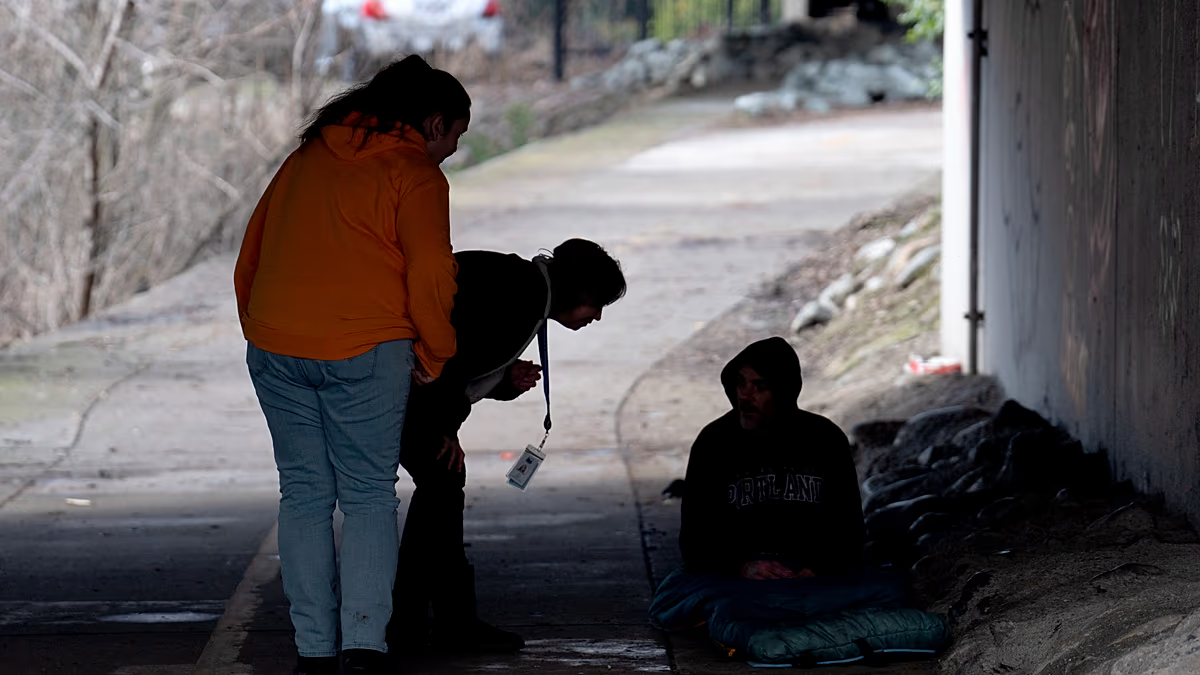
A substantial portion of this funding, $96 million, is earmarked for a highly focused, four-year program targeting eight specific communities. This initiative is designed to deliver rapid, comprehensive care directly to those who need it most: homeless individuals suffering from co-occurring drug and alcohol addiction and serious mental health illnesses. The program’s strategy is street-based and coordinated, meaning outreach teams will engage people where they are, breaking down the formidable barriers that often prevent this population from accessing traditional clinic-based services. By meeting individuals in their own environment, the program aims to build trust and provide immediate pathways to treatment, rather than waiting for crises to occur.
Building a Coalition for Holistic Support
The success of this approach hinges on its collaborative nature. The program explicitly brings together a once-siloed network of local governments, healthcare providers, housing agencies, law enforcement, and courts. This coalition is crucial because it addresses the full spectrum of an individual’s needs simultaneously. A healthcare worker can provide medication, a housing specialist can secure a bed, and a court liaison can help navigate legal obstacles—all working in concert. This model moves beyond temporary stabilization, aiming for lasting recovery by ensuring that treatment for addiction and mental health is seamlessly connected to the foundational need for stable housing and social support, creating a continuum of care rather than a disconnected series of interventions.
Broadening the Safety Net for Nationwide Impact
While the street-based program targets acute needs in specific areas, the larger bulk of the funding—$612 million—is allocated to strengthening the nation’s broader behavioral health infrastructure. This funding will expand access to mental health and addiction treatment for countless Americans, bolster the vital 988 Suicide & Crisis Lifeline, and provide critical support for underserved rural healthcare services. It also aims to improve prevention programs and expand recovery support services, creating a stronger safety net to catch people before they fall into crisis. Importantly, this investment includes targeted resources for children, young people, and Indigenous communities, populations that historically face significant disparities in accessing culturally competent and effective mental health care.
The Underlying Philosophy: Health, Safety, and Human Dignity
The philosophy underpinning this massive investment was succinctly captured by Secretary Becerra, who stated that these funds will “help move people from the streets into treatment and recovery, strengthen families, save lives, and make communities safer.” This statement links human dignity directly to public safety. It proposes that the most profound way to create safer communities is not through marginalization or enforcement alone, but by actively restoring the health and stability of those struggling in plain sight. It frames recovery as a communal benefit, where helping a neighbor overcome addiction and find a home strengthens the entire social fabric.
A Hopeful Step Toward Systemic Change
This $708 million commitment is more than a line item in a budget; it is a signal of a changing ethos in public health policy. It represents a growing consensus that homelessness and addiction are complex health conditions requiring sustained, compassionate, and integrated solutions. By funding both immediate, hands-on interventions for those in the deepest crisis and reinforcing the wider system for all, this initiative offers a dual-path strategy for meaningful change. While the challenges are immense, this investment provides essential tools and a renewed sense of hope, affirming the belief that with the right support, recovery is possible, and that every individual deserves a pathway toward health, home, and community.