



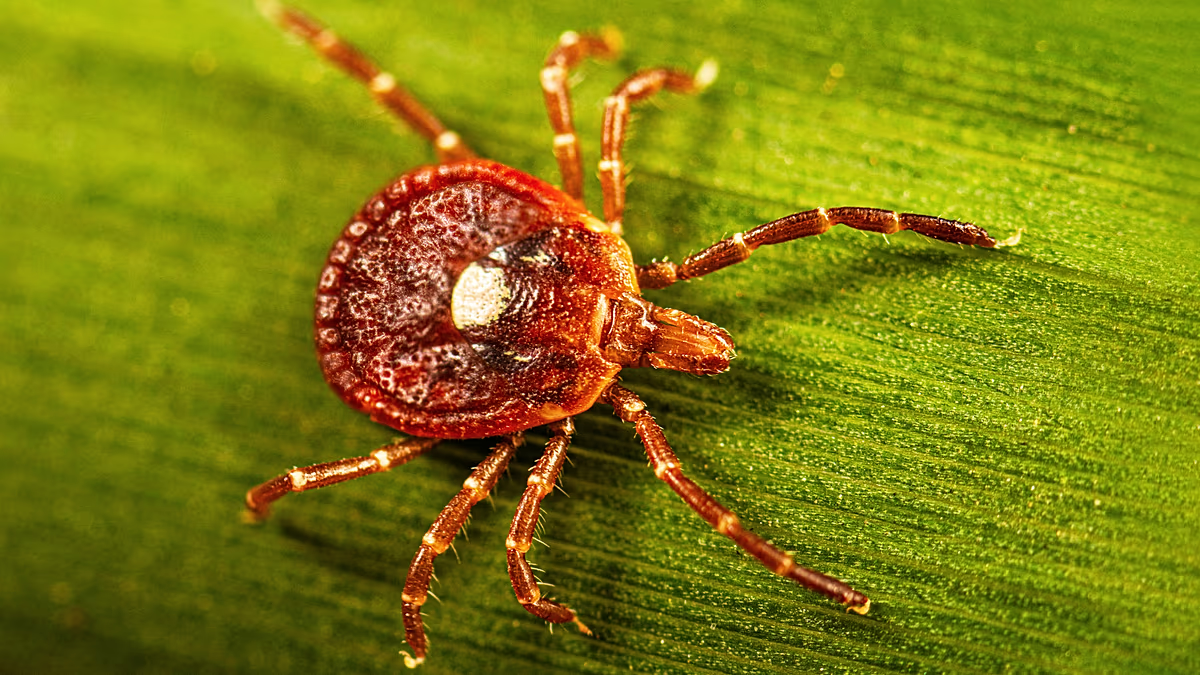
Of the many dangers posed by ticks, Lyme disease and encephalitis are the most widely recognized. Yet these small arachnids are also responsible for a lesser-known and peculiarly delayed threat: alpha-gal syndrome, a potentially life-threatening allergy to red meat. This condition, first scientifically linked to tick bites around fifteen years ago, is increasingly being diagnosed as public and medical awareness grows. Unlike other food allergies, alpha-gal syndrome does not involve seafood, poultry, or eggs; its trigger is the meat of mammals—beef, pork, lamb—and sometimes dairy products. The rising reports of this syndrome are painting a more complex picture of the long-term health consequences a single tick bite can inflict.
The mechanism of alpha-gal syndrome is unique. It is not caused by a living pathogen like a bacteria or virus, but by a sugar molecule. This sugar, galactose-alpha-1,3-galactose (alpha-gal for short), is found in the flesh of most mammals but is notably absent in humans and other primates. When introduced through the digestive tract via a meal, it is harmless. The problem arises when the sugar is injected directly into the bloodstream through the saliva of certain tick species during a bite. This unconventional route tricks the human immune system into perceiving alpha-gal as a grave threat. As researcher Dr. Scott Commins explains, “The skin is a fantastic way to make an allergic response. If this all happened orally… we wouldn’t become allergic.” The body then produces specific antibodies (IgE) designed to attack this foreign sugar. Thereafter, when a person consumes red meat, these antibodies launch an allergic assault.
Identifying alpha-gal syndrome is notoriously tricky due to its delayed reaction. Symptoms typically do not appear until two to six hours after eating red meat, often waking individuals in the middle of the night with severe discomfort. This lag makes it extremely difficult for patients and doctors to connect the reaction to its cause. Clinical immunologist Marianne van Hage notes this delay complicates diagnosis, as people don’t associate a dinner with a nighttime medical crisis. The symptoms themselves range from distressing to dangerous: widespread hives and itching, severe gastrointestinal upset like bloating and cramps, and in the worst cases, anaphylaxis—a rapid-onset reaction involving swelling, difficulty breathing, and shock that requires immediate emergency care.
The apparent increase in alpha-gal syndrome diagnoses is a combination of genuine spread and heightened recognition. Experts like Columbia University’s Maria Diuk-Wasser believe greater awareness among both healthcare providers and the public is leading more people to seek answers for mysterious allergic reactions. However, a biological expansion is also at play. In North America, the primary culprit is the Lone Star tick, whose habitat range is growing. In Europe, the sheep tick (Ixodes ricinus) is also associated with the syndrome, though less frequently. As these ticks move into new regions, potentially driven by climate change and wildlife migration, the population at risk expands accordingly.
Diagnosis involves a specific blood test that detects IgE antibodies to alpha-gal. However, Dr. Commins cautions that this test alone is not definitive, as false positives can occur. A confirmed diagnosis requires both the presence of the antibodies and a clear history of allergic symptoms following mammalian meat consumption. For those diagnosed, the primary treatment is strict avoidance of red meat and, in some cases, dairy and mammalian by-products like gelatin. There is a note of hope: in about 15-20% of patients, the allergy can fade over several years if no further tick bites occur. This underscores the critical importance of vigilant tick prevention—using repellents, performing thorough checks after being outdoors, and promptly removing any ticks—to both prevent the initial syndrome and avoid reigniting the immune response.
In summary, alpha-gal syndrome represents a profound and unexpected intersection of our environment, our diet, and our immune system. It transforms a common food into a latent hazard through the medium of a tick’s bite. Its delayed and severe symptoms pose a significant diagnostic challenge, while its management requires a lifelong alteration in diet and a renewed focus on prevention. As research continues and tick habitats evolve, understanding this syndrome is crucial for public health, reminding us that our relationship with the natural world can have surprising and profound effects on our biology.