

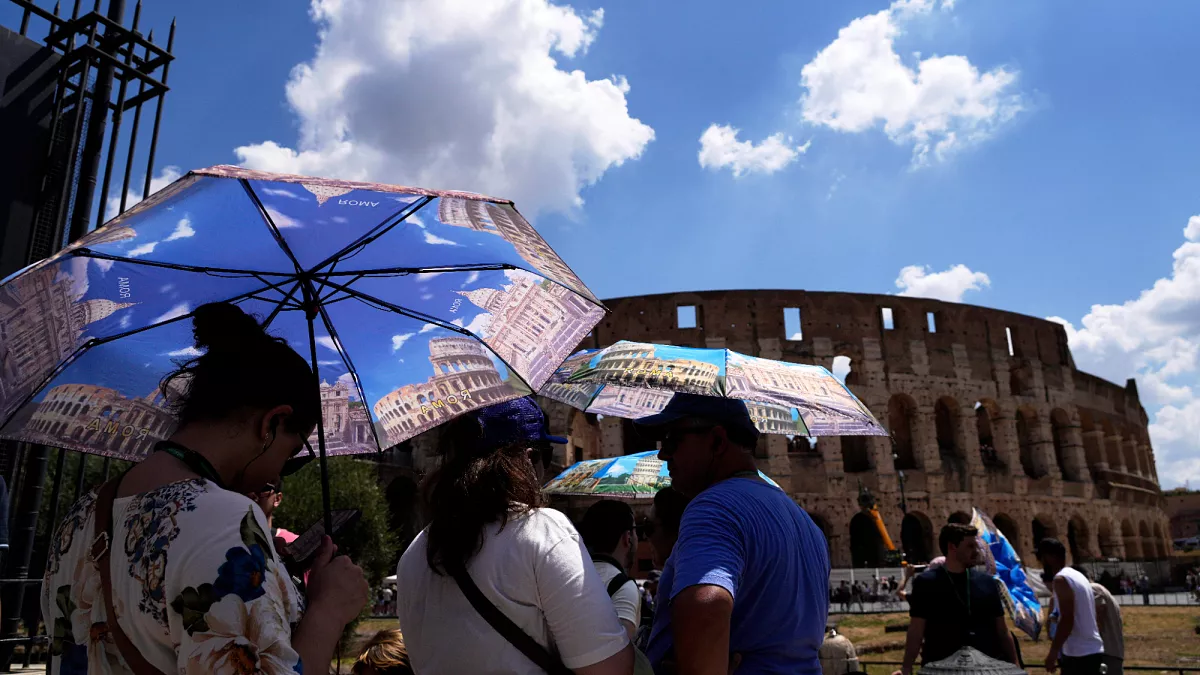
The human toll of rising global temperatures is no longer a distant forecast but a grim and present reality. Each year, extreme heat triggers a devastating wave of illnesses and premature deaths worldwide, a silent emergency that disproportionately claims the most vulnerable lives. In Europe alone, a staggering 200,000 deaths over the past four years have been linked to heat, with the World Health Organization’s Europe director, Hans Kluge, stressing that nearly all were preventable. He frames this crisis with chilling clarity: “The impacts of climate change are a clear and present danger, and its most immediate and lethal manifestation is extreme heat.” What was once considered a rare meteorological anomaly has transformed into a recurrent, systemic threat. Heatwaves now function as recurring crises that inflict widespread suffering, overwhelm health systems, and fracture the very infrastructure of our societies, signaling that we are already living within the consequences of a warming planet.
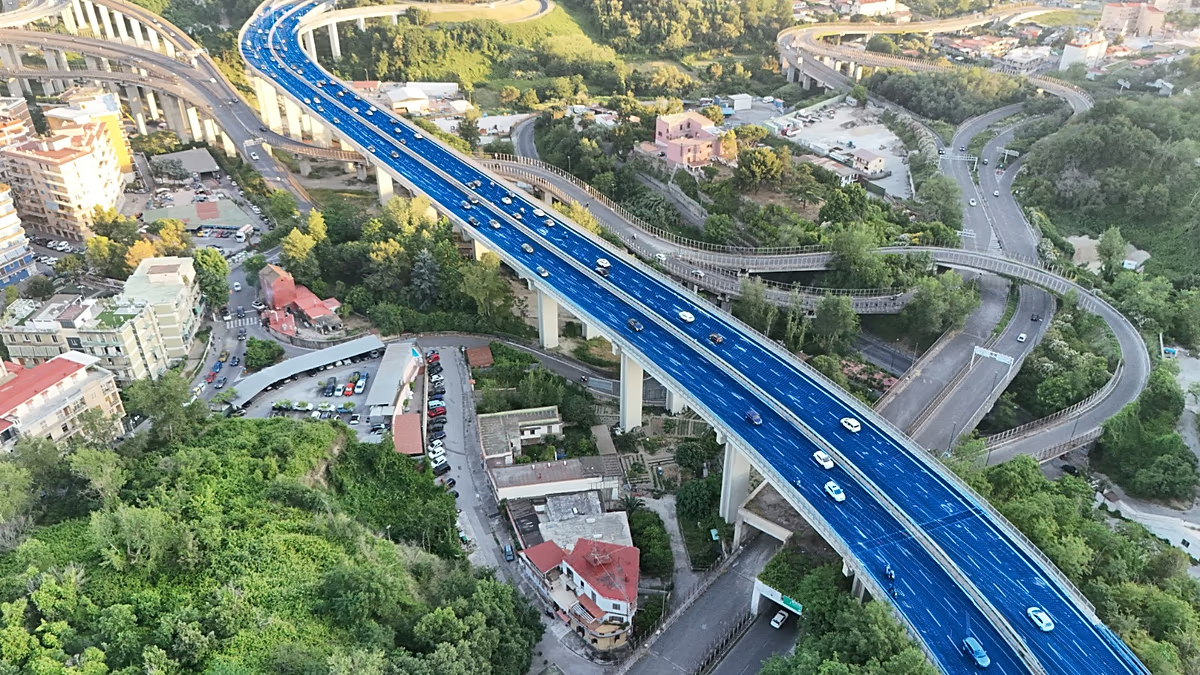
The European continent, warming faster than many global regions, serves as a stark case study. Nations like Italy, Spain, Germany, and Greece have recorded the highest numbers of these preventable deaths, with Greece suffering the most severe impact per capita. This tragedy is not born of a single cause but from a dangerous convergence of trends: relentlessly rising global temperatures, rapid urbanization that creates dense “heat islands,” and demographic ageing. These forces amplify both exposure to heat and societal vulnerability, creating a burden of illness and death that is profoundly unequal. As Germany’s Federal Environment Minister, Carsten Schneider, poignantly noted, protection from heat is a deeply social issue. Those living in overheated apartments in concrete-covered urban districts, without access to gardens, swimming pools, or adequate cooling, possess few defenses against the lethal onslaught of a heatwave, highlighting how socioeconomic status becomes a matter of life and death.
Recognizing the scale of this systemic crisis, the World Health Organization has issued updated, vital guidance for nations and communities. Its newly published Heat–Health Action Plans provide a comprehensive blueprint for coordinated response and prevention. “Put simply, heat–health action plans save lives,” Kluge asserts. These plans move far beyond individual advisories to establish a framework for societal resilience. The recommendations are multifaceted and actionable, ranging from large-scale urban planning—such as greening cities to create shade and cool spaces—to granular community safeguards. This includes establishing networks of public cooling centers, deploying social services to check on and hydrate isolated older adults, and training educators and childcare workers to recognize the early signs of heatstroke. This updated guidance, building on foundations laid since 2008, integrates the latest science and practical lessons to offer a holistic defense.
However, the implementation of these plans reveals a critical tension between individual responsibility and collective action. While personal measures like staying indoors during peak heat, using fans, and keeping homes cool are essential and lifesaving, they are fundamentally insufficient against a crisis of this magnitude. Kluge emphasizes this point: individual actions, though crucial, cannot substitute for systemic change. A person living in an energy-inefficient home cannot simply “choose” to cool it; a low-income worker may have no option but to labor in dangerous conditions. Effective heat protection therefore requires governance that treats extreme heat with the same urgency and coordination as a natural disaster. It demands investment in social services, urban redesign, and labor protections to ensure that the right to safety from heat is not contingent on personal wealth.
Ultimately, the fight against deadly heat is a profound test of our solidarity and foresight. The WHO’s guidance provides the necessary tools, but their power lies in adoption and adaptation by local and national governments. It calls for reimagining our cities as greener, shadier refuges; for strengthening the social fabric to protect isolated individuals; and for treating heatwaves with the proactive, coordinated response they demand. The data leaves no room for ambiguity: heat is a mass killer, and its victims are overwhelmingly those already marginalized by age, poverty, or circumstance. To ignore this is to accept a future of escalating, preventable loss. The time for planning has passed; the era of urgent, equitable implementation is now. Our collective response will define not only our resilience but our fundamental humanity in the face of a climate crisis that shows no mercy.