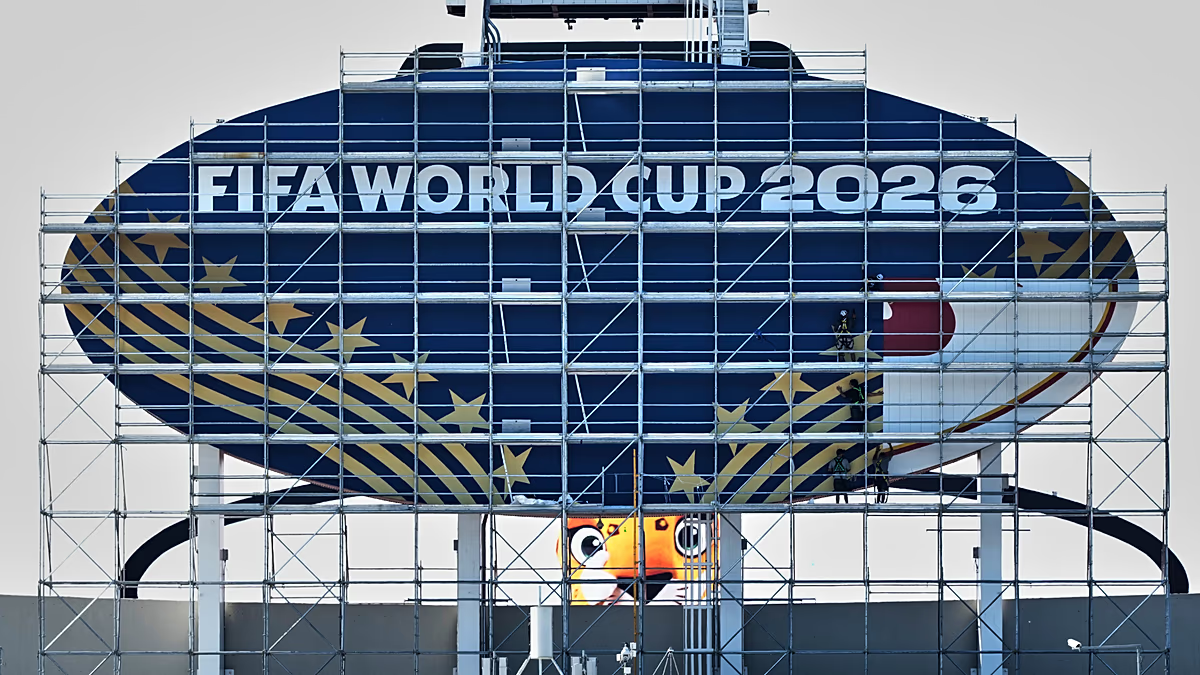



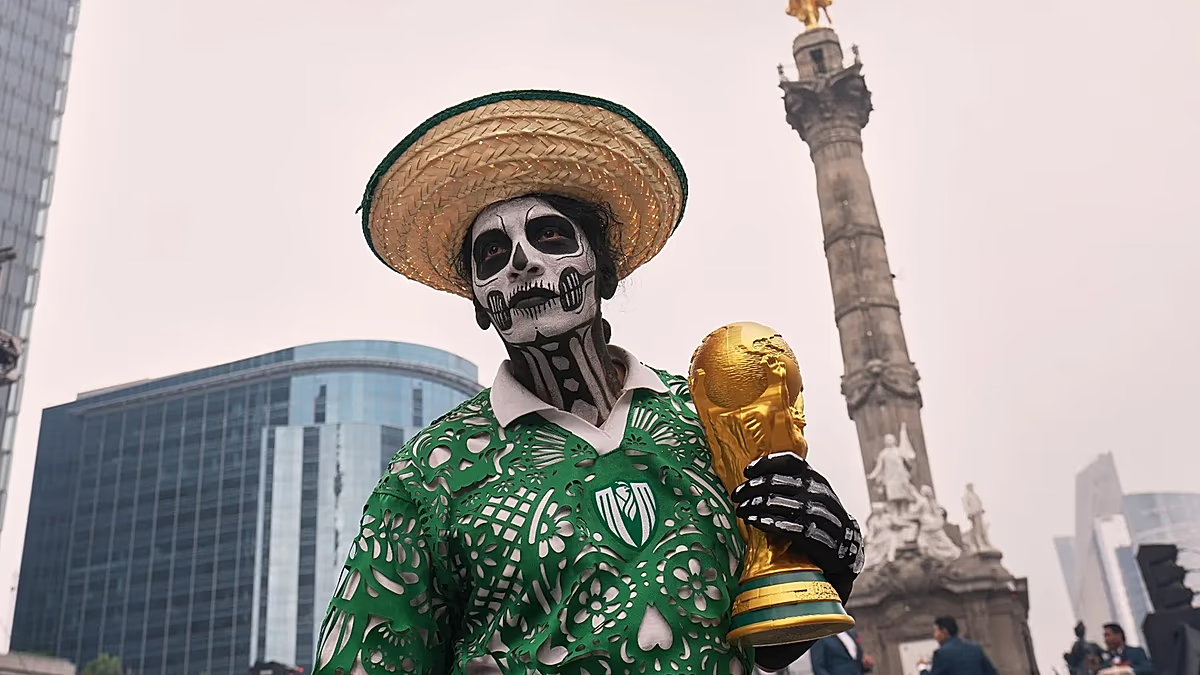
The 2026 FIFA World Cup, set to begin with a captivating opener between co-hosts Mexico and 2010 hosts South Africa, represents a tournament of grand ambition and significant growing pains. This edition, the first to feature 48 nations, will see a record 1,248 players contest 104 matches across a sprawling landscape of 16 host cities in Canada, Mexico, and the United States. From the historic Estadio Azteca in Mexico City to the gleaming MetLife Stadium in New Jersey—chosen for the final—the tournament is a true continental celebration. Its expanded format welcomes debutants like Cabo Verde, Curaçao, Jordan, and a promising Uzbekistan side coached by Italian legend Fabio Cannavaro, offering a fresh narrative of global inclusion. Yet, this scale also introduces unprecedented complexity, setting the stage for a World Cup that promises dazzling football alongside considerable logistical and ethical challenges.
The tournament squads themselves paint a picture of football’s interconnected modern era, with players drawn from 449 clubs across 71 countries. The field showcases a thrilling generational shift, headlined by Spain’s 18-year-old sensation Lamine Yamal, who arrives already a European champion. He is joined by other teenage talents like Mexico’s Gilberto Mora (17), while enduring legends like Portugal’s 41-year-old Cristiano Ronaldo and Scotland’s 43-year-old goalkeeper Craig Gordon defy time, adding a layer of poignant nostalgia. This blend of youthful exuberance and veteran savvy underpins the competitive narrative, as nations prepare for a grueling campaign across three massive countries.
On the pitch, the battle for supremacy is fiercely contested. Reigning European champions Spain, despite concerns over minor injuries to stars like Yamal and Nico Williams, enter as slight favourites, buoyed by their Euro 2024 triumph and immense depth. They are closely pursued by a resolute France, eager to avenge their 2022 final loss to Argentina and powered by a phenomenal generation including Kylian Mbappé and Ballon d’Or winner Ousmane Dembélé. Lionel Messi’s Argentina aims for a triumphant repeat, while traditional powerhouses like Brazil, Germany, and a talented England side under Thomas Tuchel all harbor legitimate dreams of lifting the trophy. The expanded format ensures a longer, more demanding path to glory, where squad depth and tactical adaptability will be paramount.
However, the build-up to the tournament has been marred by controversies that threaten to overshadow the sport. Significant issues with border controls and visa denials have caused unjust disruption, most notably for the Iranian national team, which was initially forced to base itself in Mexico, and for Swiss striker Breel Embolo. More distressingly, top Somali referee Omar Artan was denied entry into the United States and sent home, a decision that deprived a match official of his career pinnacle and sparked international outcry. These incidents, alongside reports of selective extra security screening for teams like Uzbekistan, have cast a shadow, raising uncomfortable questions about inclusivity and the balance between security and hospitality for a global event.
Compounding these frustrations for fans is the staggering cost of attendance. FIFA’s ticket pricing, with group stage seats starting at $140 and finals tickets reaching nearly $9,000, has been widely criticized as exclusionary. Although a limited number of $60 tickets were later released, the overall model has been branded the most expensive in World Cup history. Football Supporters Europe estimated a fan’s total cost to follow a team to the final could approach $7,000—a fivefold increase from 2022. Facing this backlash, FIFA President Gianni Infantino defended the prices as necessary for reinvestment into football, but this stance has done little to mollify supporters and legends like Ian Wright, who lamented the transformation of a fans’ festival into a “World Cup of chaos” defined by financial barriers.
As the opening whistle blows, the 2026 World Cup thus stands at a crossroads. It is a historic, celebratory expedition into football’s future, showcasing more nations and stars than ever before across iconic North American venues. Yet, it is simultaneously a cautionary tale about the perils of over-commercialization and the delicate task of managing a global spectacle in a complex geopolitical climate. The hope is that once the games begin, the pure, unifying passion of the sport will rise above the pre-tournament discord. The world will be watching, eager for a festival of football, but also mindful of the lessons this unprecedented edition must teach about accessibility, fairness, and the true spirit of the beautiful game.