

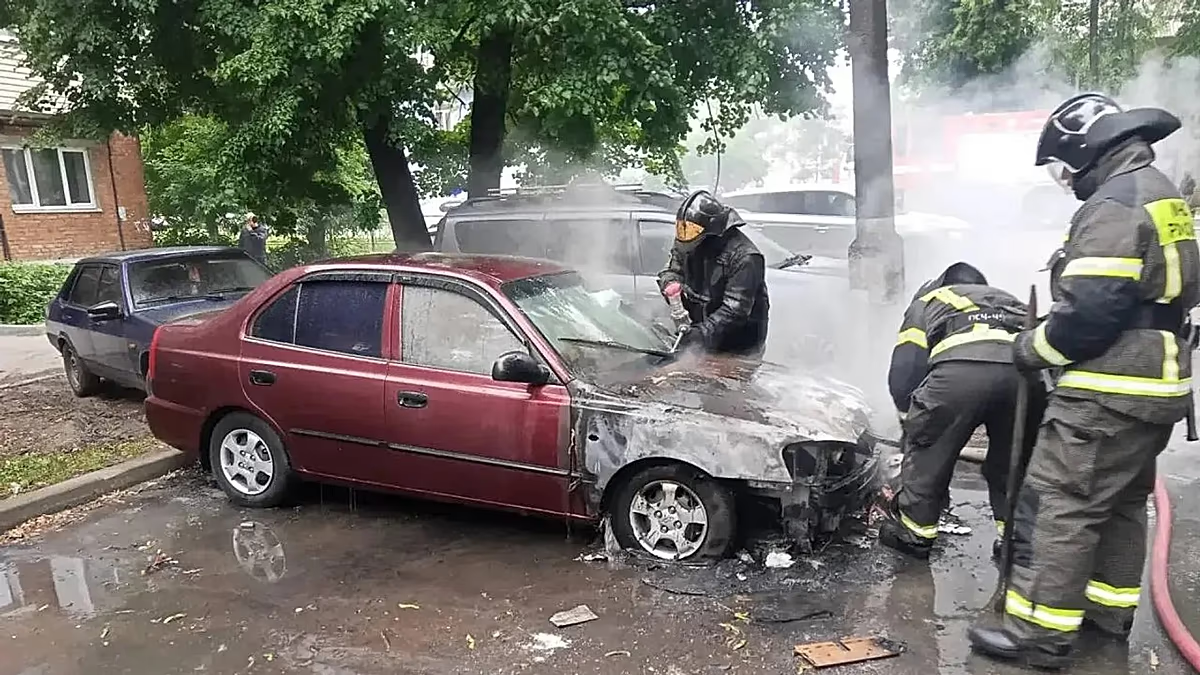
On a tense Thursday morning, Moscow’s skyline was once again shattered by the sound of air defenses as Ukraine launched one of its largest drone attacks to date on the Russian capital. According to Moscow Mayor Sergey Sobyanin, the assault involved 180 unmanned aerial vehicles (UAVs), the majority of which were intercepted before reaching their targets. However, several drones evaded the city’s defenses, striking an oil refinery and igniting a significant blaze captured in dramatic footage that quickly spread across social media. The attack also caused collateral damage across the region, with debris sparking a fire at a shopping center and another drone hitting an apartment building in the town of Zhukovsky. These strikes represent a continuation of a calculated Ukrainian strategy to bring the realities of the conflict deep into Russian territory, directly challenging the notion of safety far from the front lines.
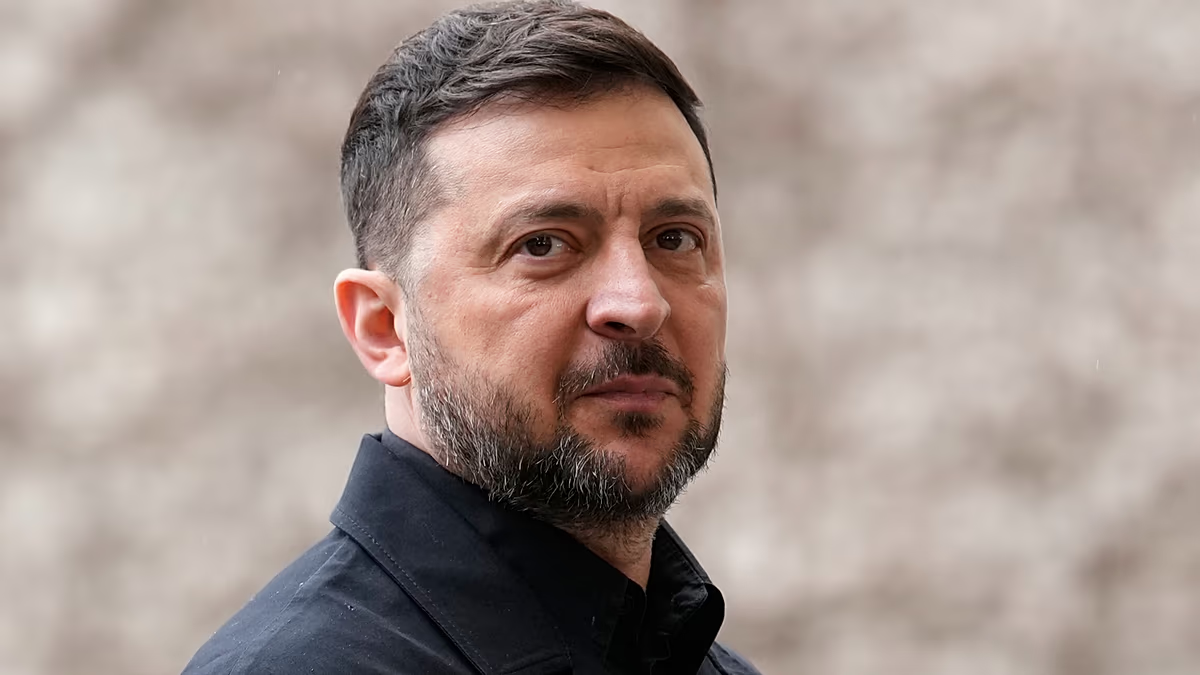
The targeted refinery had been hit earlier in the week, underscoring the relentless and precise nature of Kyiv’s campaign against Russia’s energy infrastructure. Ukrainian President Volodymyr Zelenskyy openly confirmed the operation on social media, sharing video evidence of the aftermath and stating that additional targets in the Rostov region and occupied Ukrainian territories were also struck. This public acknowledgment marks a shift in Kyiv’s posture, framing these deep strikes not as random acts of war but as a deliberate policy of “long-range sanctions.” In recent months, Ukraine has systematically intensified assaults on oil refineries, terminals, and storage depots, aiming to cripple a sector vital to both Russia’s wartime economy and its national revenue, demonstrating a strategic effort to diminish Moscow’s capacity to fund its invasion.
This Ukrainian offensive, however, exists within a grim cycle of mutual retaliation. Just the night before the Moscow drone wave, Russian forces conducted their own strikes against Ukrainian energy infrastructure, targeting facilities in the central Poltava region. These attacks left at least one person injured and continued a brutal pattern of attrition against Ukraine’s power grid, which has suffered devastating damage since the war began. President Zelenskyy provided staggering figures, noting that in just the previous week, Russia had launched nearly 2,000 attack drones, over 1,700 guided bombs, and 17 missiles against his country. This relentless bombardment highlights the asymmetrical scale of the air war, with Ukraine leveraging ingenuity and drones to strike back at strategic Russian assets while enduring a daily barrage on its own cities and critical civilian systems.
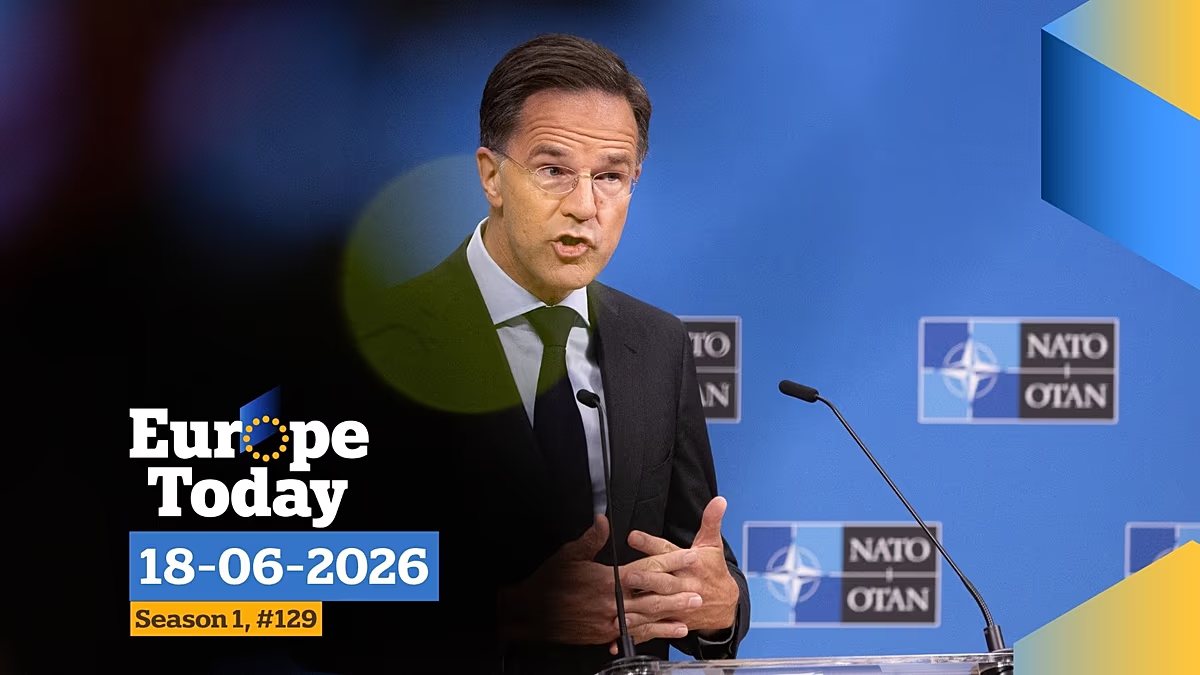
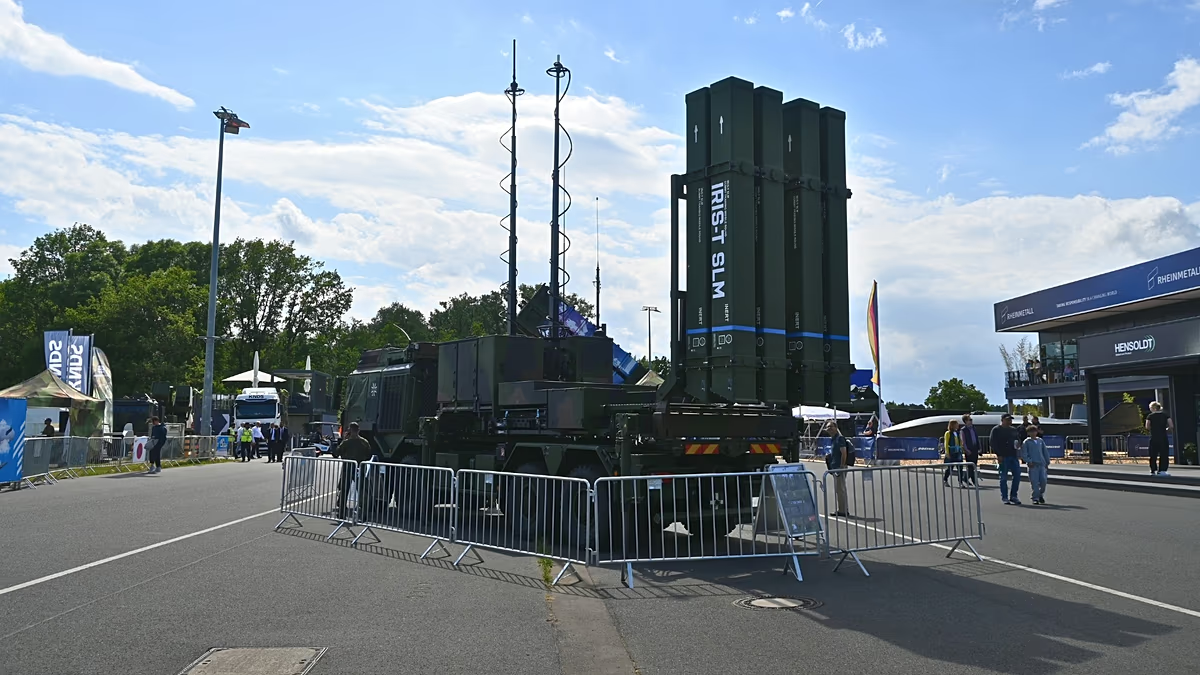
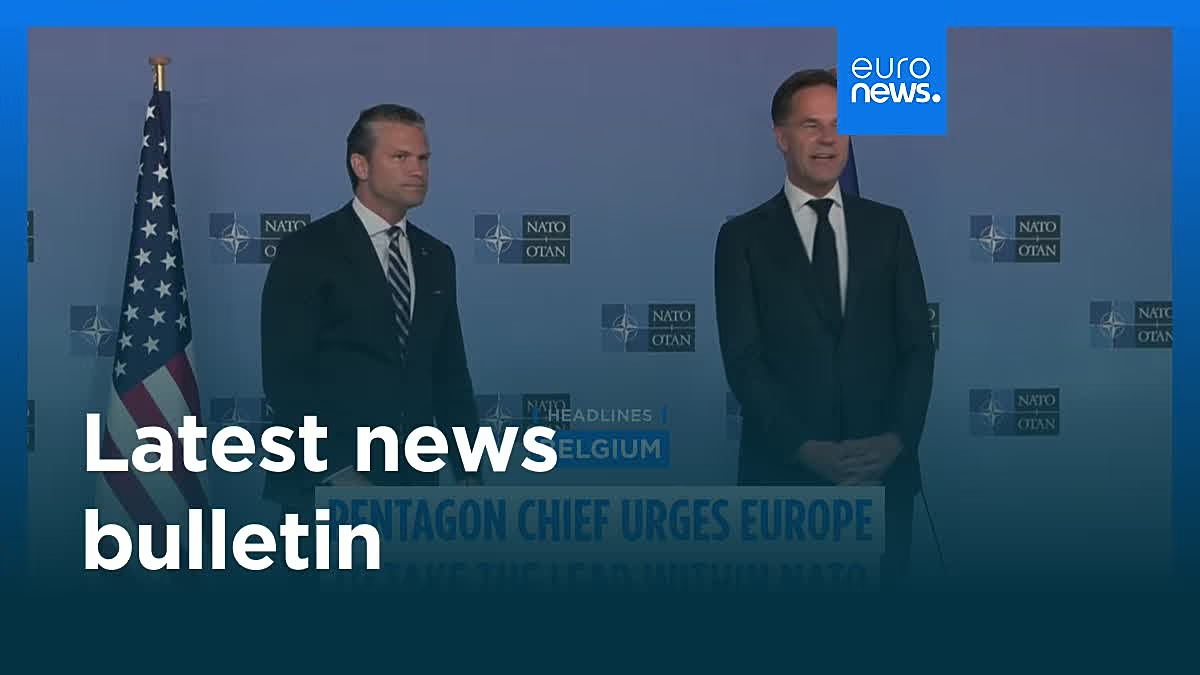
Amidst this escalating exchange of long-range strikes, President Zelenskyy was engaged in a critical diplomatic mission in Brussels, meeting with NATO Secretary General Mark Rutte. Their discussions centered on the NATO Prioritised Ukraine Requirements List (PURL), a vital mechanism designed to accelerate and streamline the procurement of essential military supplies for Kyiv. This meeting followed Zelenskyy’s participation in G7 leader talks in France, where he urgently appealed for enhanced air defense systems and stronger collective measures to pressure the Kremlin. The G7 summit concluded with promises to further strengthen Ukraine’s air defenses, a commitment that is becoming increasingly urgent as Russian aerial attacks grow in intensity and frequency, threatening to overwhelm Ukraine’s current protective capabilities.
While Zelenskyy rallied support in Europe, Russian President Vladimir Putin was hosting a different kind of gathering, welcoming leaders from Southeast Asia to an ASEAN-Russia summit in the city of Kazan. Attendees from nations like Cambodia, Thailand, Vietnam, and Singapore engaged in talks focused on forging stronger strategic partnerships and exploring new avenues for political, economic, and humanitarian cooperation. This summit serves as a clear demonstration of Russia’s efforts to break its international isolation, cultivate alternative alliances, and project an image of global engagement and normalcy despite the ongoing war and extensive Western sanctions. The parallel diplomatic tracks—one seeking security integration with the West, the other fostering ties in the East—illustrate the broader geopolitical divide solidified by the conflict.
The events of this period paint a picture of a war that is simultaneously intensifying on the ground and expanding in its dimensions. Ukraine’s successful drone campaigns against Moscow’s refineries prove its ability to project force and impose tangible economic costs on Russia, altering the psychological landscape of the war. Yet, this comes at a moment of extreme vulnerability for Ukrainian civilians and infrastructure under constant Russian fire. The immediate future hinges on the translation of Western diplomatic promises into the rapid delivery of advanced air defense systems, artillery shells, and long-range munitions that Ukraine desperately needs. As both nations pursue their military and diplomatic strategies, the conflict continues to evolve into a protracted war of endurance, innovation, and competing global alliances, with its ultimate trajectory still uncertain.