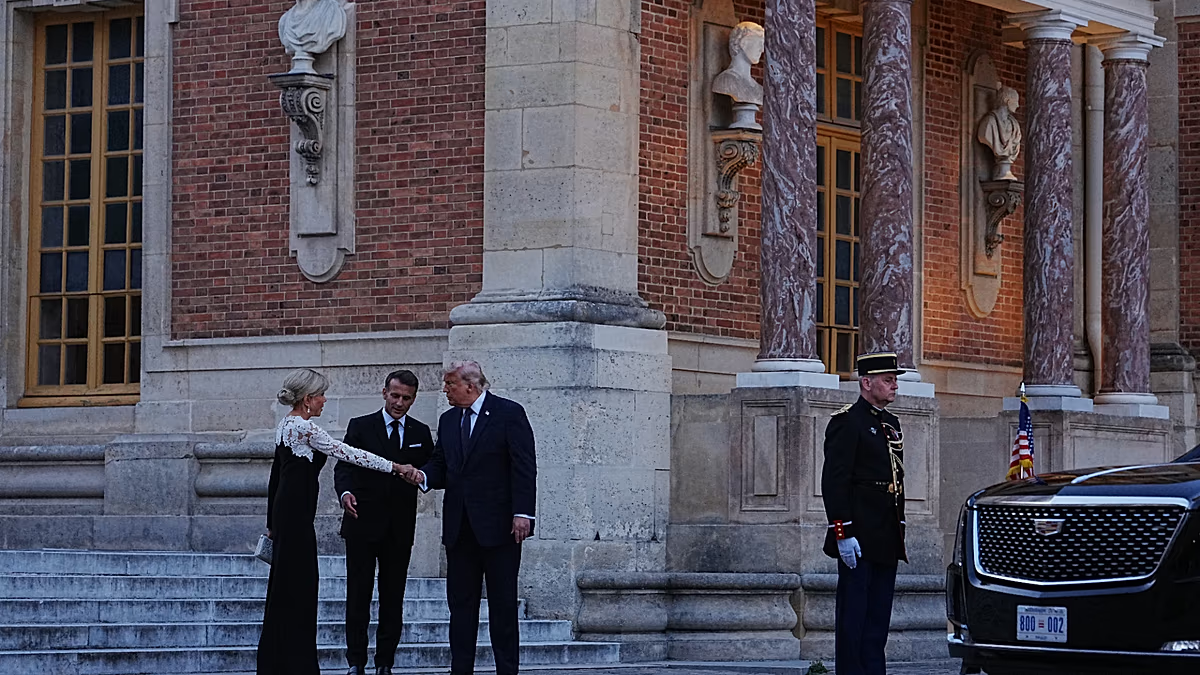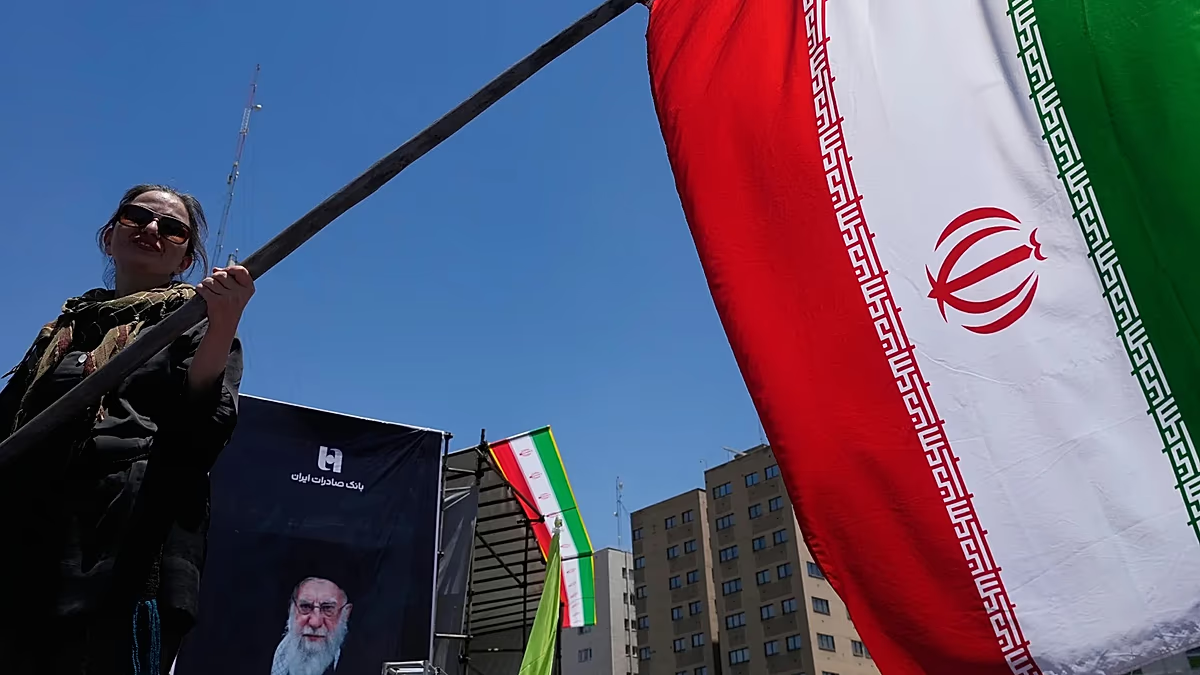



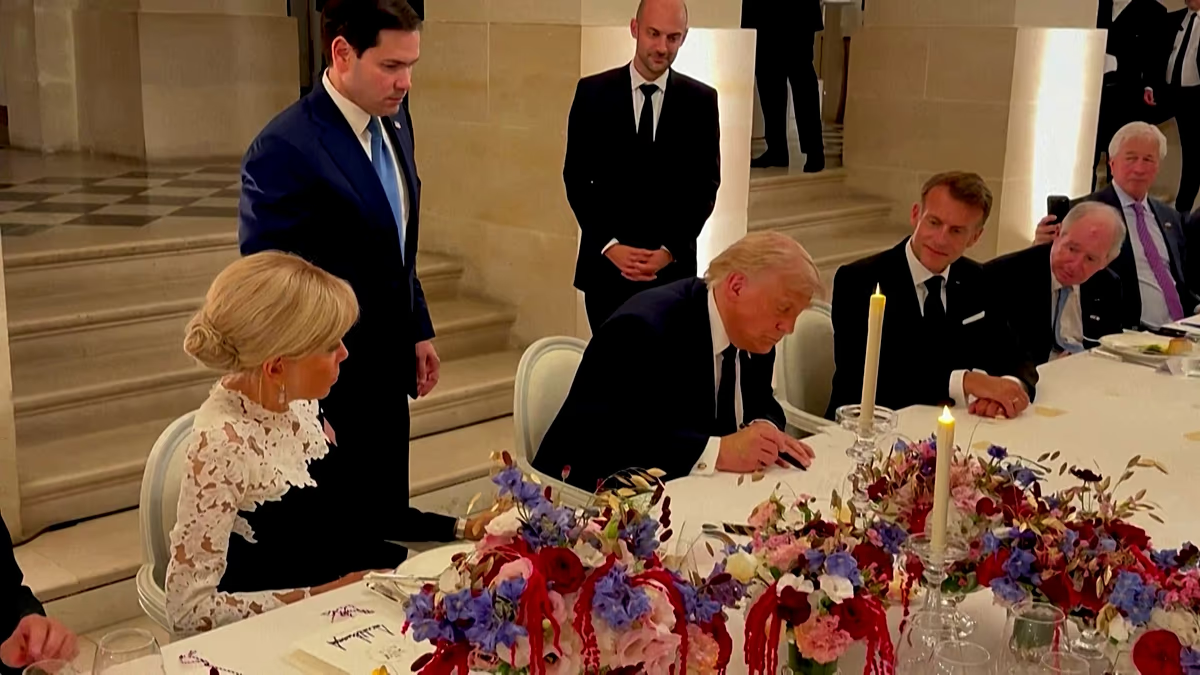
In the wake of the recent G7 summit, French President Emmanuel Macron hosted a pivotal ceremony in Paris, underscoring France’s longstanding diplomatic commitment to fostering dialogue on the world’s most challenging issues. This event was not merely procedural; it represented a deliberate and hopeful effort to bridge one of the most enduring and dangerous divides in international relations. By providing a neutral and respected platform, France facilitated a critical first step between long-estranged parties, aiming to transform a landscape marred by suspicion into one where conversation and compromise become possible. This initiative reflects a broader European desire to champion diplomacy over conflict, positioning stability and dialogue as paramount global goods.
The agreement, which took immediate effect, initiates a carefully structured 60-day negotiation process. A formal follow-up ceremony is already scheduled in Switzerland for June 19th, ensuring the momentum from this initial breakthrough is not lost. According to officials involved, the core objective of this initiative is twofold: to directly reduce acute tensions in a volatile region and, by extension, to support stability within global energy markets. The linkage between regional peace and worldwide economic security is explicitly acknowledged, framing the talks as being of urgent international concern. This structured timeline creates a tangible window for progress, moving beyond vague promises to a defined period of intense diplomatic engagement where tangible results are expected.
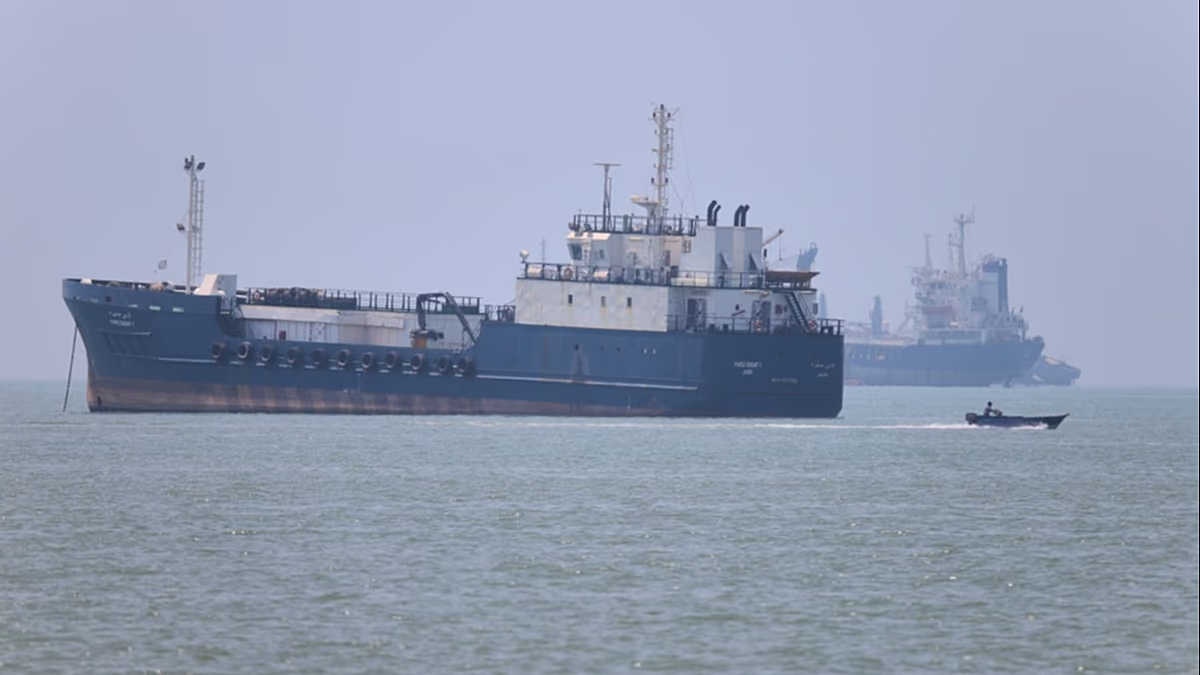
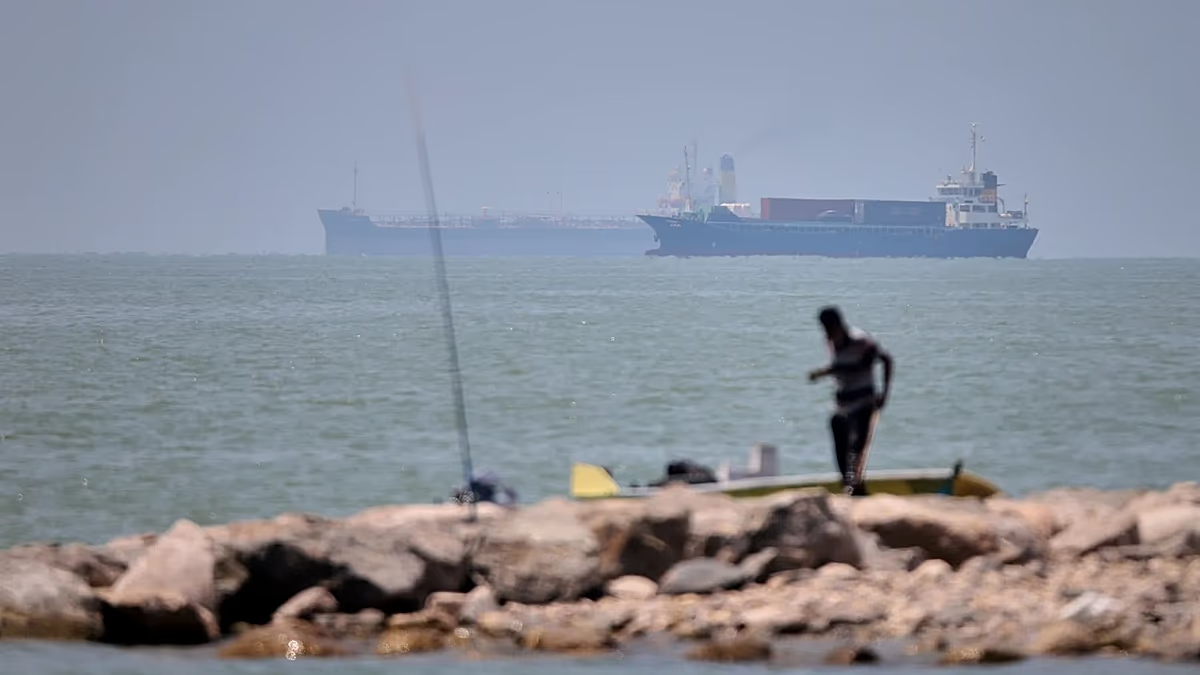
As immediate confidence-building measures, the memorandum outlines two significant, actionable steps. Firstly, it provides for the reopening of the Strait of Hormuz, a vital maritime corridor for global oil shipments whose security has been a persistent flashpoint. Secondly, it initiates the lifting of a US naval blockade in the area. In parallel, Iran has agreed to place its existing stockpile of enriched uranium under the supervision of the United Nations. These initial actions are designed as a mutual de-escalation: one side eases military and economic pressure, while the other accepts enhanced oversight on a key security concern. However, the more complex and longstanding issues—namely, the future of Iran’s nuclear program and the intricate web of international sanctions—are intentionally reserved for the comprehensive negotiations to follow in the coming weeks.
The potential rewards for success in these negotiations are historically significant. Officials suggest that a final, comprehensive agreement could pave the way for the establishment of a reconstruction fund worth up to $300 billion, aimed at revitalizing Iran’s economy after years of isolation. Furthermore, it would allow Iran to fully resume its oil exports, reintegrating a major producer into the global energy supply. This prospect is not just about economics; it is about offering a peaceful, prosperous alternative path to a nation that has been largely shut out of the international community, providing a tangible incentive for full compliance and lasting cooperation.
The immediate reaction from global financial markets underscored the world’s stake in this diplomatic endeavor. Upon the announcement, Brent crude oil prices fell by 2.1 percent to $77.87 a barrel, a direct reflection of investor anticipation of improved energy supplies and a reduction in the geopolitical risk premium that has long buoyed prices. This market response is a clear, quantifiable signal of how deeply intertwined global stability and economic security truly are. It translates high-stakes diplomacy into a language of immediate practical consequence, affecting everything from inflation rates to the cost of goods for ordinary people worldwide, thereby highlighting the profound human impact of such political agreements.
In conclusion, the Paris ceremony, hosted under President Macron’s stewardship, has opened a fragile but crucial window of opportunity. By coupling immediate, reciprocal confidence-building measures with a clear roadmap for addressing deeper disagreements, the framework seeks to build trust through action. While the path ahead in the 60-day negotiation period remains fraught with challenge, the potential outcomes—from regional de-escalation and nuclear oversight to economic reconstruction and global market stability—are profound. The world now watches, hoping that this initial act of dialogue can evolve into a lasting testament to the power of diplomacy over discord, ultimately contributing to a more secure and prosperous future for all parties involved.