

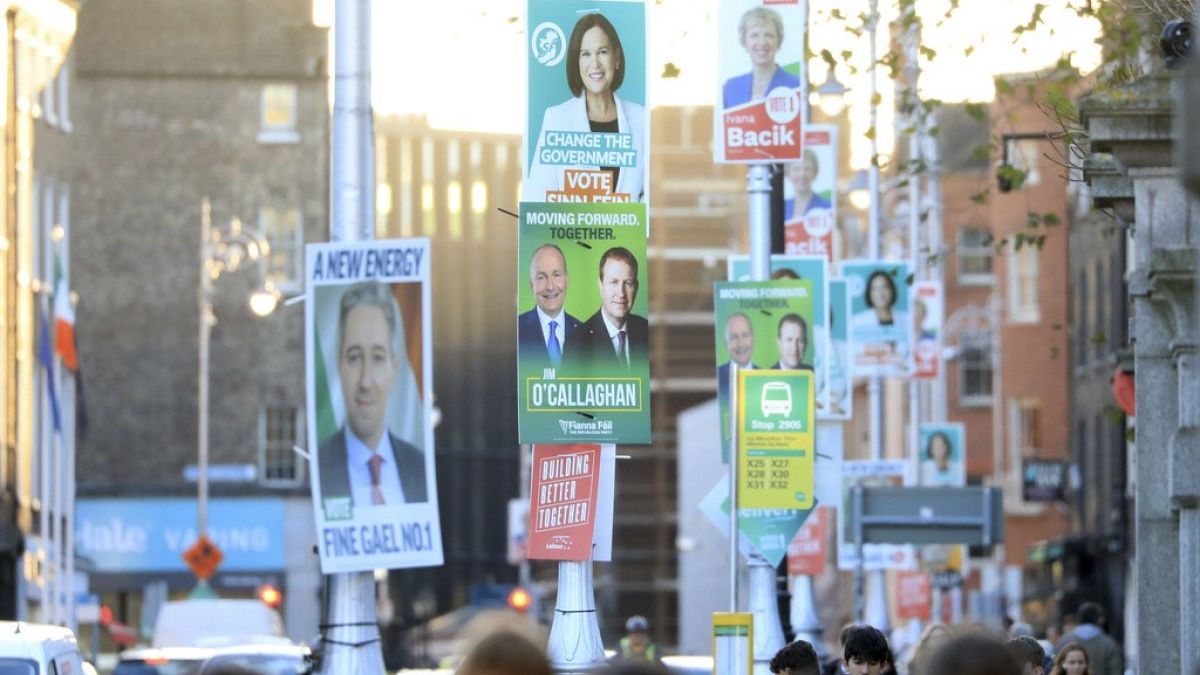
Ireland stands apart from many of its European counterparts with its robust financial position heading into a general election, amidst a backdrop of historically low unemployment and decreasing inflation. However, the reality for many citizens is far different, as high costs continue to burden households and deep-seated structural issues, particularly in housing and healthcare, remain unresolved. As voters prepare to cast their ballots for political leaders, including incumbent Taoiseach Simon Harris of Fine Gael and opponents Michéal Martin of Fianna Fáil and Mary Lou McDonald of Sinn Féin, challenges abound in aligning economic pledges with the need for fiscal prudence.
The financial prosperity of Ireland can be largely attributed to its longstanding strategy of attracting multinational corporations through a favorable corporate tax rate, which, while increased recently, was once set at a mere 12.5%. This strategy has turned Ireland into a hub for global enterprises, significantly boosting corporation tax revenues from €7 billion in 2015 to estimates between €23 and €24 billion today. Notably, a recent European Court of Justice ruling mandated Apple to pay Ireland €13 billion in back taxes, further exemplifying the country’s financial windfall. Despite these apparent successes, the Irish economy faces underlying challenges that could jeopardize its stability and sustainability in the future.
Economists have urged that, despite the current budget surplus, Ireland should exercise caution in its fiscal policies. Reasons for this prudence include the volatile nature of tax revenue, which relies heavily on a few major companies, potentially leaving the government vulnerable to economic fluctuations. The Irish Fiscal Advisory Council (IFAC) emphasizes that the government has overspent in an economic landscape characterized by near-full employment, undermining previously established spending rules. Furthermore, increased government stimulus in the form of tax cuts may inadvertently fuel inflation, exacerbating the very affordability crisis affecting everyday citizens.
As the government moves to allocate a generous €9.1 billion budget for the upcoming fiscal year, criticisms arise that such spending replicates the mistakes of the past—the heavy pumping of funds during the Celtic Tiger era, followed by a catastrophic economic crash when external factors led to diminished foreign investment and an unstable housing market. In recent discussions, political leaders, including Harris, Martin, and McDonald, have acknowledged the scars of the financial crash and the importance of learning from that painful history. This reflection highlights the need for civil discourse around fiscal responsibility amidst rising populism, especially as parties like Sinn Féin present ambitious spending plans that may appeal to a public frustrated by slow progress on key issues.
The current political climate sees all major parties banking heavily on the continuation of favorable multinational tax receipts, raising concerns about the sustainability of this financial model. With looming uncertainties such as changes in U.S. tax policies under another Trump administration and potential tariffs on Irish exports, the need for a diverse and stable economy becomes even more pressing. The political landscape is becoming increasingly complicated as leaders confront the pressures to deliver attractive spending promises while recognizing the necessity of avoiding past economic pitfalls.
In the face of significant housing demands and infrastructure needs, political leaders are attempting to balance the need for investment with fiscal prudence. Each of the leading parties is presenting plans that lean toward reducing projected surpluses in favor of crucial public investments. However, economists caution that short-term expenditure should not overshadow the long-term economic health of the nation. As the electorate evaluates the credibility of the various parties during this election cycle, the ultimate decision will hinge on who is viewed as most capable of addressing Ireland’s pressing challenges while maintaining economic stability and growth. The polls indicate a tight race, with Fianna Fáil slightly leading and Sinn Féin closely trailing, showcasing the electorate’s desire for effective governance in turbulent times.