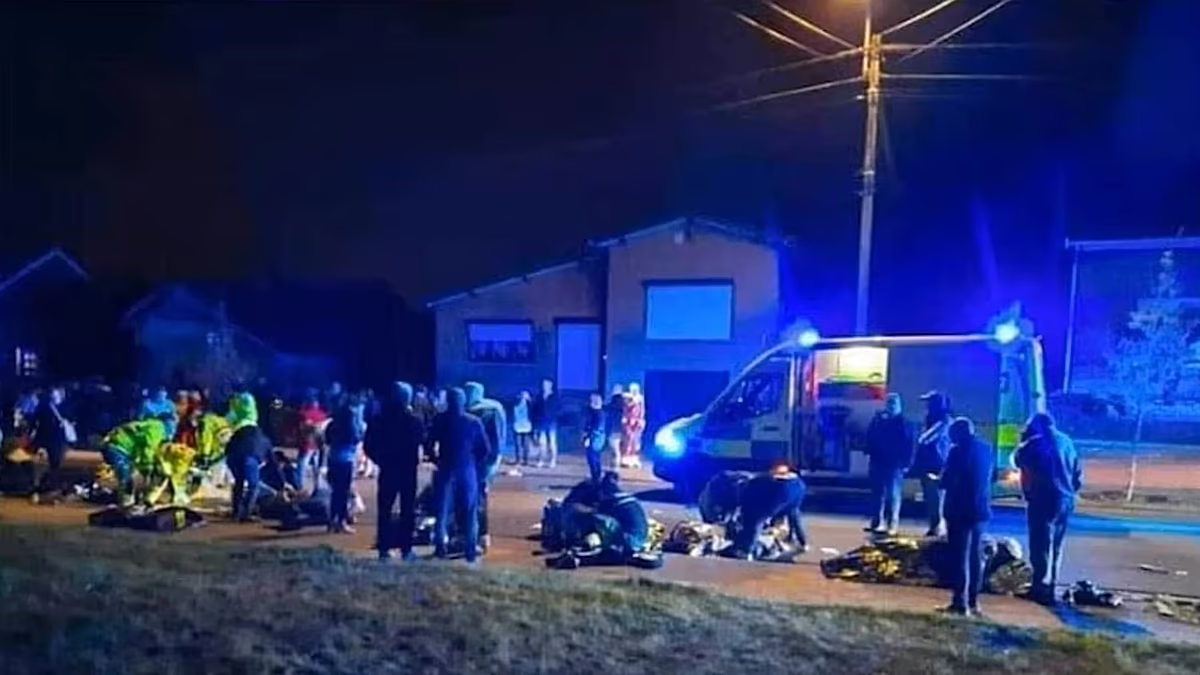


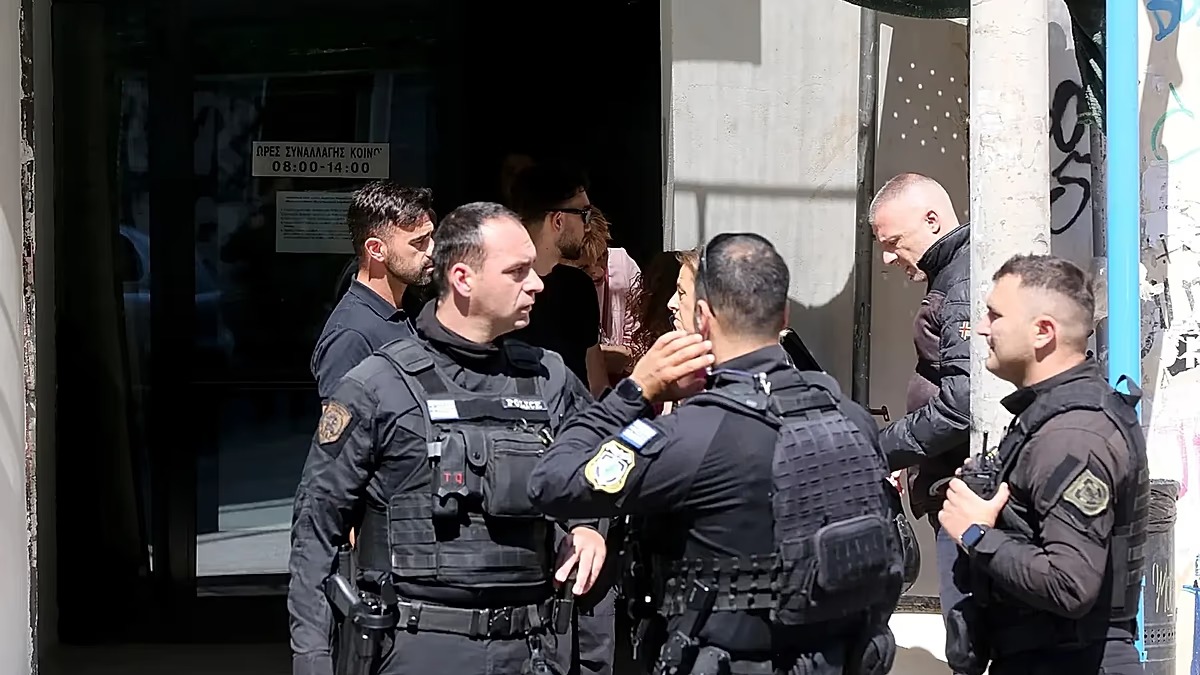
On a Tuesday that began like any other in central Athens, the morning calm was shattered by a pair of brazen shootings that left the nation in shock. An elderly man, identified by Greek media as being 89 years old, embarked on a violent rampage spanning two government buildings. He first opened fire inside the offices of the National Social Security Fund (EFKA), wounding an employee in the leg, before fleeing the scene. Shortly thereafter, the same individual unleashed gunfire in the Court of Appeals building, wounding several more individuals. Following a tense, hour-long manhunt that extended over 200 kilometres from the capital, police apprehended the suspect in the city of Patras, finding him in possession of a loaded revolver. Ambulance crews were seen, in footage broadcast by state media, urgently transporting at least three wounded individuals from the courthouse, a visceral reminder of the day’s violence piercing the heart of the Greek state.
The chilling sequence of events at the social security office was later detailed by EFKA’s director, Alexandros Varveris. The gunman, clad in a trenchcoat that concealed a shotgun, entered the building in the Kerameikos district and proceeded to the fourth floor. In a moment of surreal and terrifying clarity, he reportedly called out to one employee, instructing them to take cover, before discharging his weapon and striking a different colleague in the leg. This act suggests a premeditated intent to commit violence, yet with a strange, almost paradoxical warning that complicates the narrative. First responders, arriving swiftly at the scene, administered critical first aid by applying a tourniquet to the victim’s leg before transport to a hospital—a simple, life-saving act that stood in stark contrast to the chaos that prompted it.
As the city reeled, the gunman’s spree continued at the courthouse, deepening the mystery of his motives. After the shooting there, according to reports from state broadcaster ERT, he scattered envelopes containing documents on the floor, declaring they held his reasons for the attacks. This gesture—a desperate attempt to broadcast a grievance—transformed the incident from a seemingly random outburst into a pointed, albeit violent, statement. However, the specific content of those documents and the nature of his complaint remain unclear to the public. Adding a layer of tragic complexity, Greek media reported the suspect had a history of psychiatric care, having been hospitalised at a facility in 2018. This detail invites difficult questions about mental health, societal support systems, and the intersection of personal crisis with public violence.
The incident strikes a particular chord because such brazen gun violence is uncommon in Greece. The country maintains strict regulations on firearm ownership, and shootings of this scale in public institutions are rare events. This rarity magnifies the sense of public shock and vulnerability; government offices, where citizens go to seek services and justice, are perceived as pillars of civil society, not as battlefields. The fact that an octogenarian could breach this sense of security with a concealed shotgun has undoubtedly prompted urgent reflections on security protocols in public buildings and the pathways through which individuals in profound distress might slip through the cracks of the social fabric.
In the immediate aftermath, the primary focus rightly remained on the victims—the employees and citizens going about their daily lives who found themselves caught in a nightmare. Their physical recovery is paramount, but the psychological wounds inflicted by such a traumatic event will likely linger far longer for them, their colleagues, and the eyewitnesses. The quick response by police and medical personnel undoubtedly prevented an even greater tragedy, yet the surreal image of an 89-year-old gunman in a trenchcoat will not be easily erased from the collective memory of Athens. The episode serves as a grim reminder that violence can erupt from unexpected quarters, destabilising the ordinary rhythms of city life in mere moments.
As the investigation continues, authorities are piecing together the gunman’s motives, examining the documents he left behind, and reviewing his personal history. This process is crucial not only for judicial reasons but also for a societal understanding that may help prevent future tragedies. While Greece grapples with this unsettling event, the underlying questions it raises about mental healthcare, bureaucratic alienation, and public safety in an era of isolated despair will demand careful, compassionate consideration long after the headlines fade. The true measure of the community’s response will be found in how it supports the wounded, secures its public spaces, and addresses the profound human needs that, when left unmet, can sometimes curdle into unthinkable acts.