



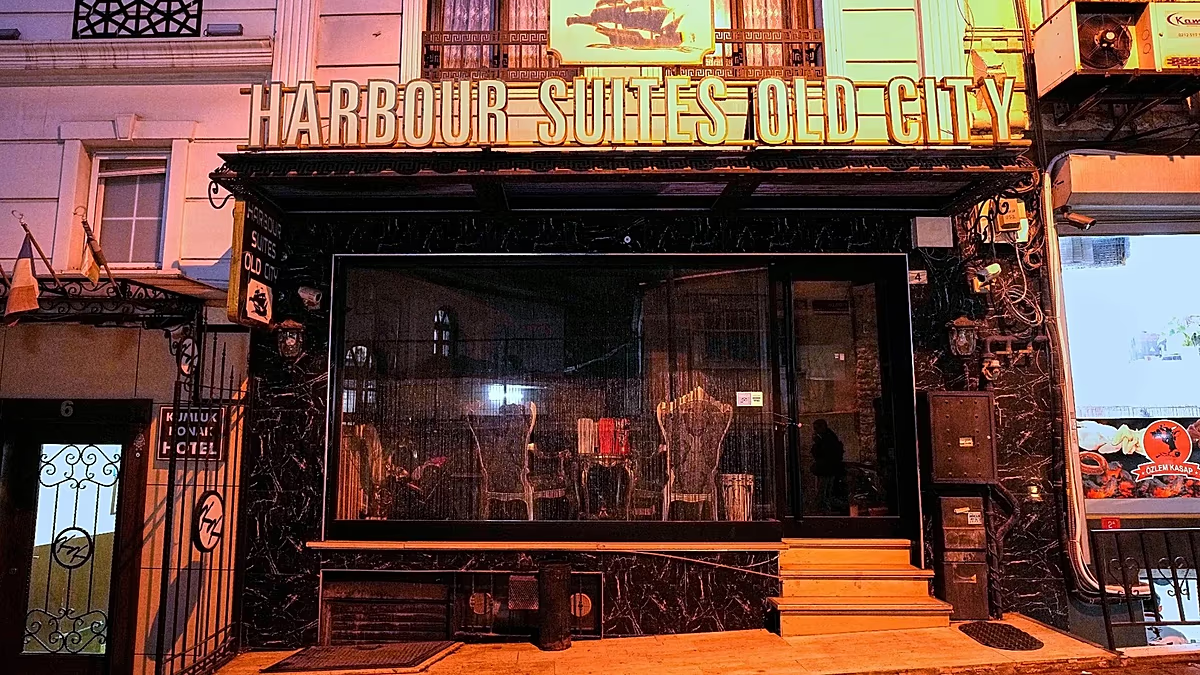
The tragic deaths of the Böcek family, a German family of four on holiday in Istanbul, have cast a long and grim shadow over Turkey’s bustling tourism sector, exposing a fatal chain of negligence. In November, Servet and Çiğdem Böcek and their two young children, six-year-old Kadir Muhammet and three-year-old Masal, checked into the budget-friendly Harbour Suites Old City hotel. Their stay turned into a nightmare when they were slowly poisoned by phosphine gas, a highly toxic insecticide used in a botched pest control operation in the room directly beneath theirs. What began with complaints of nausea and vomiting culminated in a desperate scramble for help and, ultimately, the deaths of all four family members over several agonizing days, sending shockwaves through the international community and prompting urgent questions about safety protocols.
The sequence of events, as detailed in court indictments, reads like a horrifying cascade of preventable errors. After initially seeking help at a hospital, the family returned to the hotel, only for their condition to deteriorate critically. In a particularly harrowing moment captured by security images, a desperately ill Servet Böcek was seen carrying his daughter into the hotel reception, frantically trying to break through a locked glass door to get help. Tragically, the hotel receptionist, disturbed by the foul smell emanating from the treated room, had left his post and locked the main entrance, creating a seven-minute delay in emergency response that prosecutors cited as a contributing factor in their deaths. This delay compounded the initial, catastrophic failure: the use of a deadly chemical in a occupied residential building.
The source of the poison was not, as initially suspected, food, but the reckless application of a chemical warfare agent against insects. An inspection revealed traces of phosphine gas, a substance that attacks the respiratory system and causes organ failure, on towels and surfaces within the hotel. The pest control company, DSS Pest Control, operated without certification and used aluminium phosphide, a compound that releases phosphine gas and is utterly unsuitable for use in spaces like hotels where people are present. Furthermore, the worker who carried out the spraying, Doğan Çağferoğlu, was not qualified to handle such hazardous materials. No proper safety precautions were taken, effectively turning the hotel into a gas chamber for the unsuspecting family upstairs.
In response to this profound failure of duty and care, Turkish prosecutors have brought severe charges against six individuals, outlining a system of negligence that spanned from the boardroom to the front desk. The hotel owner, the owners of the pest control company, the unqualified spray technician, and the receptionist who left his post all now face a trial where prosecutors are seeking prison sentences ranging from over two years to a maximum of 22 years for causing multiple deaths through gross negligence. Each defendant represents a link in the broken chain: the hotel for hiring an uncertified firm, the pest control company for its illegal operations and dangerous practices, the worker for his lack of training, and the staff member for the fatal delay in emergency access.
This case has ignited a fierce debate about regulatory oversight in Turkey’s vast tourism industry, which hosts millions of visitors annually. The Harbour Suites was one of many low-cost accommodations nestled near iconic sites like the Hagia Sophia, catering to budget-conscious travelers. The Böcek family tragedy has forced a painful reckoning, prompting calls from both within Turkey and abroad for far stricter enforcement of health and safety standards, mandatory certifications for all maintenance and pest control work, and clear emergency protocols for hotel staff. It highlights a dangerous potential gap where the drive for affordability and convenience can overshadow fundamental safety obligations, with deadly consequences.
Beyond the legal proceedings and policy discussions, the heart of this story remains a profound human loss. A young family, seeking a holiday and cultural experience, was wiped out due to a series of callous and negligent business decisions. The image of a father fighting to save his children against a locked door symbolizes a devastating betrayal of the basic trust travelers place in their accommodations. As the trial unfolds, it serves not only as a pursuit of justice for the Böcek family but also as a stark, urgent warning to the global hospitality industry. The duty to protect guests from hidden dangers is paramount, and the failure to uphold that duty can erase futures in the most cruel and senseless of ways.