


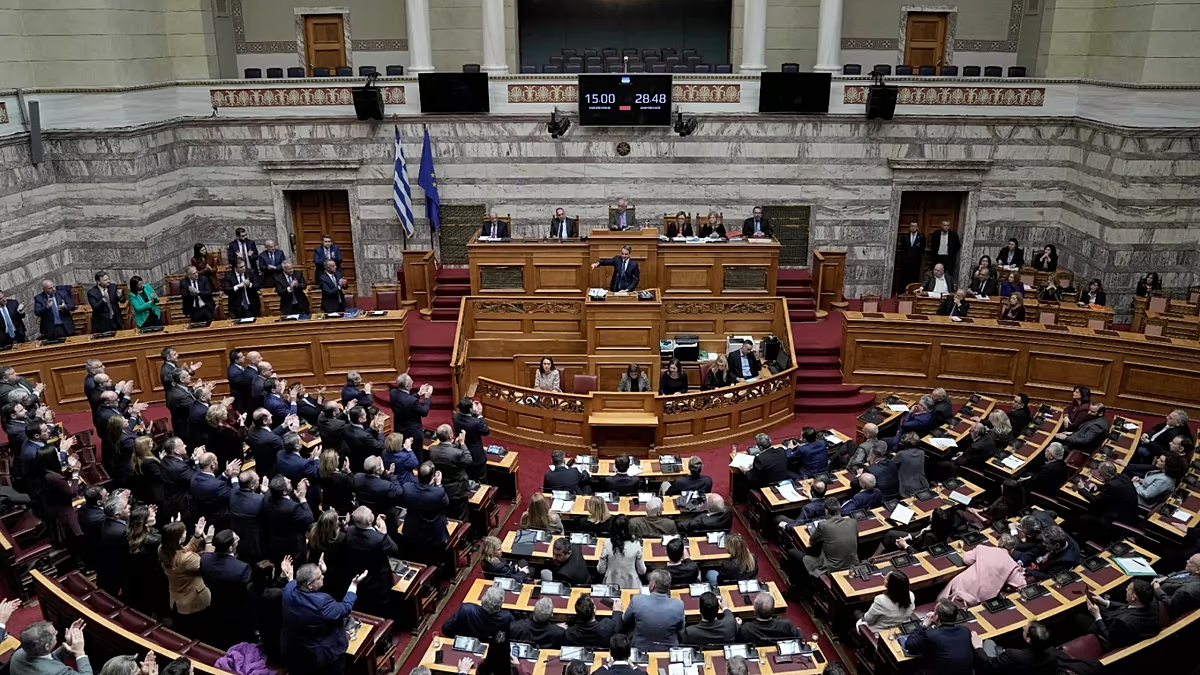
The Greek parliament has taken the significant step of lifting the immunity of 13 of its own lawmakers, a move that clears the way for their prosecution in a sprawling investigation into the alleged theft of millions of euros in European Union agricultural subsidies. This decision, demanded by both Greek and European prosecutors, marks a dramatic escalation in a scandal that has already shaken the nation’s political establishment. At the heart of the case is a sophisticated network accused of defrauding at least €23 million from EU funds, with the European Public Prosecutor’s Office (EPPO) probing a total of 20 members and former members of the ruling New Democracy party. The implicated politicians have formally requested the waiver of their parliamentary protection, stating a desire to clear their names, but the vote underscores the gravity of the accusations they now face.
The alleged fraud is deeply technical, exploiting a shift in how the EU’s Common Agricultural Policy distributed funds. After 2014, subsidies began to be calculated based on land holdings rather than livestock. With Greece’s national land registry notoriously incomplete at the time, a loophole emerged: farmers were permitted to declare land owned anywhere in the country. Prosecutors allege this system was systematically gamed. The scheme, which authorities say began around 2018, involved beneficiaries making claims for land they did not own, inflating the number of animals on fictitious farms, and even collecting payments with no connection to agriculture whatsoever. The scale suggests a highly organized effort to divert EU support meant for sustaining rural communities.
Wiretap evidence has become a central and explosive element of the investigation. According to reports, the lawmakers under scrutiny are cited in legal intercepts allegedly discussing specific farmers’ files and frequently attempting to intervene on their behalf. While the politicians vehemently deny any wrongdoing—arguing that advocating for constituents is a core part of their parliamentary duty—the context of these conversations within a massive fraud probe is damning. This tension was captured by former agriculture minister Costas Tsiaras, who argued that intervening in bureaucratic matters is an MP’s job, even as he resigned in April amidst the growing scandal. The wiretaps suggest a blurring of the line between legitimate advocacy and potential orchestration of fraud.
The political fallout has been immediate and severe, puncturing the stability of Prime Minister Kyriakos Mitsotakis’s government. In a swift chain reaction, two ministers and two deputy ministers resigned this month alone, forcing a cabinet reshuffle. The scandal touches the very heart of the ruling party, creating a stark contrast between the government’s public stance on law and order and the implication of its own members. Mitsotakis, who correctly notes the fraud predates his 2019 tenure, has vowed to imprison the “thieves” and recover the stolen funds. However, he has also questioned the EPPO’s objectivity, echoing sentiments from some allies who allege political motivation and complain of damaging media leaks. This defensive rhetoric highlights the tightrope the government walks between cooperating with justice and managing the crisis.
The institutional context in Greece makes such prosecutions particularly complex. Ministers and lawmakers enjoy strong parliamentary immunity, meaning any probe must first pass through a political vote in parliament—a process often blocked by a ruling majority. The fact that this majority has now voted to lift immunity indicates the weight of the evidence or the severe political pressure to be seen as compliant. Notably, while dozens of arrests were made last year, none were politicians until now. This has fueled public perception of a two-tiered system. The involvement of the EPPO, an independent EU body, is crucial as it operates outside domestic political constraints, seeking to uphold the financial integrity of the Union as a whole by pursuing complex cross-border fraud.
As Greece looks toward elections next year, the subsidy scandal has become a defining challenge. While the New Democracy party still leads in opinion polls, the affair has eroded its credibility and made an absolute majority less likely. The case transcends typical political sparring, striking at issues of good governance, the rule of law, and the responsible use of European taxpayer money. For citizens, it raises profound questions about accountability and the misuse of public office. The coming legal proceedings, enabled by the lifted immunities, will not only determine individual guilt but will also test Greece’s ability to confront high-level corruption and restore trust in its institutions, with implications that resonate far beyond its borders to the very heart of the European project.