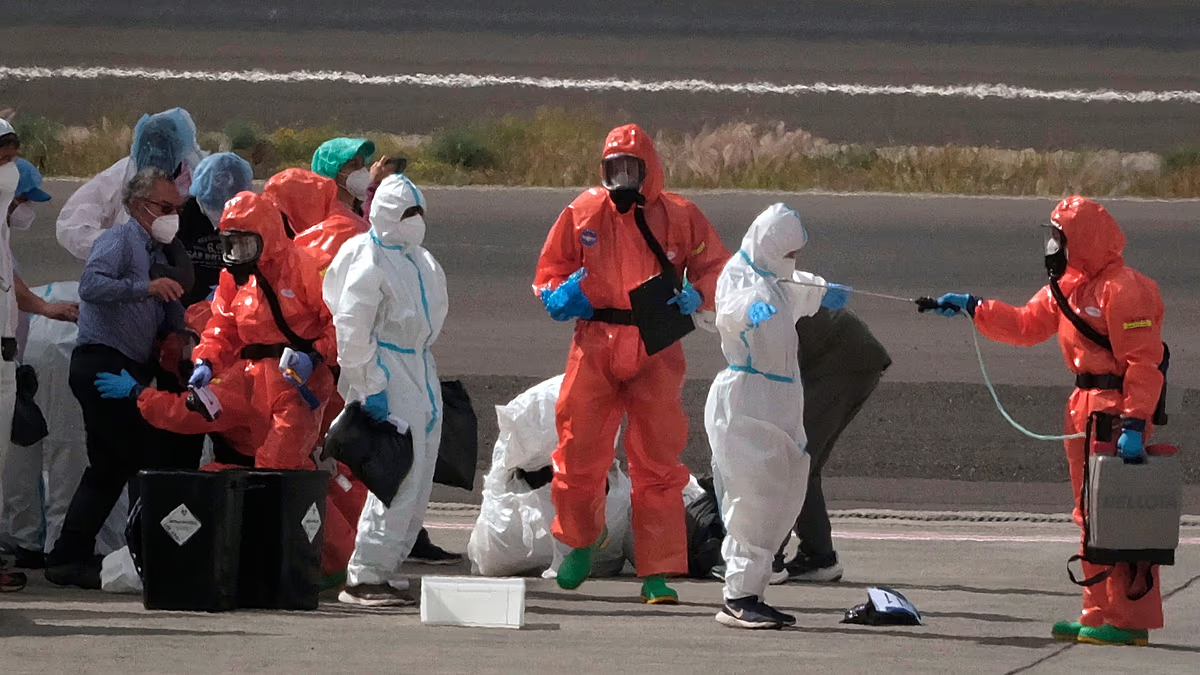
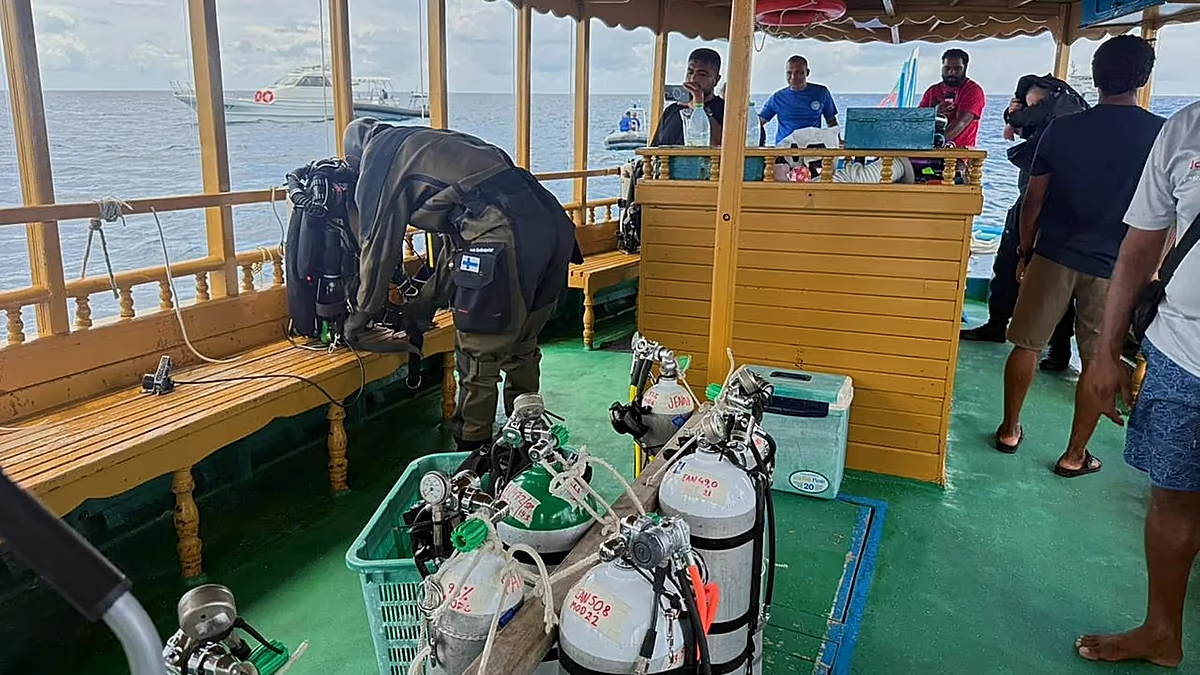


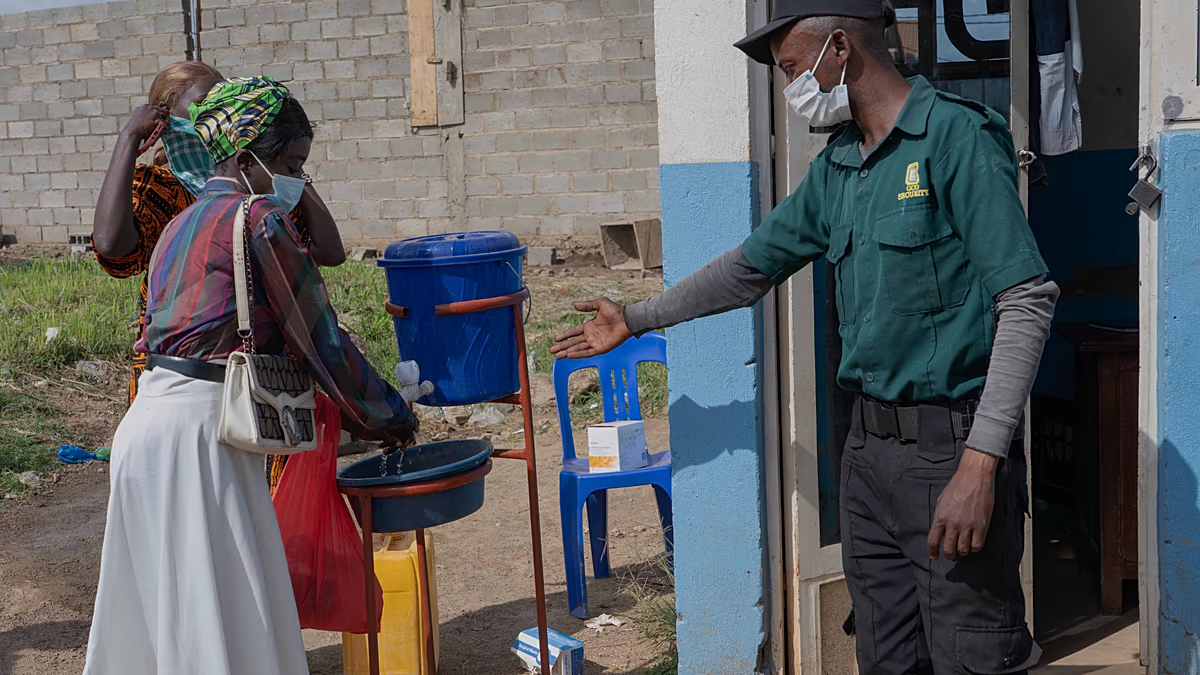
The World Health Organization is mobilizing today, convening an Emergency Committee to address a grave and swiftly evolving health crisis. A new Ebola outbreak, centered in the eastern Congolese province of Ituri and spilling across the border into Uganda, has been declared a Public Health Emergency of International Concern by WHO Director-General Dr. Tedros Adhanom Ghebreyesus. Citing deep concern over the epidemic’s scale and speed, Dr. Tedros invoked this formal alert—the highest level of international health alarm—after consulting with the ministers of health from both affected nations. The sobering statistics underscore his urgency: Congolese authorities report at least 500 cases and 131 deaths, while Uganda has confirmed two cases, including one fatality, among travelers from Congo. This declaration signals a coordinated global effort to bolster the response and prevent a wider catastrophe.
Several alarming factors are fueling this emergency and driving the international response. First is the sheer scale of suspected cases and deaths beyond the confirmed numbers, a shadow of uncertainty that will only become clearer as surveillance and testing intensify. Second, and critically, the virus has penetrated densely populated urban centers, including Kampala, Uganda’s capital, and Goma, a major city in the Democratic Republic of Congo. Urban transmission dramatically increases the potential for rapid, uncontrolled spread. A third, chilling factor is the reported deaths among healthcare workers, indicating transmission within medical facilities—a sign that infection prevention protocols are being overwhelmed. All these dangers are compounded by significant population movements in the region. While the WHO stresses this outbreak does not meet the criteria of a pandemic like COVID-19 and advises against border closures, the combined risks present a formidable challenge.
The specific enemy in this battle is the Bundibugyo strain of the Ebola virus, a less common variant that complicates the response in a profoundly daunting way. Unlike the more familiar Zaire strain, for which effective vaccines and treatments exist, there are no specific medical countermeasures—no vaccines, no approved therapeutics—ready for the Bundibugyo virus. As infectious disease specialist Dr. Celine Gounder notes, this means responders are “really back to the basics.” The virus spreads through direct contact with bodily fluids of infected or deceased individuals, placing healthcare workers and caregivers at the forefront of risk. In this vacuum of targeted medical tools, the response must rely on classical, labor-intensive public health measures: meticulous contact tracing, safe burials, infection control in clinics, and relentless community engagement to build trust and encourage early care-seeking.
A tragic delay in detection has already handed the virus a deadly advantage, allowing it to spread unchecked for weeks. According to Africa Centres for Disease Control and Prevention Director-General Dr. Jean Kaseya, the outbreak began in April, but the initial case—the “index case”—remains unknown. The earliest suspected case, a 59-year-old man, fell ill on April 24th and died in an Ituri hospital on April 27th. Yet health authorities were not formally alerted until social media reports surfaced on May 5th. By that time, the Africa CDC reports, 50 lives had already been lost. This critical lag in recognition underscores the fragility of surveillance systems and the virus’s stealth. The toll on the health workforce is equally stark, with the WHO reporting at least four deaths among healthcare workers showing Ebola symptoms, a loss that further cripples the response capacity.
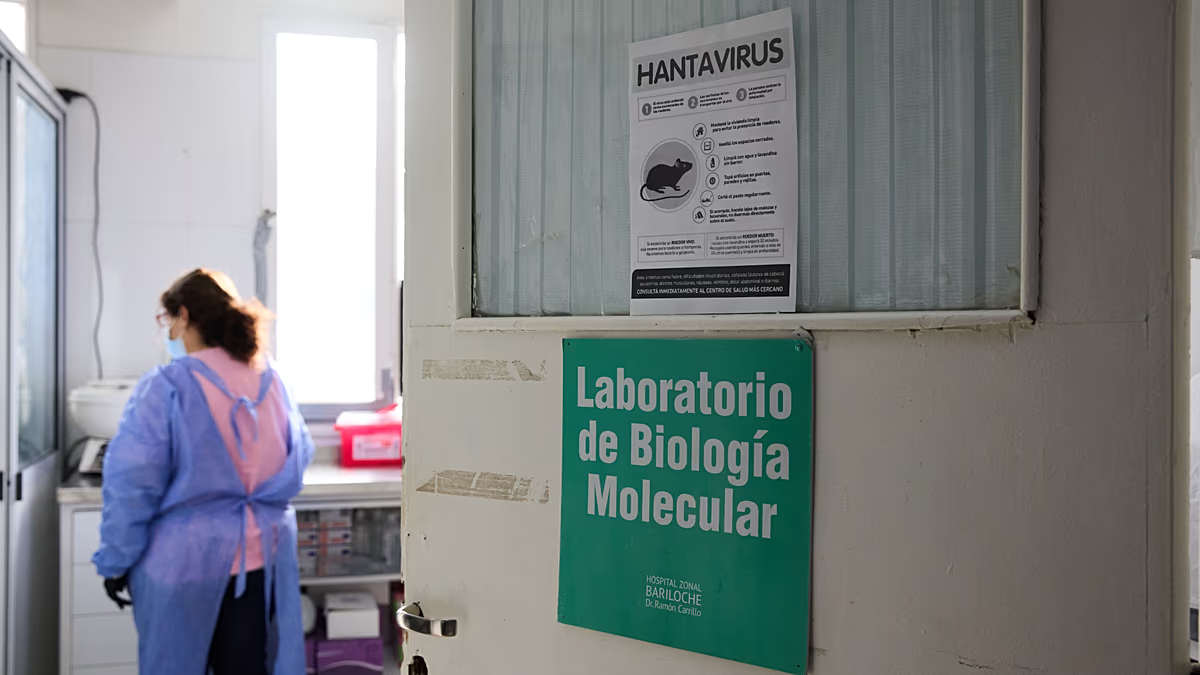
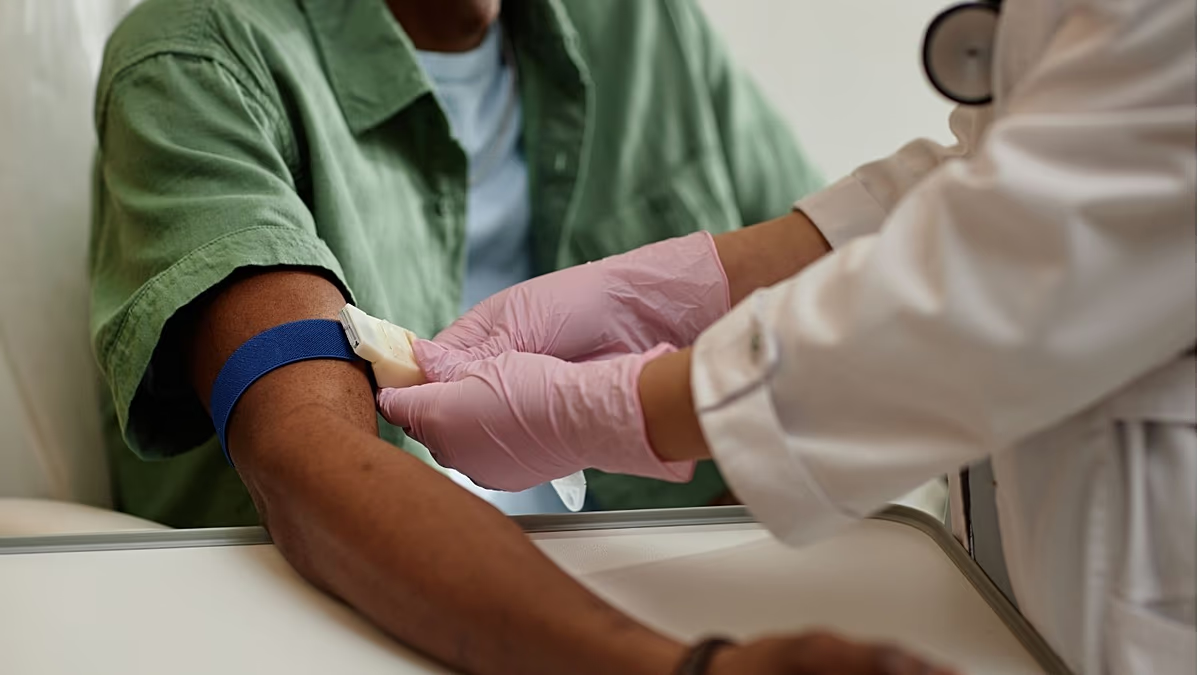
In the face of these compounded challenges—a dangerous urban spread, a lethal strain with no ready-made medicines, and a delayed start—the path forward is one of immense difficulty but not hopelessness. Dr. Tedros emphasizes that even without vaccines or drugs, lives can be saved and the virus contained through a rigorous application of fundamental public health strategies. This includes scaling up clinical care for the sick, strengthening laboratory services for rapid diagnosis, implementing rigorous infection prevention and control in all health facilities, and ensuring safe and dignified burial practices to break chains of transmission. Social mobilization and risk communication are equally vital; communities must be empowered with knowledge and engaged as partners to overcome fear and misinformation, which can drive secrecy and further spread.
The convening of the WHO Emergency Committee marks a pivotal moment to galvanize international support and resources for this multifaceted fight. The goal is to erect a firewall against further spread through a combination of global expertise, funding, and logistical support, amplifying the heroic efforts of local and national responders. The situation is severe, but it is not unmanageable with a coordinated, resolute, and compassionate response. The world’s attention and assistance must now focus on supporting the affected communities and health workers in Congo and Uganda, applying every available tool to halt this outbreak before it claims more lives and extends its reach further across borders.