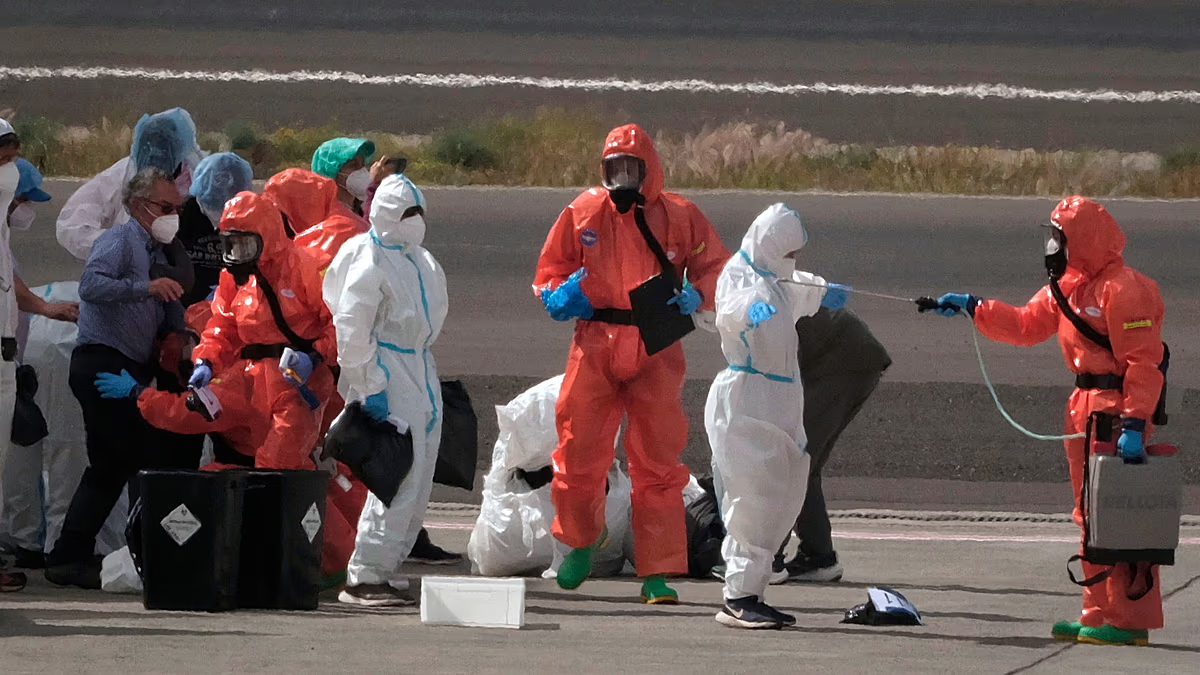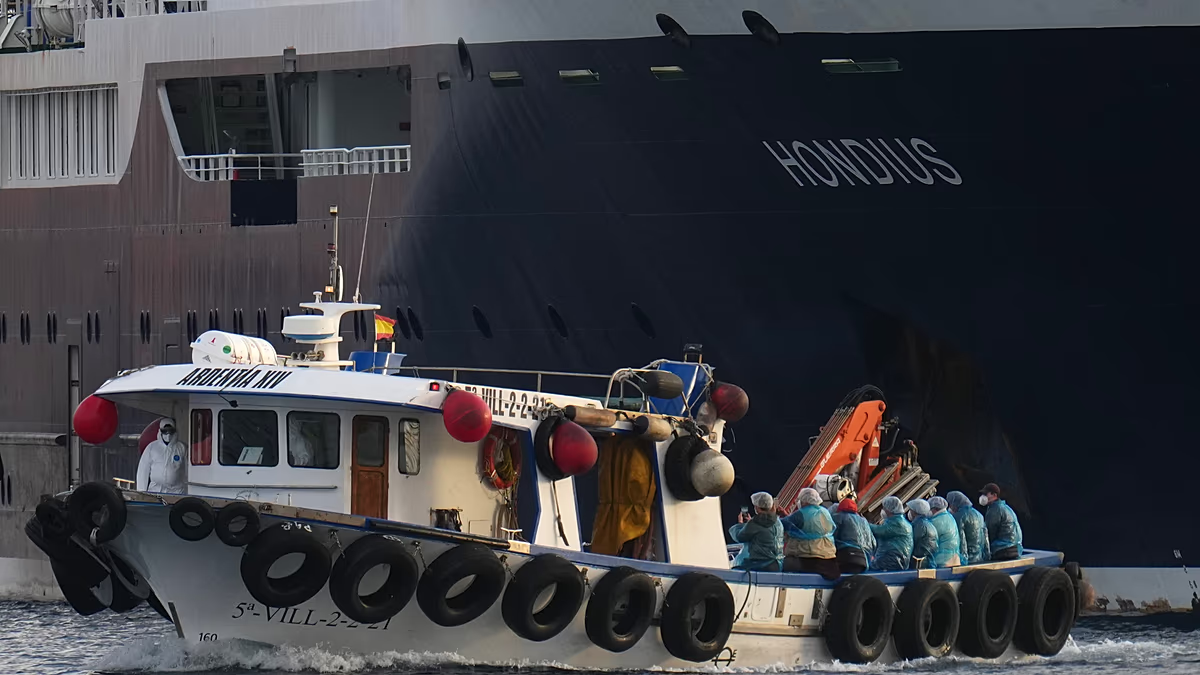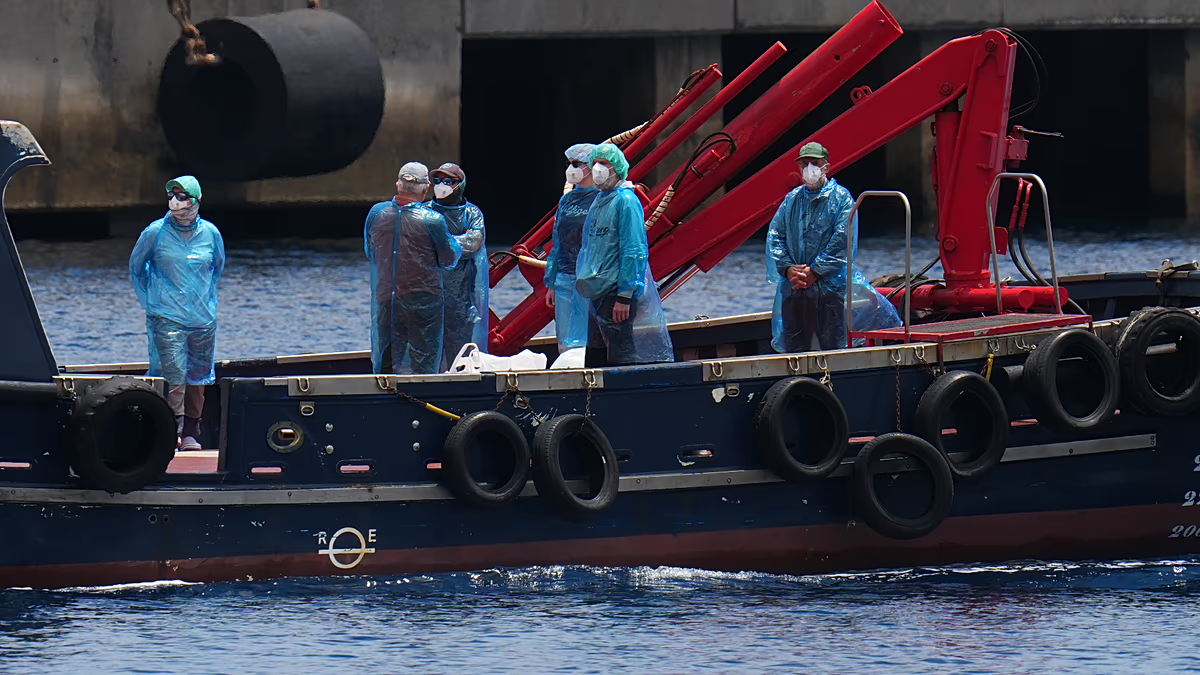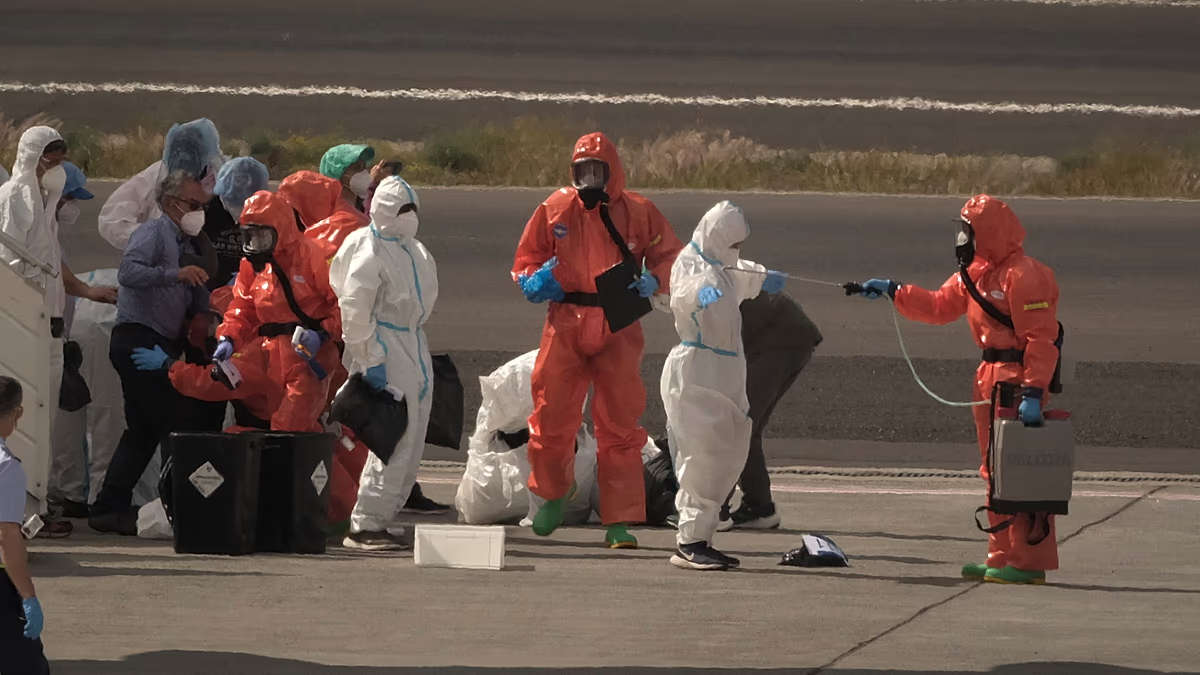




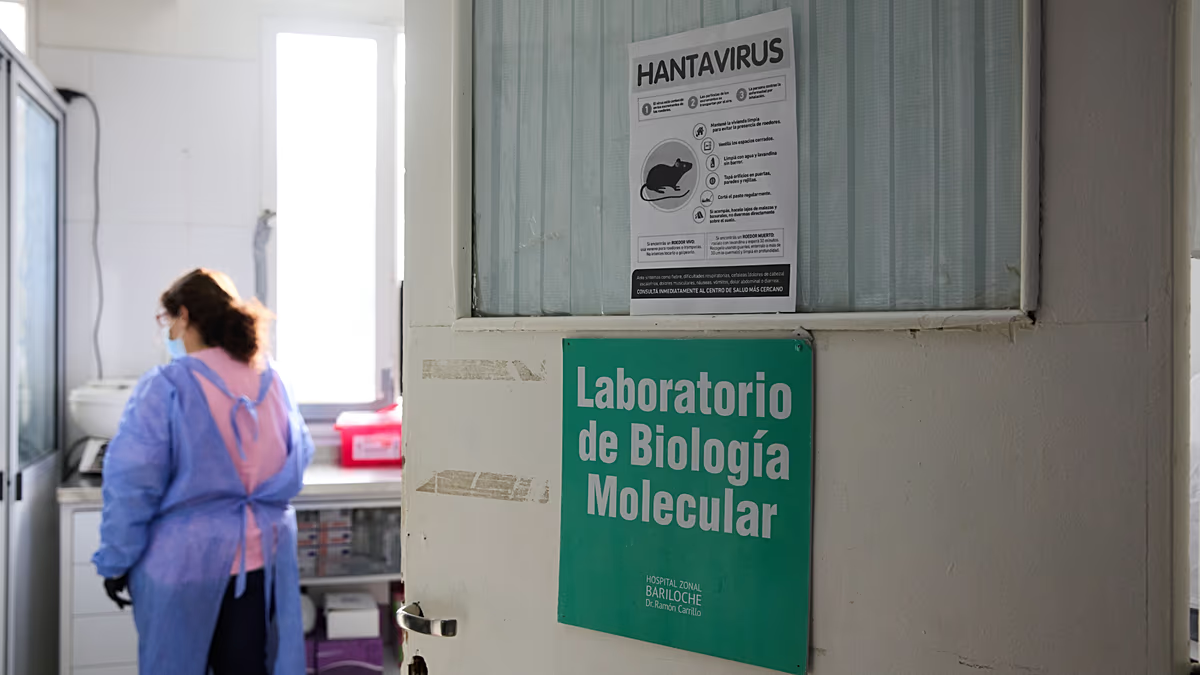
In early May 2026, a chilling health alert emerged not from a remote jungle or crowded city, but from the confines of a cruise ship. The MV Hondius, a Dutch-flagged vessel, became the scene of a deadly outbreak caused by the Andes virus, a strain within the hantavirus family. This event sent a ripple of concern through global health circles, prompting questions about whether such emerging viral threats could ignite another pandemic. As reported by Roselyne Min with AP, the outbreak resulted in three fatalities among passengers, with the World Health Organization confirming nine cases. While the origin remains unknown, the incident starkly highlighted a gap in our medical arsenal: there are currently no approved vaccines or specific treatments for this pathogen, though early supportive care can improve outcomes.
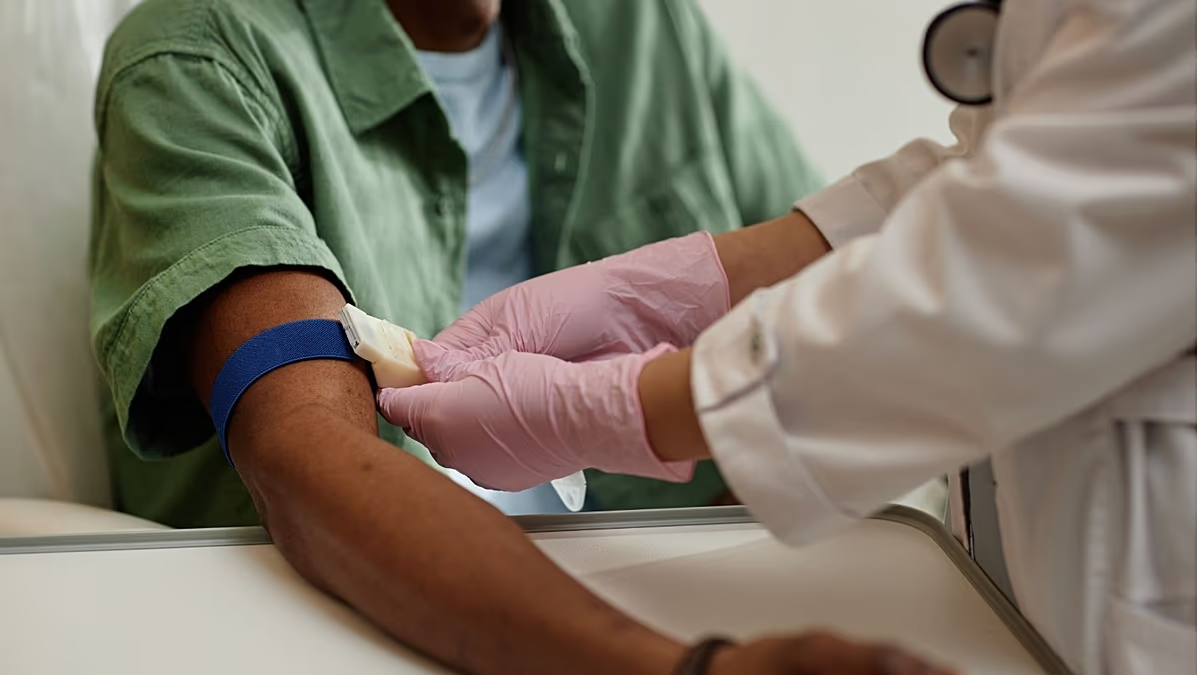
Fortunately, scientific foresight meant researchers were not starting from zero. At the University of Bath in the United Kingdom, a team had already been pioneering work on a novel mRNA vaccine targeting another strain of hantavirus, known as Hantaan. This strain, prevalent in parts of Asia, causes a severe renal syndrome. Led by chemist Asel Sartbaeva, who also heads the university spinout company EnsiliTech, the team has developed what she describes as “a completely new antigen.” Laboratory tests in animals have shown promising results, demonstrating strong immunogenicity. The UK government recognized this potential, awarding the team a contract in 2024 to develop what could become the world’s first thermally stable mRNA vaccine against Hantaan virus.
The technology behind this potential breakthrough is as innovative as the antigen itself. The vaccine employs a process called ensilication, a method that coats the fragile mRNA molecules, allowing them to withstand higher temperatures. This is a significant leap for mRNA vaccines, which typically require stringent cold-chain logistics, often needing storage at freezing temperatures as low as -70°C. Sartbaeva’s team has already successfully stabilized the vaccine for transport at standard refrigerator temperatures (2 to 8°C). Her ambition is to advance further, achieving room-temperature stability, which would dramatically ease distribution, especially in remote or resource-limited areas where hantaviruses often emerge. Sartbaeva emphasizes that “it’s a technology which can be applied across many different vaccines,” suggesting a wide-ranging impact beyond this single disease.
The urgent question arising from the cruise ship outbreak, however, is whether this vaccine candidate for Hantaan virus could also protect against the Andes strain. Researchers are cautiously hopeful but underscore that science requires concrete evidence. Sartbaeva stated clearly, “We don’t know whether the antigen which we have developed will be useful against Andes (strain) at the moment. We’re hoping that it will be, but obviously, until we have actually tested against the Andes virus, we will not know.” This candid assessment reflects the rigorous pathway of vaccine development, where cross-protection between strains is possible but not guaranteed. The outbreak has undoubtedly accelerated interest and may drive further research and funding to explore this critical question.
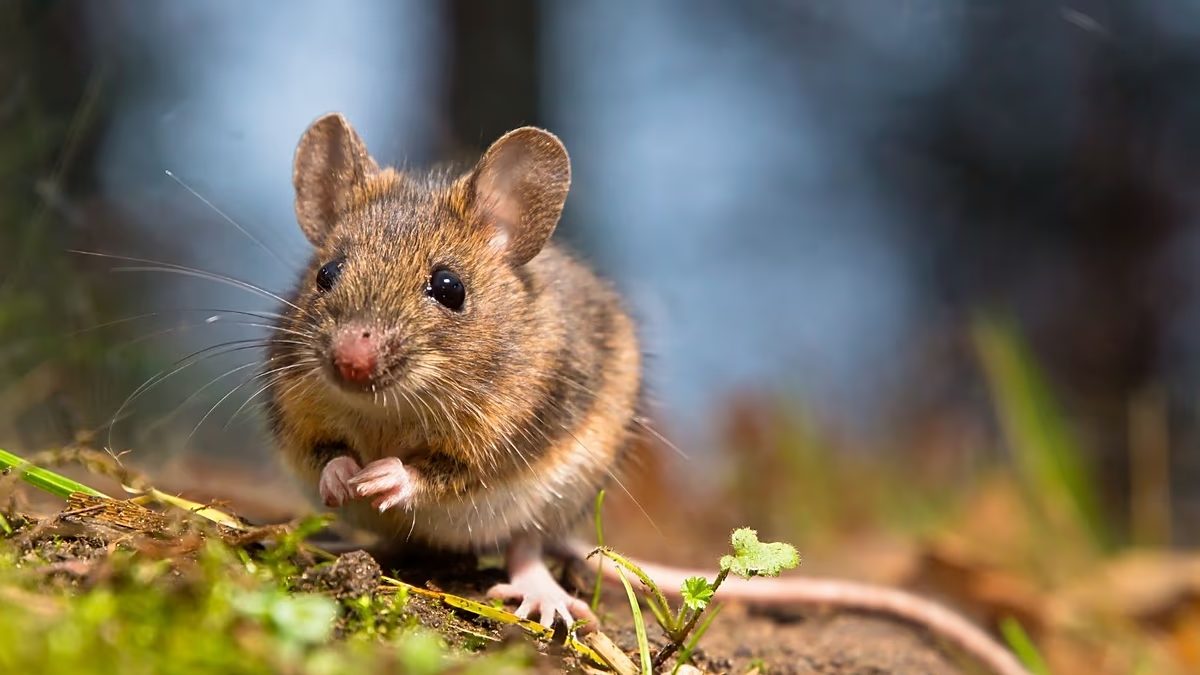
In response to public anxiety, health authorities and scientists have offered measured reassurance. Following the evacuation of the last passengers, the WHO director stated there was “no sign” of a larger hantavirus outbreak. Sartbaeva echoed this calm perspective, stressing there is no need for “panic” or direct comparison to the COVID-19 pandemic. She explained that hantavirus pulmonary syndrome, caused by the Andes strain, is a rare disease that historically has not attracted sustained global attention. Transmission typically requires contact with infected rodents or their excretions and is not easily spread between people through casual contact. The isolated environment of the cruise ship, while tragic, naturally limited the potential for wider community transmission. “It’s not a disease which transmits very easily,” she noted.
This event serves as a potent reminder of the unpredictable nature of global health. It underscores the vital importance of proactive, foundational research on pathogens that may seem obscure today but can suddenly surface in alarming contexts. The work at the University of Bath, aimed at a thermally stable mRNA vaccine, represents a dual advancement: targeting a neglected threat and pioneering logistics solutions that could benefit global vaccine equity. While the journey from promising animal data to a human vaccine for Hantaan, and potentially Andes virus, will take time and further testing, the outbreak has illuminated both our vulnerabilities and the quiet, persistent work being done to fortify our defenses. It is a story not of imminent catastrophe, but of scientific preparedness responding to a warning from the high seas.