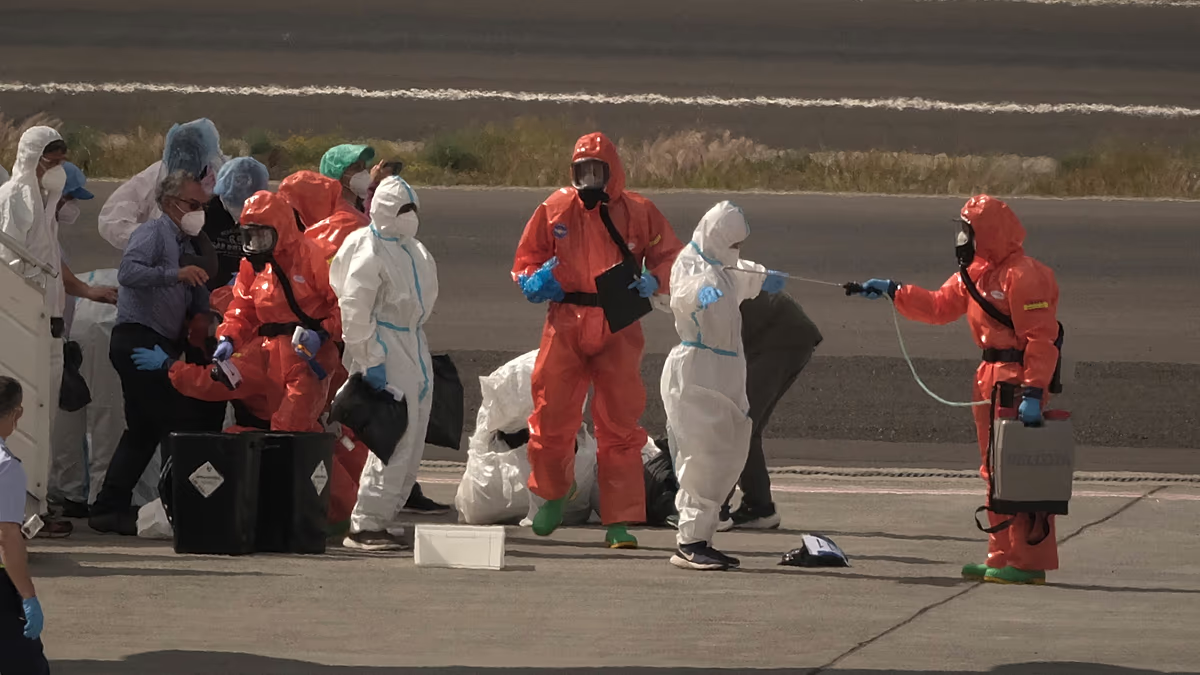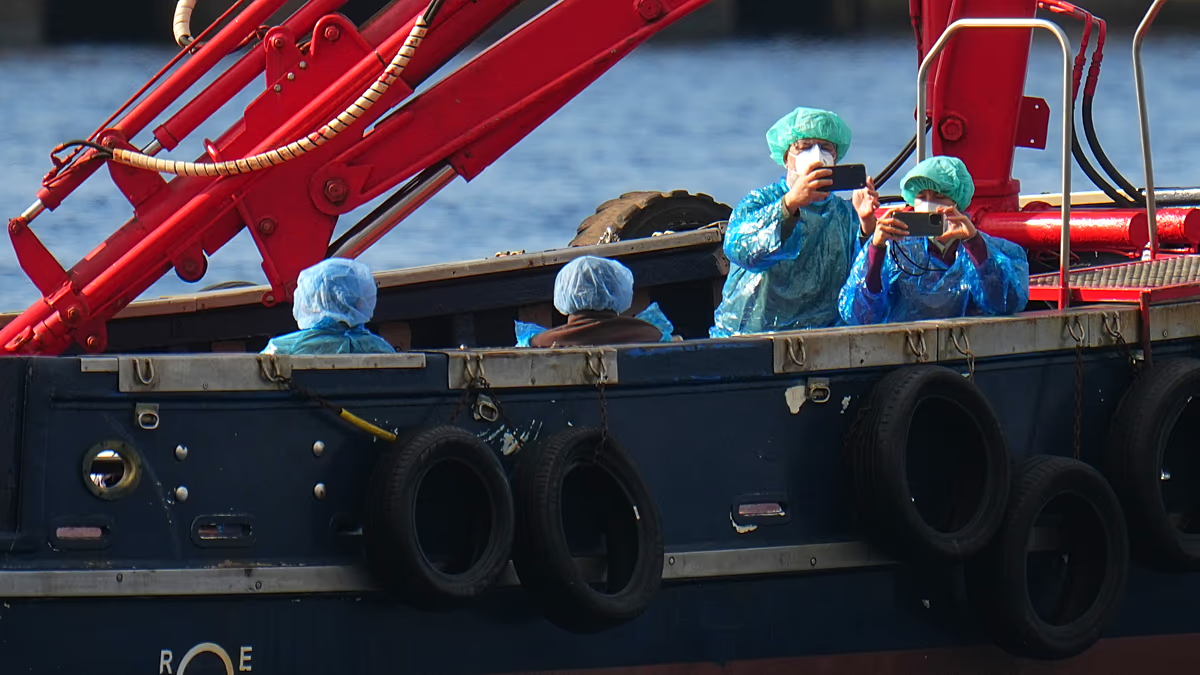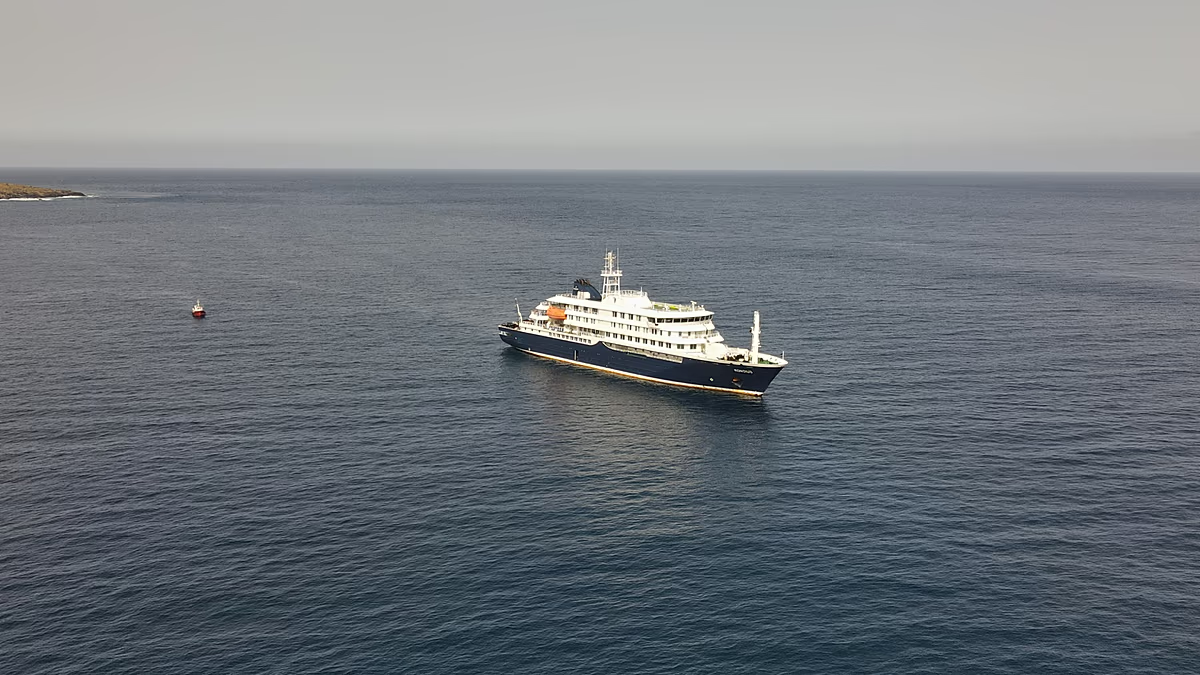




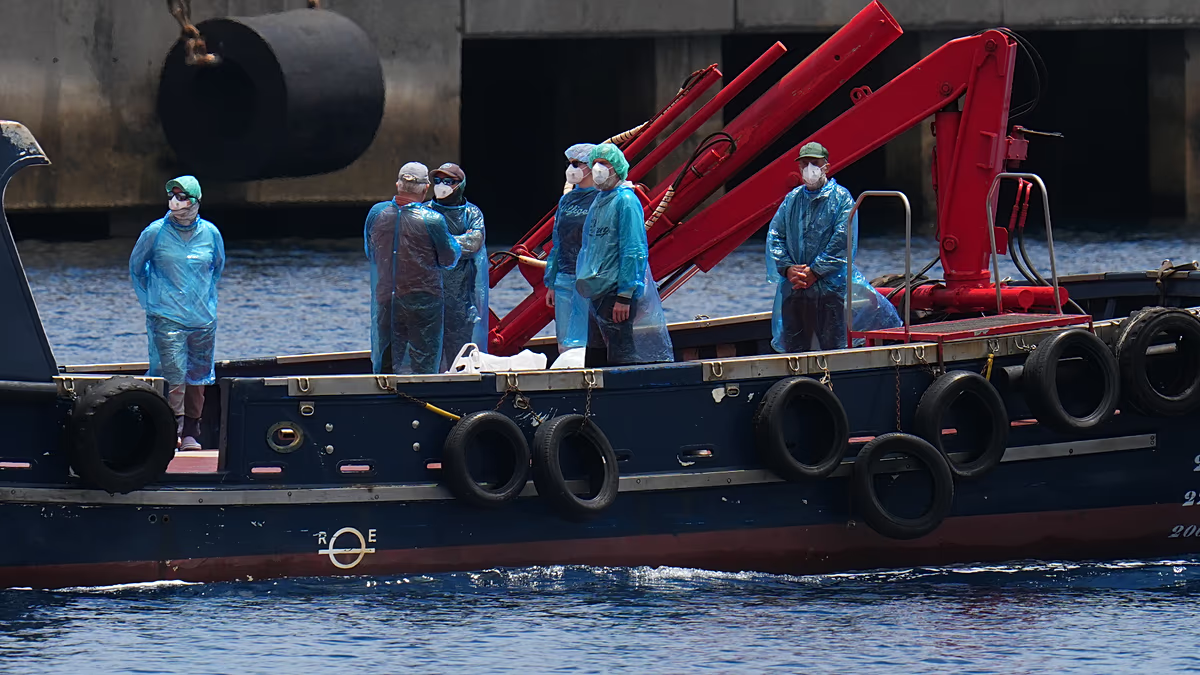
On a day meant to be a carefully coordinated emergency response, a somber tragedy unfolded at the port of Granadilla de Abona in Tenerife. This past Sunday, as authorities managed the tense arrival of the cruise ship MV Hondius, a 62-year-old Spanish Civil Guard officer suffered a fatal heart attack. He was performing his duty, assisting with the security and logistical complexities of a controlled passenger disembarkation, when he collapsed. His death cast an immediate pall over an operation already fraught with anxiety, causing profound consternation and grief among his colleagues and the broader security forces. The incident starkly highlighted the intense, often overlooked, physical and mental demands placed on first responders during prolonged high-stakes emergencies.
The officer’s death occurred within the extraordinary context of a major public health crisis at sea. The MV Hondius had been placed under strict emergency protocols due to a confirmed outbreak of hantavirus, a rare and often severe viral disease spread by rodents, which had tragically claimed multiple lives and infected several passengers and crew members on board. The ship’s arrival in Tenerife was not a routine port call but a critical juncture in an international effort to manage the outbreak. The operation involved intricate coordination between police, health officials, and port authorities to safely evacuate and begin the repatriation of passengers under the most stringent health safeguards, making the environment one of exceptional pressure.
The human impact of this layered tragedy was given a voice by Spain’s Health Minister, Mónica García, who addressed the media from the very port where the officer fell. “I would like to express our condolences to the family, to all the Guardia Civil,” she stated, formally acknowledging the loss within the ranks of those tasked with protecting public safety. Her words served as a poignant reminder that behind the large-scale headlines of disease outbreaks and security operations, there are individual stories of service and sacrifice. The officer’s passing transformed the narrative, intertwining the risks of a viral threat with the ever-present dangers inherent in frontline emergency work.
Amidst this backdrop of personal loss, the public health operation continued with meticulous caution. The primary goal was to disembark and process hundreds of passengers for repatriation to their home countries, all while preventing any potential spread of the virus on Spanish soil. Notably, Spanish health authorities had already ruled out two suspected cases within the country, a piece of cautiously good news that helped temper local fears. Nevertheless, the situation remained serious, with international health authorities on high alert as new cases linked to the cruise were confirmed in other nations, underscoring the globalized nature of both travel and disease transmission.
In response to the outbreak, the World Health Organization (WHO) provided a measured assessment aimed at preventing undue panic. While urging vigilance and robust containment measures, the WHO emphasized that this was a localized outbreak confined to the specific ecosystem of the cruise ship, not an event comparable to a pandemic. This distinction was crucial for public understanding, differentiating a contained, if tragic, maritime incident from a widespread community transmission threat. The statement aimed to balance the necessary gravity of the situation with reassurance that international protocols were functioning to isolate and manage the crisis.
Ultimately, the events at the port of Granadilla tell a dual story of crisis management. It is a story of global health infrastructure springing into action to contain a dangerous pathogen, demonstrating the complex international cooperation required in our interconnected world. Simultaneously, and more intimately, it is a story of local heroism and sudden loss. The death of the Civil Guard officer serves as a solemn testament to the personal toll exacted from those who stand on the front lines during such emergencies, a reminder that in the face of invisible viral threats, the human elements of duty, strain, and sacrifice remain profoundly visible and deeply felt.