



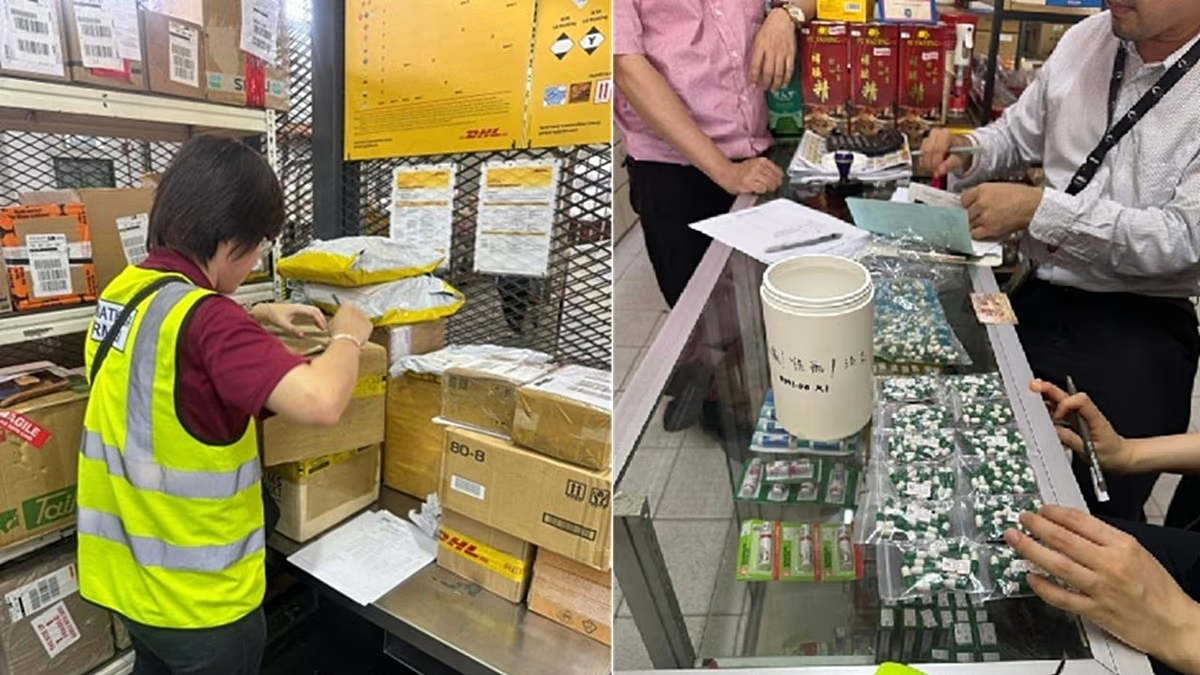
In a sweeping global effort to protect public health, Interpol has successfully dismantled a vast network of illicit pharmaceutical trafficking, seizing a staggering 6.42 million doses of counterfeit and unapproved medicines. The operation, spanning 90 countries, prevented these dangerous products, valued at over USD 15.5 million, from reaching vulnerable consumers. This haul included a wide array of drugs that people trust to improve their health and wellbeing, from erectile dysfunction pills and powerful sedatives to common painkillers, antibiotics, and anti-smoking aids. The sheer scale of the seizure paints a grim picture of a shadowy, parallel market where criminal enterprises prey on individuals seeking affordable or discreet treatments outside traditional healthcare channels.
The human cost of this criminal trade is profound and deeply personal. As Interpol Secretary General Valdecy Urquiza starkly warned, these fake medicines are “not just fraud” but a direct threat to lives. Behind each intercepted package is a potential tragedy—a person desperate for relief or a cure, unknowingly gambling with their health. These products often contain incorrect doses, toxic substitutes, or no active ingredient at all, leading to treatment failure, severe side effects, or death. By exploiting gaps in oversight through online marketplaces and informal supply chains, criminals capitalize on human vulnerability, turning a quick profit at the expense of safety. The United Kingdom, Colombia, and Australia reported the highest seizure volumes, highlighting the pervasive, borderless nature of the threat.
Alarmingly, the operation revealed a disturbing new trend: a sharp rise in counterfeit antiparasitic drugs. These medicines, designed to treat infections from worms and other parasites, are being dangerously misbranded and marketed online as unproven alternative cancer treatments. In a cruel deception, they are often labeled as “health supplements” or bundled into “cancer treatment kits” to bypass regulations and lure in patients and families feeling hopeless or let down by conventional medicine. Health authorities globally have stressed there is no scientific evidence supporting these claims, meaning vulnerable individuals are not only being defrauded but are also forgoing legitimate, life-saving care. This exploitation of fear and hope represents one of the most cynical facets of the illicit pharmaceutical trade.
Simultaneously, the demand for so-called “lifestyle drugs” continues to fuel this illegal market. The operation seized tens of thousands of doses of anabolic steroids, primarily linked to the bodybuilding and fitness communities. Driven by desires for enhanced performance or physical appearance, users often source these substances from clandestine labs in regions like Eastern Europe and South Asia, risking severe long-term health consequences. Even more perilous was the discovery of counterfeit weight-loss medications, falsely advertised as the popular GLP-1 drugs, and sold online for as little as ten dollars. These fakes frequently contain sibutramine, a controlled substance banned in many nations due to its links to increased risks of heart attacks and strokes, demonstrating how the pursuit of quick fixes can have deadly outcomes.
The digital infrastructure supporting this trade is vast and sophisticated. Beyond seizing physical products, authorities identified and targeted over 5,000 criminal-linked online portals, including e-commerce websites, social media pages, and automated bots. These platforms operate with a veneer of legitimacy, using professional marketing tactics to directly target consumers in their homes. This shift to digital storefronts makes the threat more insidious and accessible than ever, allowing criminal networks to operate globally with relative anonymity. As Andy Morling of the UK’s Medicines and Healthcare products Regulatory Agency noted, the operation’s scale underlines the “persistent demand for medicines outside the regulated supply chain,” a demand that organized crime is all too eager to meet.
Ultimately, this coordinated global crackdown is a critical defense of the legitimate healthcare ecosystem and a vital reminder for public vigilance. It underscores the non-negotiable importance of obtaining medications only through licensed healthcare providers and reputable pharmacies. While the work of agencies like Interpol is indispensable in intercepting shipments and shutting down illegal websites, the first line of defense remains an informed public. Every dose of counterfeit medicine represents a breach of trust and a gamble with human life. The fight against this illicit trade is not merely about law enforcement; it is about protecting the fundamental right to safe, effective healthcare and ensuring that a person’s search for healing does not lead them into greater danger.