



Paragraph 1: An Emerging Health Concern
A recent outbreak at Craigies Farm in South Queensferry, Edinburgh, has raised significant public health concerns. NHS Lothian has confirmed that 16 individuals, including children, have fallen ill with cryptosporidiosis, a parasitic infection linked to contact with farm animals. This number marks a concerning increase from earlier reports of six cases, illustrating how the situation has escalated. The farm, a popular family attraction offering hands-on animal experiences, is now the focal point of an intensive investigation by public health and environmental officers seeking to understand and contain the outbreak.
Paragraph 2: Understanding Cryptosporidiosis
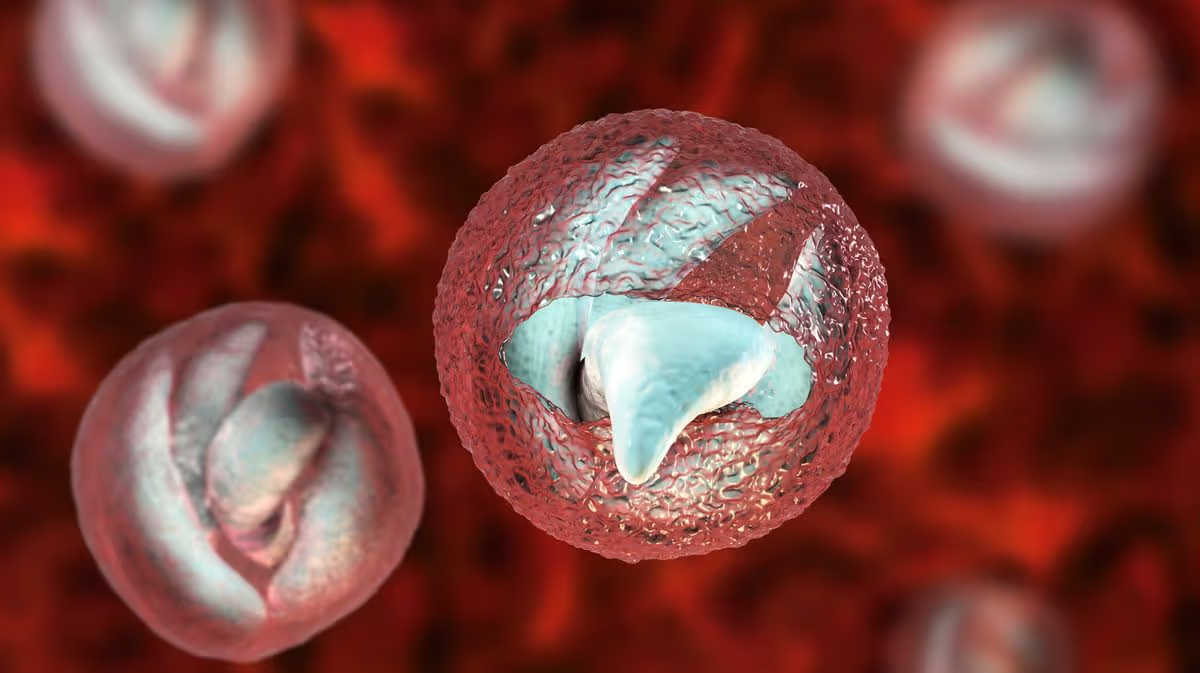
Cryptosporidiosis is caused by the Cryptosporidium parasite, often found in the environment and in the intestines of infected animals. The illness manifests through distressing and sometimes severe symptoms, including intense stomach cramps, prolonged diarrhoea, and vomiting. While adults can experience a debilitating illness, the infection poses a particularly serious risk to young children, whose smaller bodies can be more vulnerable to the effects of such pathogens. The seasonal pattern noted by health experts—a rise in cases during spring—aligns with increased public visits to farms and outdoor animal attractions.
Paragraph 3: The Human Impact and Response
Behind the statistics are personal stories of suffering. One affected mother has shared her experience of being hospitalised as a result of the infection, highlighting the potential severity beyond typical discomfort. In response, NHS Lothian is mobilising its resources across hospital and primary care settings to monitor and manage any further cases promptly. Public health consultant Dr. Graham Mackenzie emphasised the ongoing vigilance, stating that the health authority is prepared to ensure all affected individuals receive appropriate and timely care as the investigation unfolds.
Paragraph 4: Routes of Transmission and Prevention
The parasite is transmitted through what is known as the fecal-oral route. Infection can occur not only through direct touching or petting of animals but also indirectly through contact with contaminated surfaces—fields, fencing, gates, or buildings where animals have been present. This underscores that risk is not limited to animal handling alone. The cornerstone of prevention, as strongly advised by health officials, is rigorous hand hygiene. Thoroughly washing hands with soap and water after any farm visit or animal contact is a simple yet critical measure to break the chain of infection and protect families.
Paragraph 5: Collaborative Investigation and Farm Safety
The current situation involves a collaborative effort between NHS Lothian’s public health teams and environmental health officers working directly with Craigies Farm. This partnership aims to pinpoint the exact source of the outbreak, review the farm’s hygiene and animal management protocols, and implement any necessary measures to prevent further spread. Such incidents serve as a sobering reminder for all farm attractions about the essential balance between providing engaging educational experiences and maintaining stringent health safeguards to protect visitors.
Paragraph 6: Public Awareness and Moving Forward
While this is a breaking news story, its implications extend beyond immediate headlines. It serves as a vital public awareness moment about the risks associated with animal contact and the importance of personal hygiene in such settings. For parents planning family outings, it reinforces the need to be proactive about handwashing and to monitor children’s health after such visits. As the community awaits further findings from the investigation, the priority remains the recovery of those affected and the reinforcement of practices that ensure farm visits can continue to be both enjoyable and safe for everyone.