


Here is a humanized and expanded summary of the provided content, structured into six paragraphs as requested.
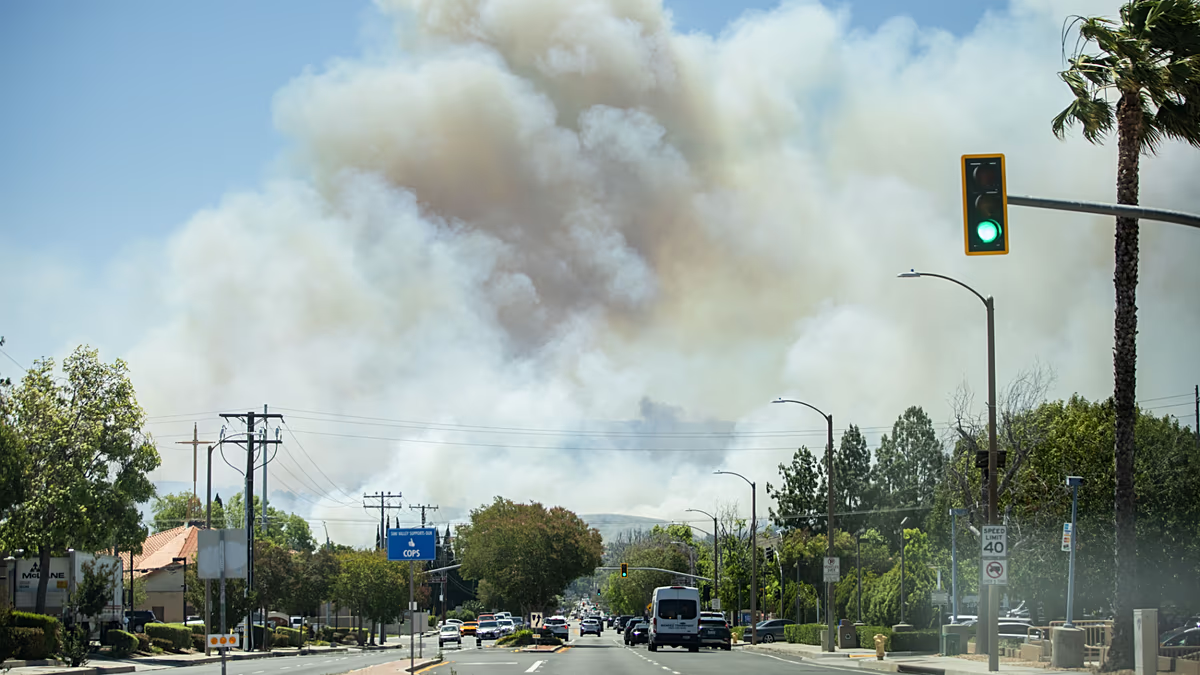
The Monday morning calm in Southern California was shattered as a new brush fire erupted, swiftly transforming a routine day into a scene of urgent emergency. Reported shortly after 10 a.m., the blaze demonstrated a frightening rate of growth, exploding across more than 180 acres in just under two hours. This rapid expansion, fueled by the region’s characteristic dry vegetation, immediately signaled to fire officials that this was no minor incident. The clock was ticking from the very first alarm, with the fire’s behavior suggesting the potential for a major crisis, threatening to disrupt lives and consume the picturesque, yet vulnerable, landscape of the area.
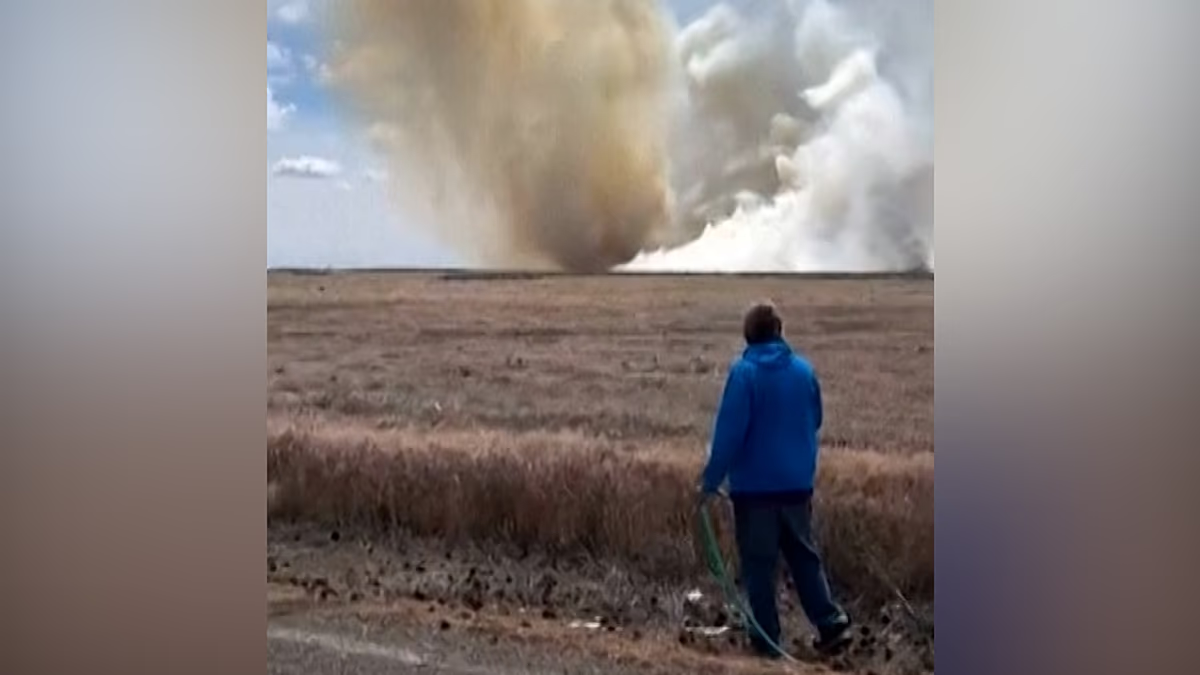
The fire found a powerful ally in the local winds, which acted less as a weather pattern and more as a bellows, actively pushing the flames through tinder-dry hillsides. This partnership between flame and wind is the nightmare scenario for firefighters in this region, turning manageable pockets of fire into racing, unpredictable fronts. Crews were deployed with speed and precision, facing the daunting task of battling not just the fire itself, but the very conditions that give it life. Their strategy had to account for the wind’s fickle nature, which can shift direction without warning, dramatically altering the fire’s path and the scope of the danger in an instant.
A primary and immediate focus for these first responders became the protection of the suburban community of Thousand Oaks, which lies in the fire’s potential path. The terrifying sight of flames creeping along ridges above neighborhoods triggered precautionary evacuation orders for some residents—a jarring disruption that demands difficult, swift decisions. The mental calculus for families is harrowing: what to take, where to go, and the anxious hope that there will be a home to return to. Meanwhile, firefighters positioned themselves as a defensive line, concentrating immense effort on preventing the blaze from moving downhill, where it would encounter greater population density and more structures.
This fire is unfolding in a region all too familiar with such threats, an area where the geography itself is a recipe for wildfire. The combination of dense, parched brush—known as chaparral—and the notorious Santa Ana or sundowner winds creates a volatile environment where a single spark can escalate into a catastrophe. These conditions do not merely allow fires to spread; they encourage them to behave with an alarming intensity, jumping roads and creating their own weather systems. This context is crucial for understanding why a 180-acre fire by midday prompts such a massive and urgent response; history has shown that in these hills, today’s small ignition can be tomorrow’s devastating disaster.
The human cost of this rapid escalation became tragically clear with the confirmation that at least one home has been damaged by the advancing flames. This single statistic represents a profound personal loss—a lifetime of memories, a sense of security, and a personal sanctuary compromised. It underscores the very real stakes of the battle underway, transforming the fire from an abstract environmental event into a deeply personal crisis for affected families. It also serves as a stark reminder to those under evacuation orders of what they are racing to avoid, fueling both fear and gratitude for the firefighters working to shield other homes from the same fate.
As the afternoon progresses, the situation remains active and fluid. The fire is not yet contained, and its future path hinges on the unpredictable winds and the herculean efforts of fire crews on the ground and in the air. Evacuation orders stand as a sobering testament to the ongoing threat, while the damaged home illustrates the potential for further loss. For the residents of Southern California, this Monday serves as another tense chapter in a long history of coexisting with wildfire, a day of vigilance, resilience, and community support in the face of a powerful and indiscriminate force of nature. The coming hours will be critical in determining whether this event becomes a narrowly managed incident or escalates into a more widespread emergency.