

Bolivia is once again in turmoil, as thousands of supporters of former president Evo Morales surged into the capital city of La Paz on Monday. Their arrival marked the culmination of a six-day, grueling march through the Andes, transforming simmering discontent into a direct and volatile confrontation in the heart of the nation. This mass mobilization underscores the deepening political and social fissures within Bolivia, driven by a severe economic crisis that has left many citizens feeling desperate and abandoned.
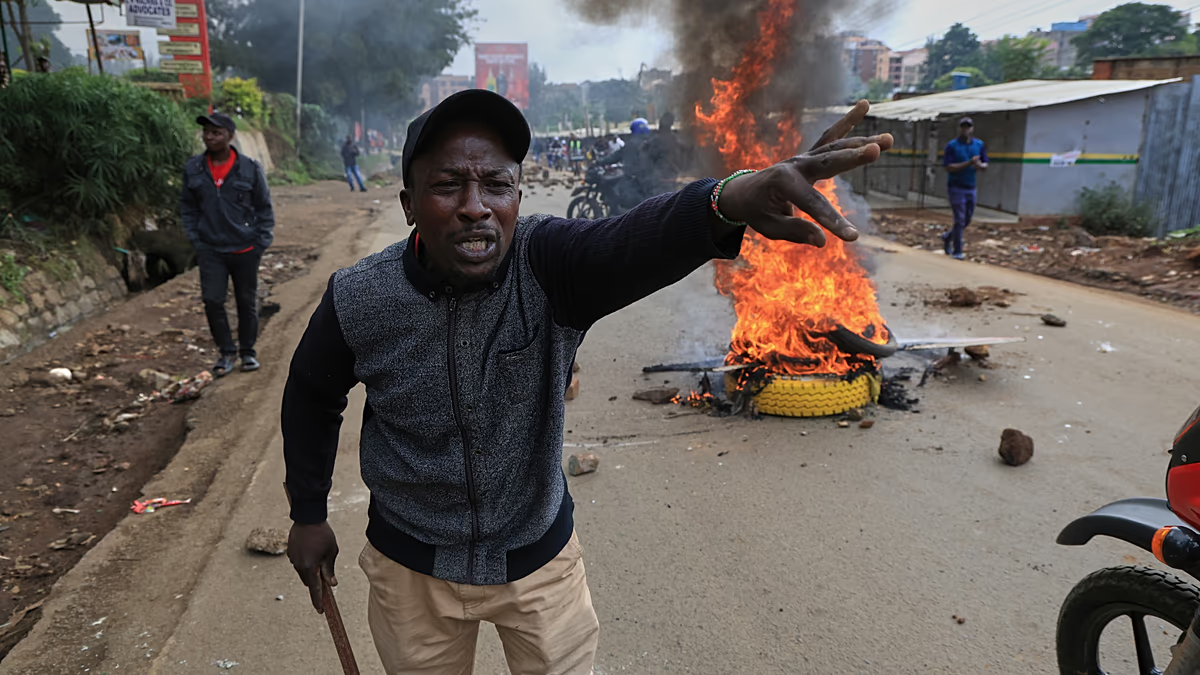
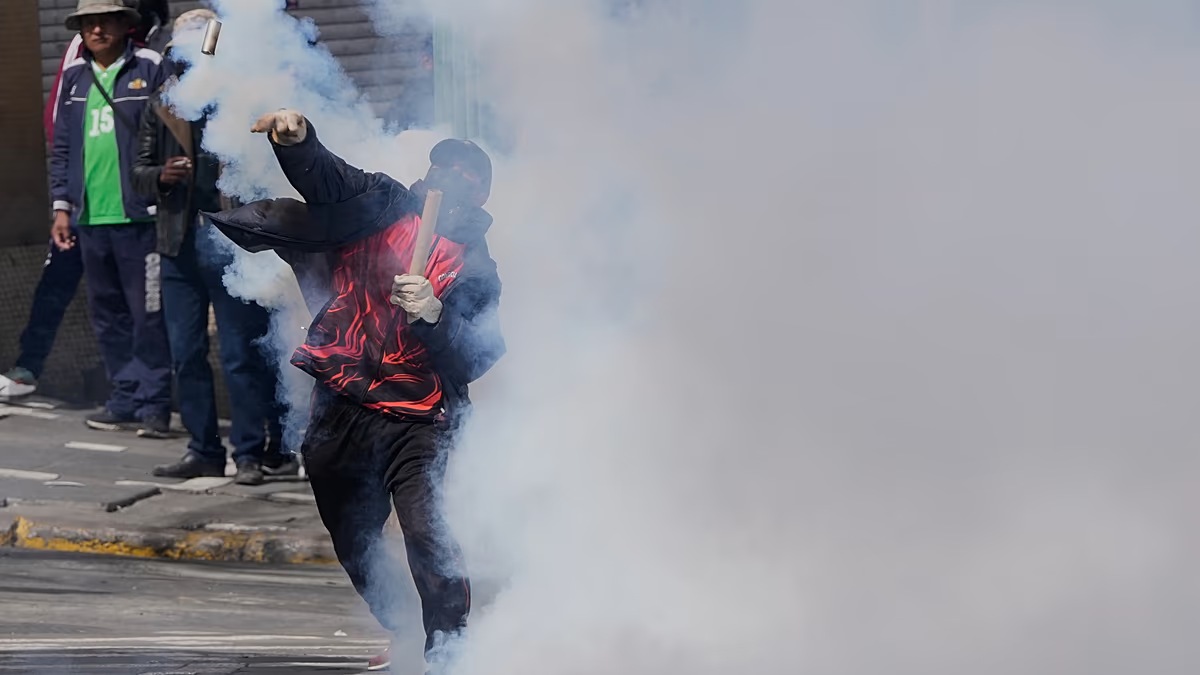
The atmosphere in La Paz swiftly escalated from protest to conflict. Demonstrators clashed violently with riot police, with reports of tear gas and dynamite blasts echoing through parts of the capital. This stark scene illustrates not just the depth of public anger, but also the precarious state of civil order. The protesters’ core demand is the resignation of current President Rodrigo Paz, whose government is buckling under mounting pressure from rampant inflation, acute fuel shortages, and a critical lack of US dollars. These economic failures have become a rallying point for widespread opposition, channeling popular frustration into a focused political target.
The crisis has been building for weeks through a relentless campaign of civil disobedience. Roadblocks, orchestrated primarily by groups aligned with Evo Morales, have crippled transportation across the country for over two weeks. The strategic blockades have stranded countless trucks, creating a domino effect of scarcity. Essential supplies—including food, fuel, and crucial medical provisions—are now running dangerously low in many areas, turning an economic crisis into a humanitarian one. These tactics have effectively brought the nation’s logistical arteries to a standstill, demonstrating the organizers’ power to paralyze daily life and intensify pressure on the government.
In response to this sustained disruption, authorities have taken a firm, and at times forceful, stance. Efforts to clear the pervasive roadblocks have led to significant confrontations, resulting in at least 90 arrests according to official statements. This law enforcement action highlights the government’s struggle to regain control and restore basic order, but it also risks further inflaming public sentiment. Each arrest and clash potentially adds new grievances to the existing pool of resentment, creating a cycle where enforcement measures may only strengthen the resolve and legitimacy of the protest movement.
Looking beyond the immediate street battles, the situation represents a profound national challenge. Bolivia is caught in a tug-of-war between a powerful, mobilized political faction rooted in Morales’s legacy and a besieged administration attempting to govern amid compounding crises. The protests are more than a demand for a change in leadership; they are a manifestation of a bitter struggle over the country’s direction and a cry for help from populations bearing the brunt of economic collapse. The shortages and inflation are not abstract policy failures but daily realities eroding the quality of life for ordinary Bolivians.
Ultimately, the march into La Paz is a vivid symbol of Bolivia’s ongoing instability. The clashes, blockades, and arrests are the surface symptoms of a deeper ailment: a nation grappling with severe economic distress and polarized political identities. As demonstrators occupy the capital and supplies dwindle nationwide, the path forward remains fraught. Whether this pressure will force a political resolution or lead to further escalation and hardship is the urgent question facing all Bolivians. The coming days will test not only the government’s resilience but also the country’s capacity to find a peaceful and sustainable path out of this deepening crisis.