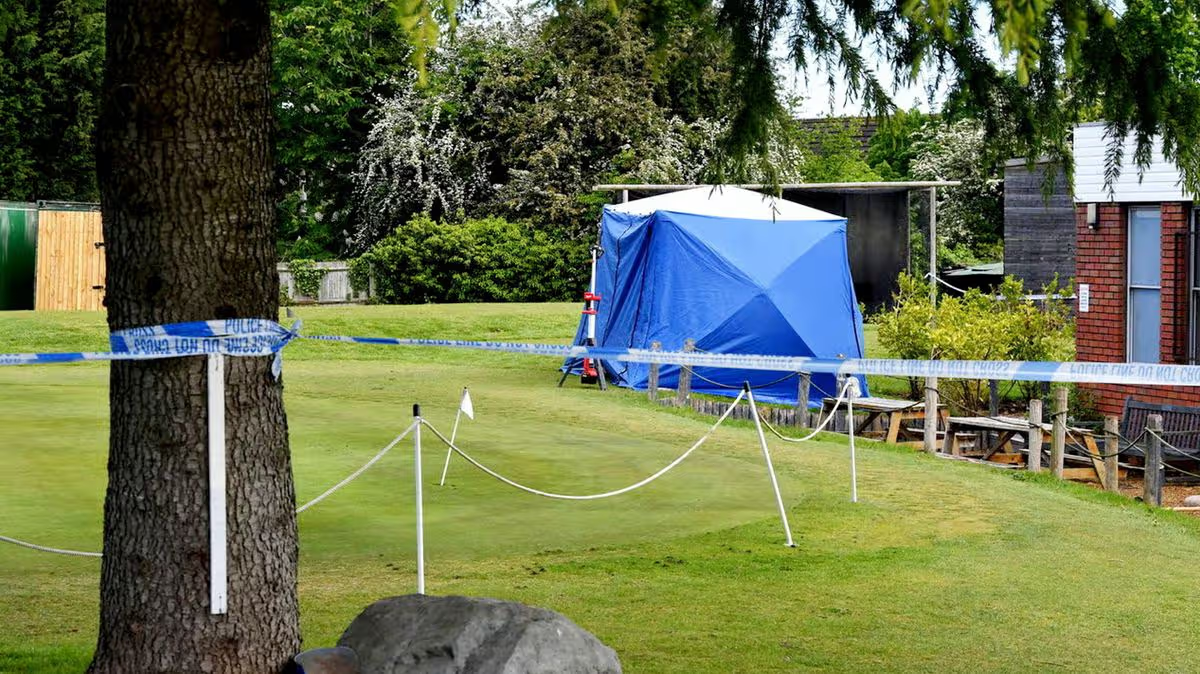
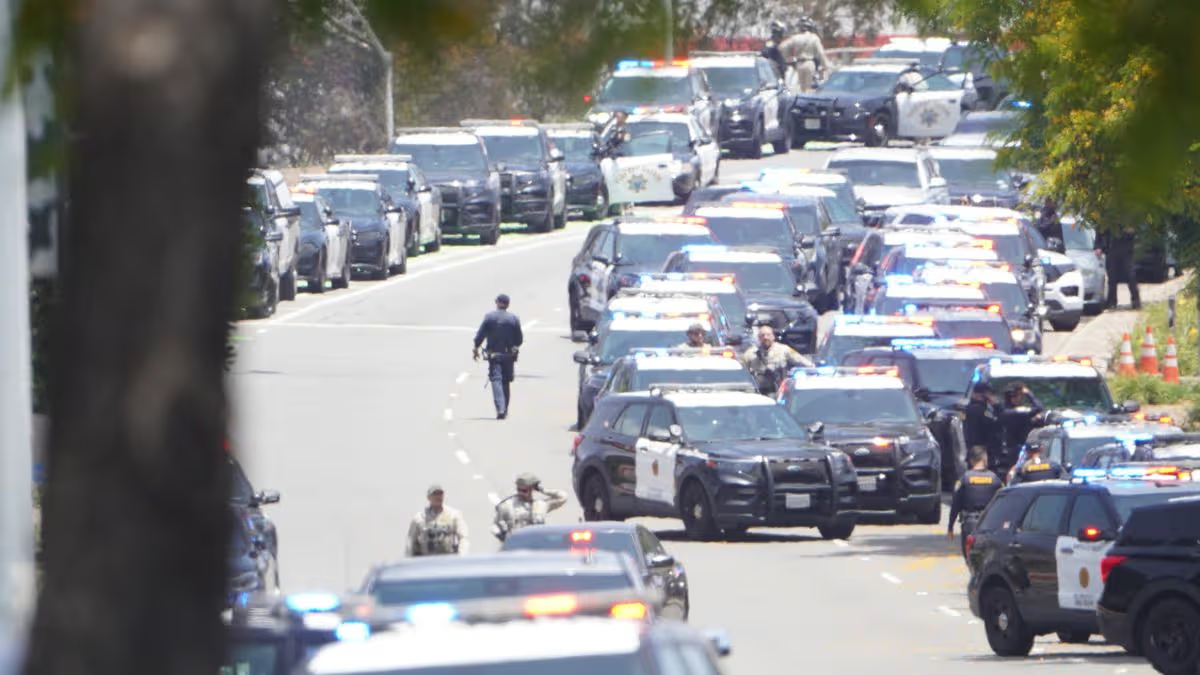



The horrific shooting at the Islamic Center of San Diego, which is also home to a community school, sent immediate shockwaves through the surrounding neighborhood, triggering emergency protocols. As the situation unfolded in real time, the profound implications for the city’s youngest and most vulnerable residents became a paramount concern. Nearby schools were swiftly placed into a protective lockdown, a jarring and frightening experience for students and staff forced to confront the reality of violence encroaching upon their daily lives. This act of securing classrooms, while necessary, underscored the tragic normalization of such lockdown drills and the profound impact such events have on a community’s sense of safety and sanctuary, particularly in spaces dedicated to learning and growth.
In direct response to this trauma, the San Diego Unified School District moved quickly to mobilize a crucial support system. The district announced that counselors would be made available to pupils and families affected by the attack, recognizing that the psychological aftershocks of such violence can be deep and long-lasting. Superintendent Fabiola Bagula, addressing the community late on Monday, extended this care beyond the immediate circle, encouraging all parents to reach out to their child’s school if they sensed a need for additional support. This proactive outreach is a vital first step in healing, acknowledging that grief, fear, and anxiety do not adhere to strict boundaries and can touch students even those not physically present at the scene.
Superintendent Bagula offered particularly poignant guidance for families navigating this difficult moment in the digital age. “With ongoing media coverage,” she noted, “our young people may also be processing difficult images, language, or information online.” This statement captures a modern dimension of collective trauma, where the relentless news cycle and social media streams can become a secondary source of distress, replaying the horror and exposing children to hateful rhetoric. Her advice to caregivers was both simple and profound: to intentionally check in with their children, to create a safe and open space for them to share their feelings, and to not underestimate the power of a listening, compassionate presence amidst the noise.
The superintendent’s message culminated in a powerful and necessary moral declaration for the entire educational community. “We stand firmly against Islamophobia and hate in all its forms,” she stated, “and remain committed to building a community rooted in belonging, dignity, and care for one another.” This was far more than a standard condemnation; it was a public reaffirmation of core values aimed directly at countering the bigotry that likely motivated the attack. For Muslim students, families, and staff, these words, backed by the promise of counseling and support, serve as a critical affirmation that they are seen, valued, and protected members of the school community, especially when their place of worship has been violated.
The targeting of a center that combines faith, education, and community—a place where children learn both academic and spiritual lessons—strikes at the very heart of civic life. The district’s response, therefore, must be understood as an integrated effort to address the practical, emotional, and ideological damage done. By providing psychological resources, it tends to the immediate wounds of fear. By guiding parents through media literacy and emotional check-ins, it empowers the home front. And by taking an unambiguous stand against Islamophobia, it actively defends the inclusive environment necessary for all students to learn and thrive.
In the days and weeks to follow, the true test will be in the sustained application of this commitment. The availability of counselors, the vigilance of teachers, and the conscious cultivation of empathy in classrooms will be the ongoing processes that translate statements of principle into a lived reality of recovery. The shooting at the Islamic Center is a stark reminder of the hatred that persists, but the unified response from the educational community models the antidote: a deliberate, compassionate, and steadfast practice of care, ensuring that every child feels a sense of belonging and safety as they work to make sense of a senseless act.