



Here is the humanized and expanded summary, structured into six paragraphs as requested.
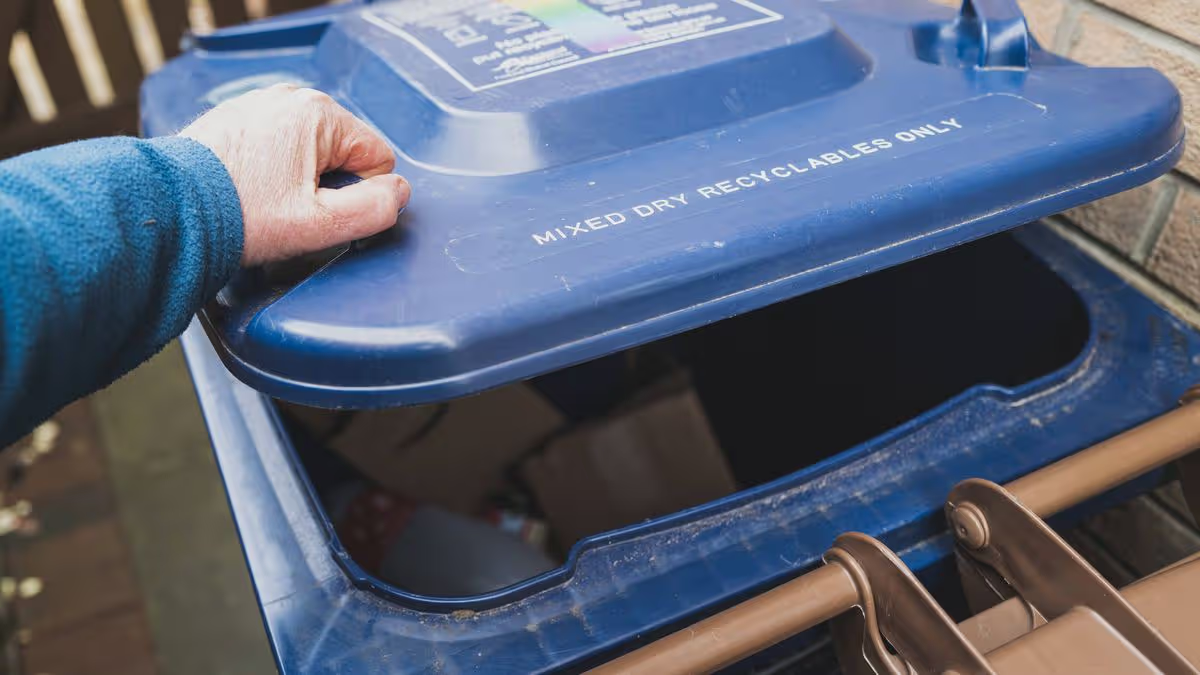
Navigating the complexities of neighbourhood living often involves navigating shared spaces and resources, and few things spark domestic irritation quite like the humble wheelie bin. Many of us have experienced the minor vexation of lifting the lid to find an unexpected bag of rubbish deposited by an anonymous neighbour. While a one-off act might be dismissed as thoughtless, repeated incidents—especially when they lead to missed collections, extra charges, or foul-smelling overflow—can quickly escalate from a petty annoyance into a source of serious conflict and understandable frustration. This common scenario raises a pressing question for homeowners and tenants alike: what legal and practical recourse do you have when your assigned bin is persistently used by others?
The framework for managing this issue is established by local authority regulations across the UK. Crucially, your household bins are not communal property; they are allocated to your specific address, and you, as the resident, bear the responsibility for ensuring waste is disposed of correctly within them. Councils possess clear authority to investigate complaints related to bins that are consistently overloaded, contaminated with incorrect materials, or otherwise misused. For instance, Manchester City Council explicitly states that residents should only place rubbish in their own allocated bins, warning that overflow creates environmental and hygiene hazards. Furthermore, they emphasise that contaminated recycling bins—those containing non-recyclable waste—may be left unemptied entirely, a policy that directly impacts the responsible householder.
While sneakily adding a single bag of general waste to a neighbour’s bin is not, in itself, a specific criminal offence, the repercussions of such behaviour can trigger significant legal and bureaucratic headaches. The primary danger lies in the consequences: if the misuse leads to your bin being too heavy, contaminated, or overflowing, it may not be collected. This forces you to deal with accumulating waste and potentially face penalties from the council for improper presentation. As Citizens Advice outlines, local authorities can issue fixed penalty notices for waste disposed of improperly or where it constitutes an environmental nuisance. Therefore, the act of dumping becomes a problem when its effects violate environmental protection statutes.
The issue of contamination is particularly critical, as highlighted by the charity Keep Britain Tidy. It remains one of the most damaging problems for recycling systems nationwide. When non-recyclable items are placed in a recycling bin—whether by you or a stealthy neighbour—it can contaminate an entire lorry load. This results in the whole batch being rejected from recycling facilities and sent to landfill or incineration instead, driving up costs for councils and ultimately, council tax payers. This collective impact underscores why many councils, like Leeds City Council, strictly advise residents not to remove or use bins not registered to their property, as it disrupts the entire waste management chain.
From a legal perspective, environmental law experts point out that persistent bin misuse can transcend simple discourtesy. If the behaviour is habitual and deliberate, it may be viewed as a form of anti-social behaviour or a private nuisance—a continuous interference with your use and enjoyment of your property. In severe, ongoing cases, this could provide grounds for council intervention under anti-social behaviour legislation or even lead to civil action between neighbours. The key is establishing a pattern. An isolated incident is unlikely to warrant such measures, but a documented history of misuse causing genuine detriment can form part of a broader, actionable neighbour dispute.
So, what is the most effective path forward? Experts and advice services universally recommend a stepped approach, beginning with calm, direct communication. A polite conversation with your neighbour can often resolve the issue, as they may be unaware of the problems their actions cause—such as contamination fines or missed collections. If diplomacy fails, the next step is diligent evidence gathering: take dated photographs of the misuse, overflow, or any resulting penalties. This documentation is vital if you need to escalate the matter to your local council’s waste enforcement team, who can then investigate and potentially take formal action. Ultimately, while the law offers protections, they are often activated by the consequences of bin misuse rather than the single act itself. Addressing the issue early and factually, before resentment builds, is almost always the most effective strategy for maintaining neighbourhood peace and ensuring your bins serve only your household.