


Part 1: The Spark of Discontent
The streets of Nairobi, typically a chaotic symphony of honking minibuses and hurried pedestrians, fell into a different kind of chaos. Protests erupted, not as a spontaneous outburst, but as the boiling-over of a deep-seated and widespread frustration. The immediate catalyst was a nationwide transport strike, a collective refusal by drivers and operators to bear the burden of another sharp increase in fuel prices. But this was about far more than petrol and diesel; it was about the crushing weight of a cost of living that has, for countless ordinary Kenyans, transformed from a challenge into an unbearable crisis. The strike was the organized response, but the protests that flowed into the streets were the raw, human expression of a populace feeling cornered by relentless economic pressure.
Part 2: A City Transformed
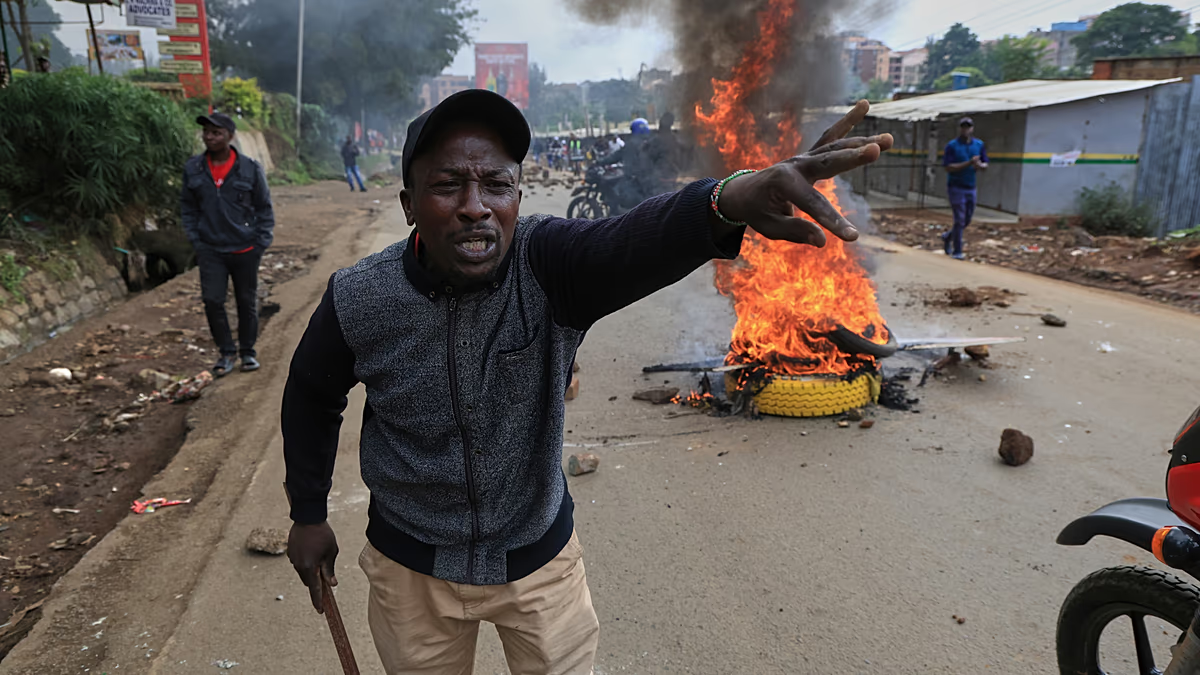
The visual tableau of the day was one of a city under siege by its own people. Major arteries, usually clogged with traffic, were instead blocked by burning tires, their acrid black smoke curling into the sky as potent symbols of anger. Bonfires lit up the roads, creating barriers of both light and heat. Through this haze, figures of protesters darted, their movements a mix of defiance and desperation. The soundtrack of commerce was replaced by the crackle of flames, shouting, and the heavy footsteps of those running through the smoke-filled streets. For many commuters, the city’s rhythm ground to a halt, leaving them stranded and underscoring how deeply interconnected public transport is to the daily survival of Nairobi’s workforce.
Part 3: The Clash and the Response
Inevitably, this display of public anguish met with the force of state authority. Police in riot gear moved to disperse crowds and reclaim the streets. The pop of tear gas canisters echoed between buildings, releasing clouds that stung eyes and lungs, forcing protesters to scatter with hands pressed to their faces. In a striking and somewhat anachronistic image, mounted police were also deployed, their presence adding a layer of overwhelming physicality to the confrontation. Scuffles broke out, and arrests were made—individual stories of conflict swallowed by the larger narrative of the day. These scenes, captured on phones and broadcast worldwide, became the stark visual evidence of a nation grappling with its pain.
Part 4: The Human Story Behind the Headlines
To view this solely as a riot would be to miss the profound human reality at its core. Behind every thrown stone and every burning tire is a person facing impossible arithmetic. A mother calculating how the rise in matatu fare eviscerates her already tight food budget. A driver who sees his entire daily earnings now consumed by fuel costs, leaving nothing for his family. A student wondering how they will afford the commute to class. The fuel price hike was not an abstract economic indicator; it was the final domino in a long line of falling dominoes—rising costs of food, housing, and basic necessities. The protest was, in essence, a collective cry that the math no longer works, that the strain has snapped the fragile wire of resilience.
Part 5: The Ripple Effects of Disruption
The impact of such a strike and protest radiates far beyond the immediate clashes. The paralysis of public transport strangles the city’s economic lifeblood. Employees cannot reach their jobs, customers cannot reach markets, and goods cannot move freely. Daily wage earners face the double blow of lost income and heightened expenses. The disruption exposes the precariousness of an economy where so many live hand-to-mouth, and how a single point of failure—like transport—can cascade into widespread personal and financial crisis. This shared experience of stranded commuters, from office workers to domestic helpers, forged a common, if reluctant, understanding among the city’s diverse populace about the depth of the problem.
Part 6: A Pleas for Acknowledgment
Ultimately, the scenes in Nairobi transcend a simple dispute over policy. They are a visceral plea for dignity and acknowledgment. The burning tires are a signal fire, meant to be seen. The blocked roads are a forceful demand to be heard. The protesters, in their dangerous and disruptive dance with authority, are asserting that their suffering is real, tangible, and can no longer be ignored or dismissed through statistics or political rhetoric. They are calling for a recognition that economic decisions have human consequences, and that there is a breaking point beyond which people feel they have nothing left to lose but their silence. The question hanging in the tear gas haze is whether this painful display will translate into a meaningful dialogue that addresses the profound and daily struggles of making ends meet.