

In a striking example of how viral internet fame can have unintended and disruptive consequences, two American men were arrested in Japan following a misguided stunt at a zoo. The incident occurred at the Ichikawa City Zoo, outside Tokyo, which had recently become a major tourist draw. The catalyst for this surge in visitors was not a rare animal, but a baby Japanese macaque named Punch, who captured global hearts online. This blend of digital celebrity and real-world tourism set the stage for the trespass that led to the arrests, highlighting a growing tension between the pursuit of online attention and public decorum.
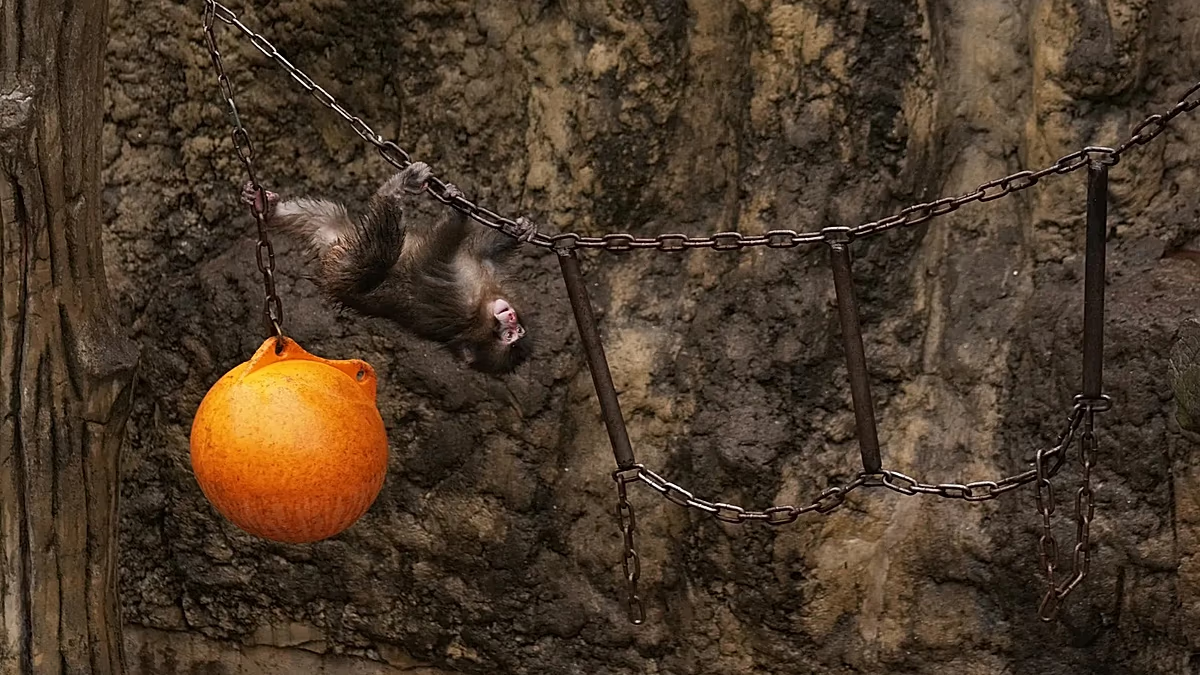
The heart of the story began months earlier with Punch’s poignant tale. Born in July and rejected by his mother, the infant monkey was raised by zookeepers in an artificial environment. In a move that resonated deeply online, the zoo shared photos of the tiny macaque finding solace by clutching a small IKEA plush orangutan. The image of this vulnerable animal “hanging in there” sparked an outpouring of sympathy, creating a devoted fanbase using the hashtag #HangInTherePunch. His journey to rejoin his troop became a closely followed narrative, transforming the once-quiet city zoo into a pilgrimage site for both domestic and international fans, all eager to catch a glimpse of the internet’s favorite primate.
This backdrop of intense attention made the zoo a target for those seeking their own slice of viral notoriety. On a Sunday, a 24-year-old American man, identifying himself as a college student, scaled a fence and dropped into the dry moat surrounding the monkey enclosure. He was accompanied by a 27-year-old companion, who identified as a singer and was filming the act. In bizarre attire, including a mask with a smiley face and sunglasses, the intruder prompted the monkeys, including Punch’s troop, to scatter in alarm. While officials stated the men did not get close enough to physically harm any animals, their invasion of the animals’ space was a serious breach. Zoo staff quickly apprehended them before police arrived on the scene.
The legal repercussions were swift. The two men were arrested and now face charges of forcible obstruction of business, a serious allegation in Japan that relates to disrupting the lawful operations of a commercial entity. According to a police official speaking anonymously to AFP, the duo compounded their situation by failing to carry formal identification and initially attempting to lie about their names. They have refuted the charges, but the incident underscores Japan’s low tolerance for behavior that disrespects public order and private property, especially from foreign visitors. This arrest is part of a broader pattern the country has seen amid a record influx of tourism, where a small minority of visitors engage in reckless acts for online content.
Indeed, this stunt is not an isolated event but fits into a troubling trend of foreign content creators causing disturbances in Japan. Just last year, a popular Ukrainian YouTuber was arrested for trespassing and livestreaming from inside a home in the Fukushima nuclear exclusion zone. In 2023, an American livestreamer known as Johnny Somali was also arrested for allegedly intruding on a construction site. These incidents have fueled growing frustration among some Japanese residents, who have become weary of what they perceive as disrespectful and unruly behavior from a subset of tourists who prioritize generating sensational online content over cultural sensitivity and lawfulness.
Ultimately, this episode serves as a cautionary tale about the collision between digital culture and the physical world. The viral fame of a baby monkey named Punch brought joy and attention to a local zoo, but it also inadvertently made it a stage for a dangerous and illegal performance. The arrests of the two Americans reflect a societal pushback against the notion that any space is merely a backdrop for content, especially when it threatens the welfare of animals and disrupts public institutions. It is a reminder that the pursuit of clicks and views carries real-world responsibilities and consequences, and that genuine appreciation for a place and its inhabitants should never be sacrificed for a fleeting stunt.