




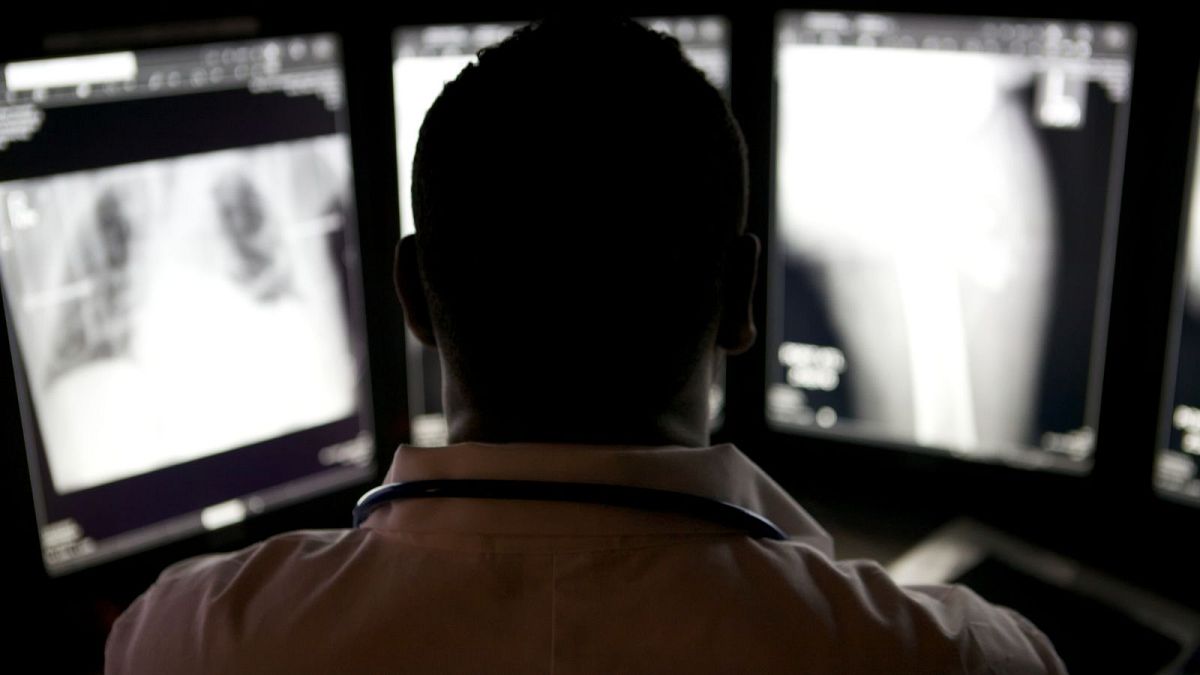
A recent study published in the journal Radiology delves into the nuanced relationship between physicians’ diagnostic accuracy and their trust in AI-generated advice during the interpretation of chest X-rays. Conducted by a team of researchers in the United States, the study involved 220 physicians, including both radiologists and doctors from internal and emergency medicine backgrounds. These participants were presented with chest X-rays accompanied by suggestions from an AI assistant. The study aimed to compare the impact of two types of AI advice—local explanations, where the AI highlights specific areas of interest, versus global explanations, which provide context through images from similar past cases—on the accuracy of diagnoses.
The findings indicated that local explanations significantly enhanced diagnostic accuracy and reduced the time needed for interpretation when the AI advice was correct. When the AI provided accurate suggestions, physicians utilizing local explanations reached a diagnostic accuracy rate of 92.8%, whereas those using global explanations achieved an accuracy rate of 85.3%. Conversely, when the AI’s guidance was incorrect, the diagnosis accuracy plummeted for both explanation types, dropping to 23.6% for local explanations and 26.1% for global explanations. This stark contrast underlines the critical importance of well-designed AI tools in medical practice, helping to ensure that AI assists rather than hinders clinical decision-making.
A notable aspect of the study was the discovery of “automation bias,” which reflects the tendency of both radiologists and non-radiologists to trust local AI explanations, even when they were erroneous. This finding raises concerns about the potential for over-reliance on AI assistance, particularly in situations where the AI’s advice could mislead the diagnostic process. Dr. Paul H. Yi, one of the study’s co-authors, emphasized that the way AI explanations are structured can unknowingly influence the trust and decision-making behaviors of physicians, highlighting the need for careful design and implementation of AI tools in healthcare settings.
To mitigate the risks associated with automation bias, Dr. Yi offered various strategies, noting that physicians typically develop their decision-making frameworks through years of training, often relying on established routines or checklists to minimize variability and reduce the chances of making errors. However, the introduction of AI tools into clinical environments introduces new dynamics that could disrupt these established processes. Dr. Yi advocated for an adaptive approach where checklists evolve to integrate AI guidance, thereby fostering a synergy between human expertise and machine learning.
Furthermore, the study invites considerations regarding human-computer interaction in medical contexts, suggesting that factors such as stress and fatigue could play a significant role in how physicians interact with AI tools. Given the high-stakes nature of medical diagnostics, it becomes essential to understand how various constraints and psychological states can influence the effectiveness of AI in supporting clinical decision-making.
In summary, while AI holds transformative potential for enhancing the accuracy and efficiency of medical diagnostics, the findings of this study exemplify the complexities involved in integrating AI tools into clinical practice. The balance between leveraging AI insights and maintaining critical oversight is delicate; thus, ongoing research is vital to refining AI explanations and training physicians to effectively navigate the changing landscape of medical technology. A mindful approach towards designing AI tools and understanding their implications for human judgment will be essential for maximizing their benefits while minimizing potential pitfalls in the future of healthcare.