

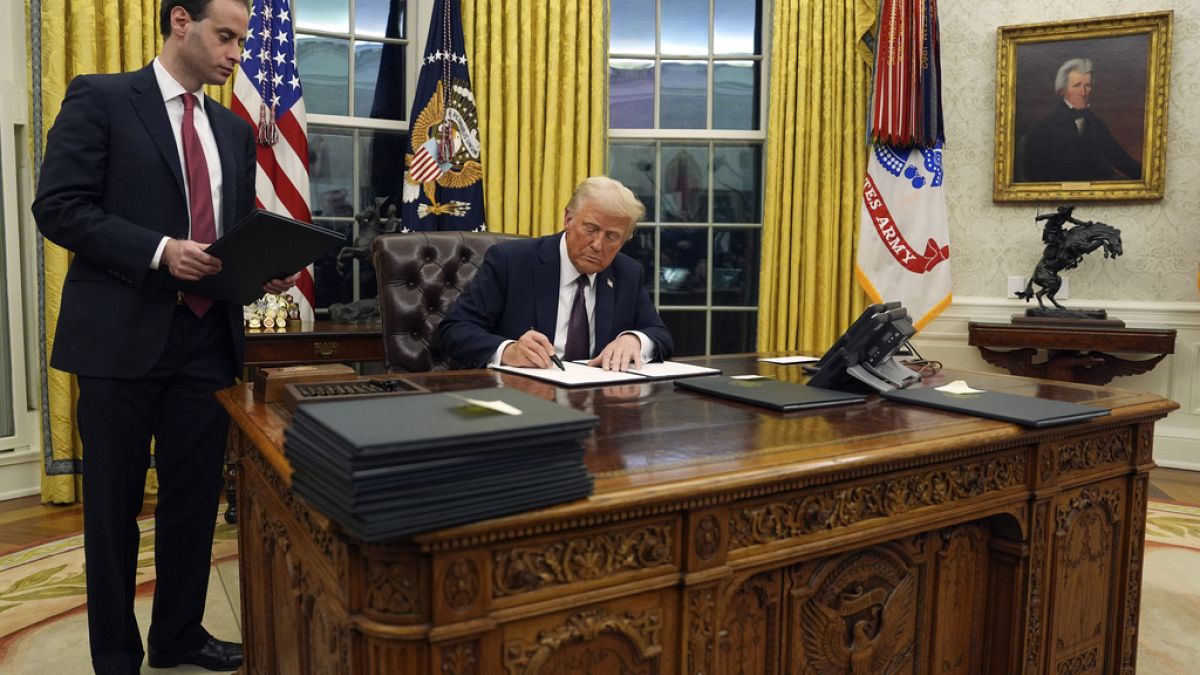
The Trump administration’s abrupt cessation of collaboration between the US Centers for Disease Control and Prevention (CDC) and the World Health Organization (WHO) has sent shockwaves through the global health community. This sudden halt, communicated via an internal memo, mandates that all CDC staff immediately cease engagement with the WHO through any means, including technical working groups, advisory boards, and cooperative agreements, effectively severing a critical link in international health cooperation. While the Trump administration had previously announced its intention to withdraw the US from the WHO, the immediate nature of this work stoppage surprised many, who had anticipated a more gradual disengagement. This abrupt action raises serious concerns about the potential impact on global health security, particularly in light of ongoing outbreaks and emerging threats.
The immediate consequences of this severed collaboration are multifaceted and potentially far-reaching. Experts warn that it will hinder efforts to investigate and contain outbreaks such as Marburg virus, mpox, and avian influenza, particularly in resource-limited regions like Africa. The CDC, with its world-renowned expertise and resources, plays a crucial role in supporting global health initiatives, including disease surveillance, outbreak response, and the development of new diagnostics and treatments. This sudden disruption jeopardizes the timely sharing of vital information and expertise, potentially delaying responses to emerging health threats and increasing the risk of wider spread. The collaboration between the CDC and WHO has been instrumental in past successes against infectious diseases, and its disruption could significantly hamper future efforts.
The decision to halt collaboration with the WHO is part of a broader pattern of the Trump administration’s retreat from global health initiatives. This includes the reinstatement of the Mexico City Policy, also known as the “global gag rule,” which restricts US funding for international organizations that provide abortion services or counseling. Furthermore, the administration has frozen funding for the President’s Emergency Plan for AIDS Relief (PEPFAR), a highly successful program that provides life-saving HIV/AIDS treatment to millions worldwide. These actions, coupled with the WHO withdrawal, signal a significant shift in US global health policy, raising concerns about the country’s commitment to international health cooperation and its leadership role in addressing global health challenges.
The CDC’s collaboration with the WHO has been a cornerstone of global health security, providing a crucial channel for information sharing, technical assistance, and collaborative research. The US, through the CDC, has contributed significant resources and expertise to the WHO, strengthening its capacity to respond to health emergencies and improve global health outcomes. The sudden cessation of this partnership undermines this established framework and threatens to weaken the global health architecture at a time when international cooperation is more critical than ever. The potential consequences extend beyond immediate outbreak response, impacting long-term efforts to strengthen health systems, improve disease surveillance, and develop effective public health interventions.
The abrupt halt to collaboration between the CDC and WHO has drawn criticism from public health experts, who warn of the potential negative impact on global health security. They emphasize the importance of international collaboration in addressing infectious disease threats, particularly in an increasingly interconnected world. The CDC’s expertise and resources have been invaluable in supporting global health initiatives, and their absence will undoubtedly be felt. The decision to sever ties with the WHO is seen as short-sighted and potentially harmful, undermining decades of progress in global health cooperation and jeopardizing future efforts to protect global populations from emerging health threats.
The sudden nature of the work stoppage has left many wondering about the long-term implications for US engagement in global health. While the administration has initiated the process of withdrawing from the WHO, the full implications of this decision remain unclear. The CDC’s immediate cessation of collaboration with the WHO, however, signals a significant shift in US policy and raises concerns about the country’s future role in international health efforts. The potential consequences for global health security are significant, and the international community will be watching closely to see how the US navigates this complex and evolving landscape. The hope remains that international cooperation and collaboration will prevail, recognizing the interconnected nature of global health and the shared responsibility to protect the health and well-being of all populations.