



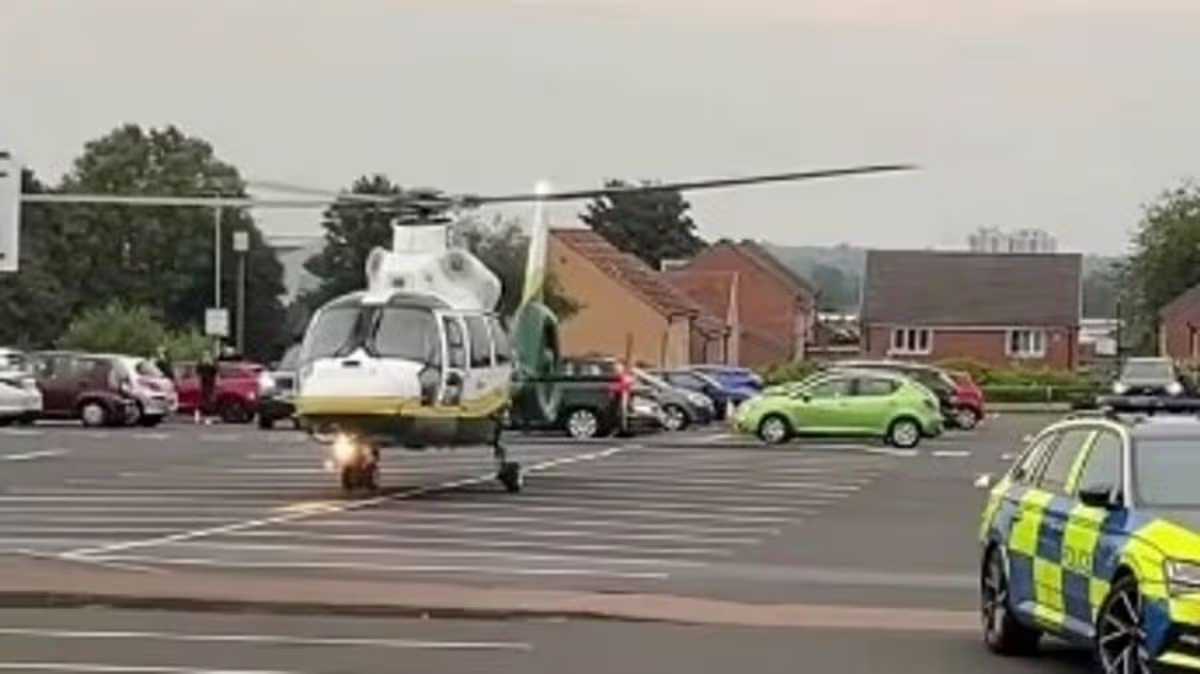
On a cool June morning in Newcastle, the familiar rhythm of Shields Road in the Byker neighbourhood was shattered by the urgent symphony of emergency response. A significant police presence, supported by the distinctive sight and sound of an air ambulance, descended upon the area in the early hours, marking the scene of a serious incident. A wide cordon was swiftly established, sealing off a substantial section of the street as officers worked meticulously behind the tape. The visible scale of the operation, with numerous emergency vehicles and personnel, signaled to the waking community that something grave had unfolded in the heart of their community overnight.
The North East Ambulance Service confirmed the gravity of the situation, stating that their crews, including the critical care team from the air ambulance, had responded to a “disturbance” and treated one individual who sustained serious injuries. The deployment of the air ambulance, a resource reserved for the most time-sensitive and life-threatening situations, underscored the urgent nature of the medical response required. While specific details regarding the nature of the disturbance or the condition of the injured person were not immediately released, the very presence of such a specialist asset speaks volumes about the immediate efforts undertaken to preserve life in those crucial first moments.
For the residents of Byker, the sight of their familiar local landscape transformed into a forensic scene is undoubtedly jarring. Shields Road is more than just a thoroughfare; it is a lifeline of local shops, bus routes, and daily comings and goings. To see it sectioned off by police tape, with the forensic examination likely to follow, introduces a profound and unsettling disquiet. The questions hanging in the air are palpable: What happened here? Is everyone safe? This sense of collective apprehension is a natural human response when the fabric of a close-knit urban community is abruptly torn by violence or crisis.
In the wake of such incidents, the work of the police extends far beyond the initial response. The cordon itself is not merely a boundary; it is a protected space where trained officers and forensic specialists piece together the narrative of the event. Every detail within that tape becomes potential evidence, a silent witness to be interpreted. This meticulous process is fundamental, not only for establishing the facts for any potential judicial proceedings but also for providing answers to a shaken community seeking understanding and reassurance that such events are being taken with the utmost seriousness.
As the investigation continues behind the scenes, the human impact resonates most deeply. Our thoughts foremost turn to the individual who was seriously injured and their loved ones, who are undoubtedly enduring a harrowing wait for news and facing a difficult road ahead. The emotional ripple effect also touches the neighbours, the local business owners, and anyone who calls Byker home, reminding us all of the fragile nature of our collective safety. In times like these, the strength of community bonds becomes paramount, as people check in on one another and share a collective hope for healing and clarity.
While the immediate urgency of the medical and police response has now transitioned into the deliberate phase of investigation, the story for Byker is far from over. The community will bear the memory of this day, and the journey toward a sense of normalcy will be gradual. The true narrative will emerge not just from official police updates in the coming days but from the quiet resilience of the neighbourhood itself. As the cordon eventually lifts and the traffic on Shields Road resumes its flow, the process of recovery and reflection begins, a testament to the enduring spirit of a community faced with the unforeseen.