


A Graceful Return: The Princess of Wales Rejoins the Royal Ascot Tradition
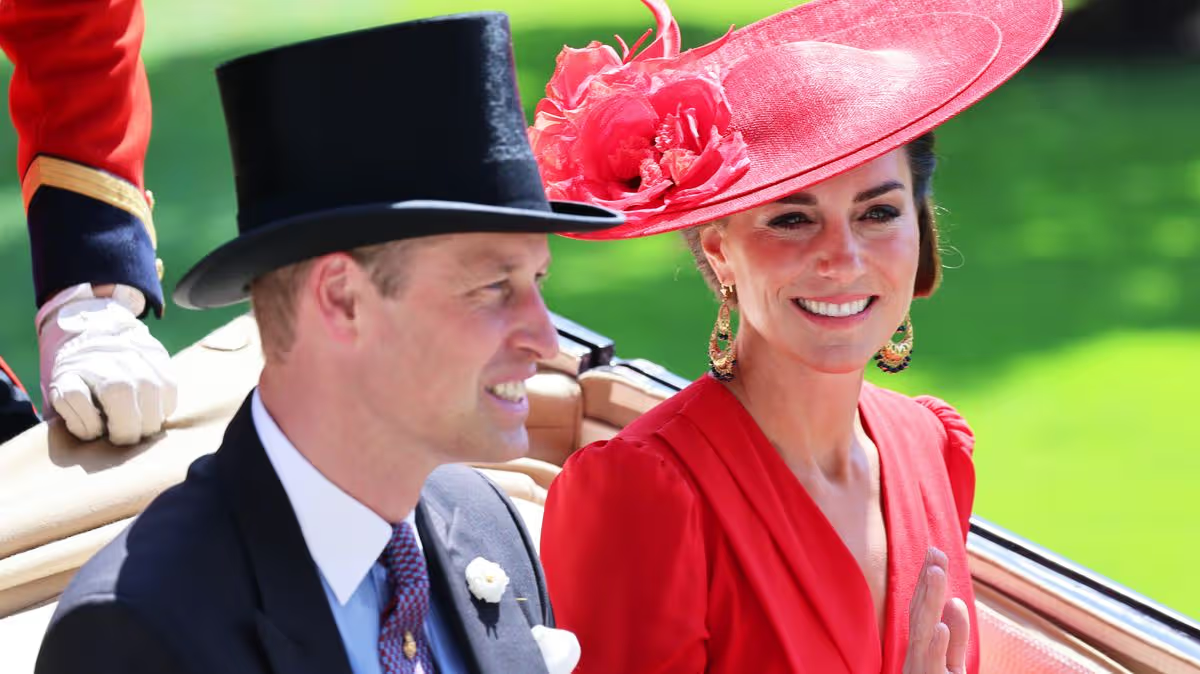
The sun-drenched lawns of Ascot Racecourse are set to witness a moment of particular significance and public delight today, as the Princess of Wales returns to the iconic Royal Ascot festival for the first time in three years. It has been confirmed that Catherine will take her place in the famed carriage procession alongside her husband, Prince William, marking a poignant and much-anticipated step in her gradual return to public life. Her presence today alongside King Charles and Queen Camilla represents not just a resumption of royal duties, but a symbolic reaffirmation of continuity and familial unity for the monarchy, following a period of profound personal challenge for the Princess.
The absence of the Princess of Wales from last year’s festivities was deeply felt, a quiet reminder of the private health battles she has been courageously facing. In 2024, she was unable to attend as she was undergoing preventive cancer treatment, a course of action she revealed with remarkable candour in a moving video address to the nation. Her non-appearance in 2025, despite her name appearing in the official programme, had sparked brief concern, though Kensington Palace clarified she had never been scheduled to attend. This context makes her appearance today all the more meaningful; it is a visual testament to her resilience and a moment her supporters have eagerly awaited. Her last Ascot outing in 2023 is remembered for her striking style—a vibrant red Alexander McQueen dress and a dramatic Philip Treacy hat—but this year, her mere presence will undoubtedly be the most powerful statement.
This year’s Ascot gathering is already infused with a sense of renewal and celebration for the Royal Family. Yesterday, King Charles and Queen Camilla, embodying steadfast duty, officially opened the festival. Leading the carriage procession, they were a picture of steadfast commitment, with Camilla opting for an elegant blue floral dress. The day was further brightened by the inclusion of the family’s newest member, as the King’s nephew, Peter Phillips, attended alongside his new wife, Harriet, following their recent Cotswolds wedding. The sight of the newlyweds sharing a glass of champagne in the royal box, beaming at one another, added a layer of personal joy to the formal proceedings, showcasing the blend of state occasion and family gathering that defines such events.
However, the whims of sport ensured the day was not without its mild disappointments, even for a King. The royal couple’s hopes for a victory on the track were dashed when their horse, Reaching High, was soundly beaten in the Ascot Stakes. Yet, the spirit of the event prevailed, with Charles and Camilla cheering on the competitors from the box alongside the Queen’s children, Tom Parker Bowles and Laura Lopes. The mixture of competitive anticipation, familial conviviality, and public spectacle captures the very essence of Royal Ascot—a unique British institution where sport, society, and ceremony seamlessly converge over five glamorous summer days.
The Princess’s return to such a prominent public forum occurs against a backdrop of ongoing concerns regarding her privacy and security. It was recently reported that a hospital worker from The London Clinic, where Catherine underwent abdominal surgery in early 2024, is facing a criminal prosecution following an investigation into the alleged accessing of her confidential medical records. This deeply disturbing breach, which led to the dismissal of three staff members, sent shockwaves through both the hospital and the palace, highlighting the intense and often invasive scrutiny faced by the Royal Family. That Catherine is stepping back into the public eye with such grace, despite these violations, underscores a profound commitment to her role and a desire to move forward, focusing on her duties and her recovery.
As the carriage procession makes its way along the track today, all eyes will rightly be on the Princess of Wales. Her attendance is more than a diary entry; it is a powerful, non-verbal communication of recovery, strength, and a return to the shared traditions that connect the monarchy to the public. Alongside her family—the King demonstrating his own unwavering service amid his cancer treatment, the Queen providing consistent support, and Prince William by her side—Catherine’s presence at Ascot weaves a narrative of perseverance. It is a chapter not of drama, but of quiet dignity, reminding us that the most stirring royal moments are often those of simple, steadfast return.