



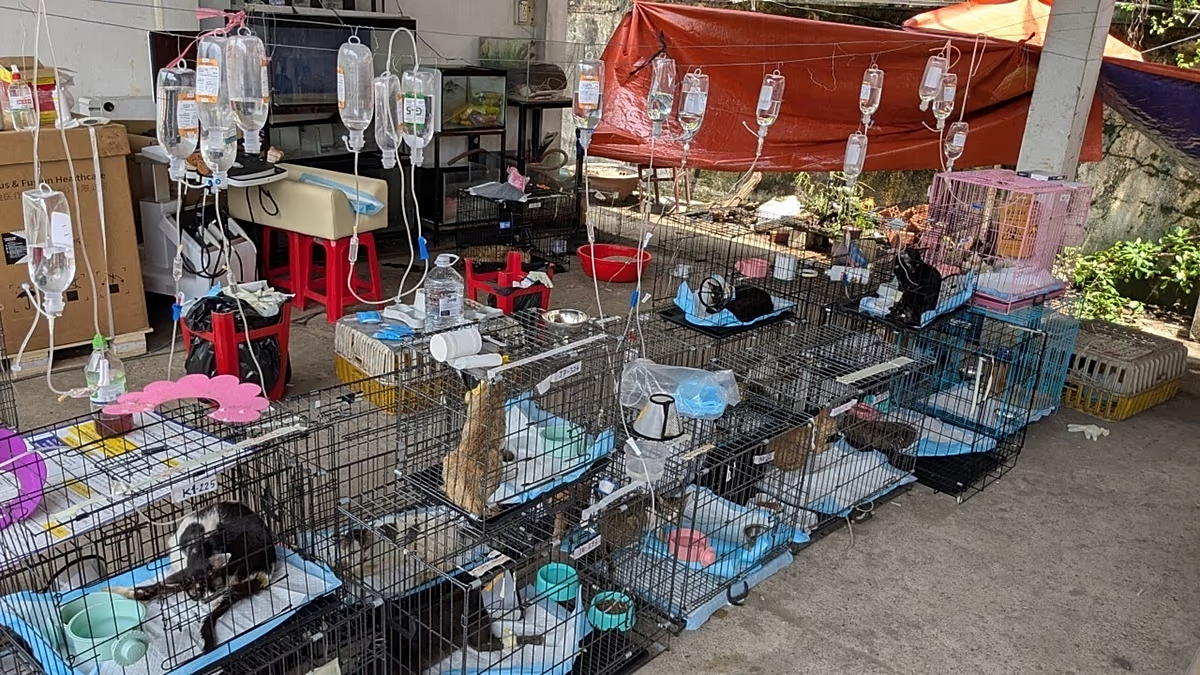
In the bustling heart of Ho Chi Minh City, a police investigation into a troubling pattern of pet thefts unfolded into a far-reaching operation that would bring a hidden and distressing industry to light. Following the trail of missing family companions, authorities zeroed in on a trafficking ring, ultimately dismantling a network involved in the illegal cat meat trade. The scenes they uncovered were harrowing: at multiple locations, hundreds of live cats were found crammed into cages, while dozens of others had already perished. In total, more than 500 cats were seized from these squalid conditions, a staggering number that laid bare the scope of the illicit operation. The raid resulted in the detention of nine individuals, marking a significant crackdown on an activity that thrives in the shadows of the city’s vibrant life.
For the rescued animals, the ordeal was far from over. The conditions they endured were so profoundly poor that, despite the swift action of the authorities, several cats succumbed to their suffering shortly after being liberated. The animal welfare organization Humane World for Animals stepped in to manage the immense task of caring for the traumatized survivors. In a heartening turn amidst the tragedy, their teams successfully reunited more than forty of the rescued cats with their frantic owners, who had likely given up hope of ever seeing their beloved pets again. Each reunion was a small victory, a poignant reminder that these were not anonymous commodities, but cherished members of families, stolen from homes and yards.
Campaigners and animal welfare advocates have heralded this intervention as one of the largest and most significant cat welfare cases in Vietnam in recent memory. It serves as a stark and undeniable spotlight on the scale of the country’s cat meat trade, an issue that groups like Humane World for Animals have worked tirelessly to combat. The trade, which supplies meat to certain restaurants and markets, often relies on the theft of pets and stray animals, causing widespread anguish in communities. This single raid, uncovering hundreds of victims, underscores the industrial-like volume of the practice and the sophisticated networks that sustain it, moving animals from streets and homes to holding pens and ultimately to slaughter.
The emotional and ethical dimensions of this trade are complex and deeply felt. For many Vietnamese, cats are treasured pets, intelligent and affectionate companions integral to family life. The theft of these animals is not merely a property crime but a profound violation that generates fear and heartbreak. Conversely, the consumption of cat meat, while not universally practiced and increasingly controversial, exists within certain regional culinary traditions. This clash between cultural practice, criminal enterprise, and evolving attitudes toward animal welfare creates a challenging social landscape where law enforcement, activists, and communities must navigate deeply held beliefs alongside concerns for compassion and legality.
The successful operation in Ho Chi Minh City represents a crucial step forward, demonstrating increased vigilance and commitment from law enforcement agencies to address this form of wildlife trafficking. It sends a powerful message that the illegal theft and trade of animals will be met with serious consequences. However, activists emphasize that enforcement alone is not a complete solution. Lasting change, they argue, requires a multifaceted approach combining stringent legal penalties, widespread public education campaigns about animal welfare, and the promotion of alternative sources of livelihood for those involved in the trade. The goal is to foster a societal shift where the suffering inherent in such trades is recognized and rejected.
Ultimately, the story of these hundreds of cats is a microcosm of a global struggle to redefine humanity’s relationship with animals. It is a tale of loss and reunion, of crime and justice, and of cultural reflection. While the rescued cats that returned home symbolize hope and the effectiveness of collaborative action, those that did not survive stand as a somber testament to the urgent work that remains. As Vietnam continues to evolve economically and socially, cases like this one prompt a necessary national conversation about compassion, legality, and the kind of coexistence communities wish to build with the animals who share their urban and domestic spaces. The path forward is challenging, but every life saved and every criminal ring dismantled lights the way.