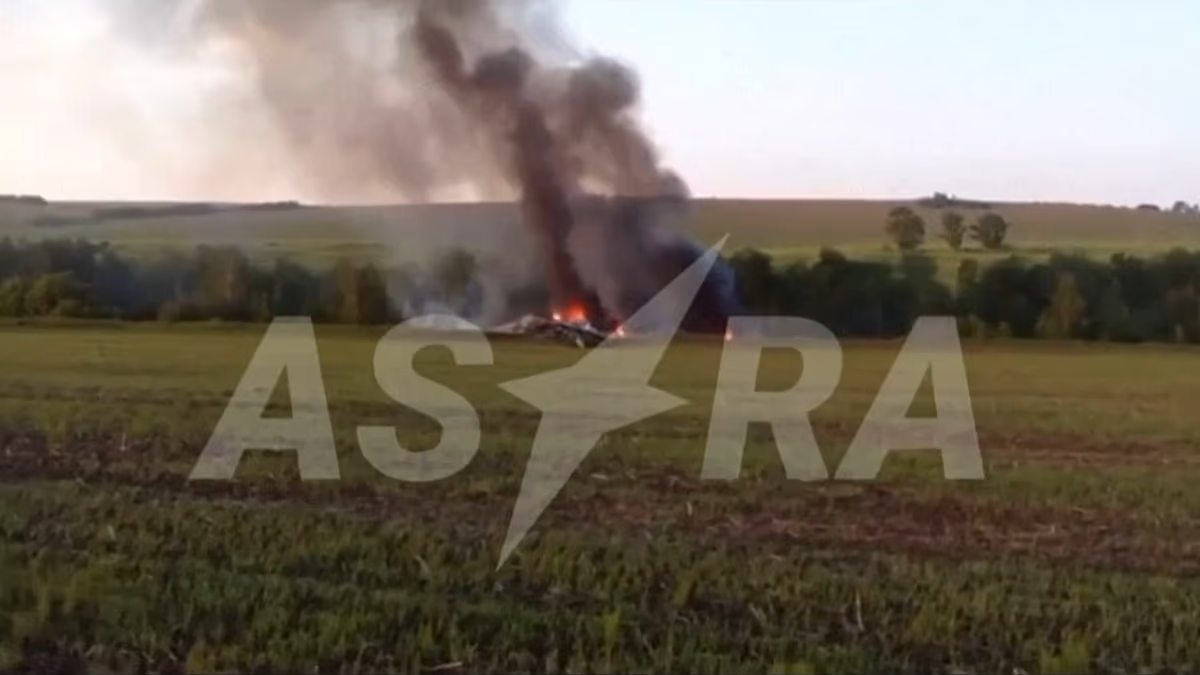




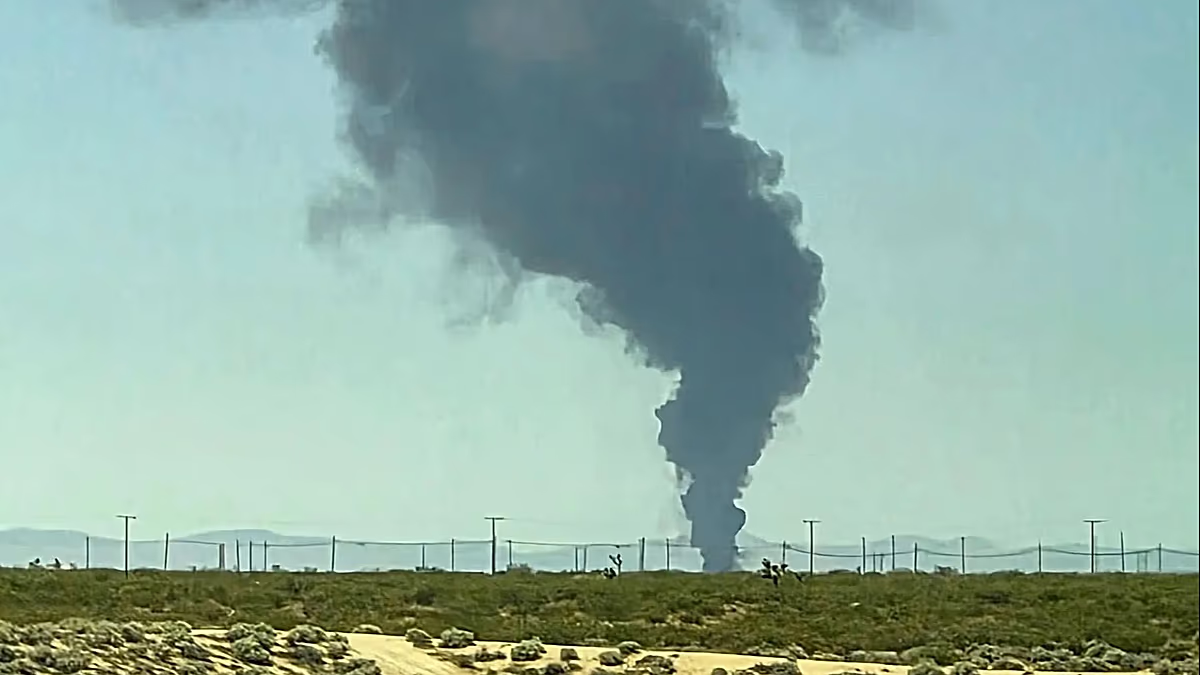
A profound tragedy has unfolded under the vast, blue skies of Southern California’s high desert. On what should have been a routine test mission, a mighty B-52 Stratofortress, a venerable symbol of American airpower for decades, crashed shortly after taking off from Edwards Air Force Base. The incident, which occurred on a recent Tuesday morning, ended not in a smooth return to the runway but in a catastrophic fireball. When the flames subsided, the grim reality was clear: all eight crew members aboard the aircraft had perished. This loss casts a long shadow over the tight-knit community of aviators and personnel at Edwards, a base synonymous with pushing the boundaries of flight, and serves as a somber reminder of the inherent risks undertaken in the name of national security and technological advancement.
The B-52 is no ordinary aircraft; it is a colossal testament to engineering endurance. With its origins in the Cold War era, the “BUFF” (Big Ugly Fat Fella, as it is affectionately known by its crews) was designed to carry the nation’s nuclear deterrent across the globe. Its distinctive silhouette, with eight powerful engines mounted on swept-back wings, has been a constant in the skies for over seventy years—a fact that speaks to both its robust original design and the meticulous, ongoing maintenance and upgrades performed by generations of service members. The crew aboard this flight were not merely passengers; they were highly skilled professionals—likely a mix of pilots, navigators, electronic warfare officers, and engineers—tasked with the critical duty of testing this aging yet vital platform. Their mission was essential to ensuring the aircraft’s continued readiness and safety, a cruel irony that deepens the sense of loss.
In the immediate aftermath, the base and the broader military community have swung into action with a heavy heart. Emergency responders rushed to the remote crash site, but the severity of the incident left no chance for rescue. The focus now, beyond caring for the grieving families and comrades of the fallen, is a meticulous and thorough investigation. A standard board of inquiry, involving experts from the Air Force and likely other agencies, will be convened. Their task is monumental and painstaking: to comb through every piece of wreckage, analyze flight data and voice recorders, review maintenance records, and interview ground crews and witnesses. The paramount goal is to answer the single, haunting question: what caused this veteran aircraft to fall from the sky? Until that process is complete, officials have rightly declined to speculate, stating only that the cause “remains under investigation.”
The impact of this disaster reverberates far beyond the charred scar on the desert floor. For the families of the eight service members, life has been irrevocably shattered. They are left to grapple with an abrupt, devastating goodbye, their loved ones departing for a day’s work never to return. The Edwards AFB community, a place where service and sacrifice are woven into the fabric of daily life, is now united in profound grief. Across the entire U.S. Air Force, and particularly within the bomber community, there is a palpable sense of mourning for the loss of these brothers and sisters in arms. Each name represents a career of dedication, a wealth of experience, and a personal story cut tragically short. Their sacrifice, made in the quiet execution of duty away from a battlefield, is no less honorable.
This event also casts a spotlight on the complexities and challenges of maintaining a fleet of legendary aircraft like the B-52, which are older than the parents, and sometimes even the grandparents, of the crews who fly them. While these aircraft are modernized with new electronics, weapons systems, and engines, the airframes themselves have endured decades of stress. This crash will inevitably prompt difficult but necessary questions about the aging aviation infrastructure, the intensity of operational and testing tempos, and the long-term sustainability of these vintage platforms. The investigation’s findings will be scrutinized not just for immediate causes, but for broader lessons that could affect the entire fleet, ensuring that these sentinels of the sky can continue to serve safely.
As the investigation proceeds silently and methodically, the nation is left to honor the fallen. They were not just eight casualties in a news bulletin; they were individuals—aviators, engineers, sons, daughters, spouses, and friends—who embodied the spirit of service. Their final mission, though ending in tragedy, was part of the essential, unglamorous work of keeping the nation’s defenses credible and secure. In the coming days, as the flags fly at half-staff and memorials are planned, we must look beyond the stark headlines of the crash. We must remember the human endeavor, the skill, and the courage inherent in military flight test operations. The legacy of these eight souls is now forever linked to the enduring story of Edwards Air Force Base, a place where the history of aviation is written, sometimes in triumph, and, as in this heartbreaking instance, in profound sacrifice.