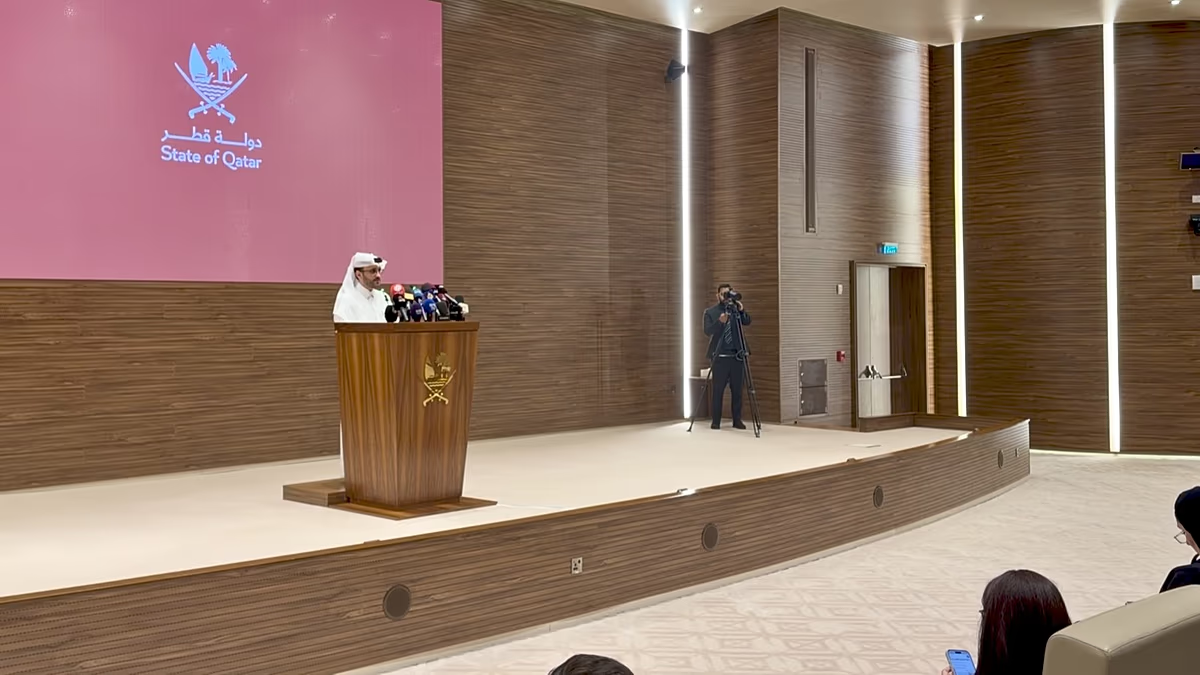


In the wake of a devastating regional conflict, a fragile but significant breakthrough emerged on the global stage. Qatar’s Foreign Ministry spokesperson, Dr. Majed Al Ansari, captured the prevailing mood in Doha with measured hope, stating, “We are cautiously optimistic.” His comments welcomed the anticipated framework agreement between the United States and Iran, set to be signed in Geneva. This moment, he stressed, was a cause for tentative relief—a first step on a long road rather than a final destination. While acknowledging the profound challenges ahead, Al Ansari allowed for a brief pause to appreciate the progress, marking a potential turning point after months of turmoil. This sentiment underscored a region weary of conflict but all too aware that the hardest work of building a lasting peace still lay ahead.
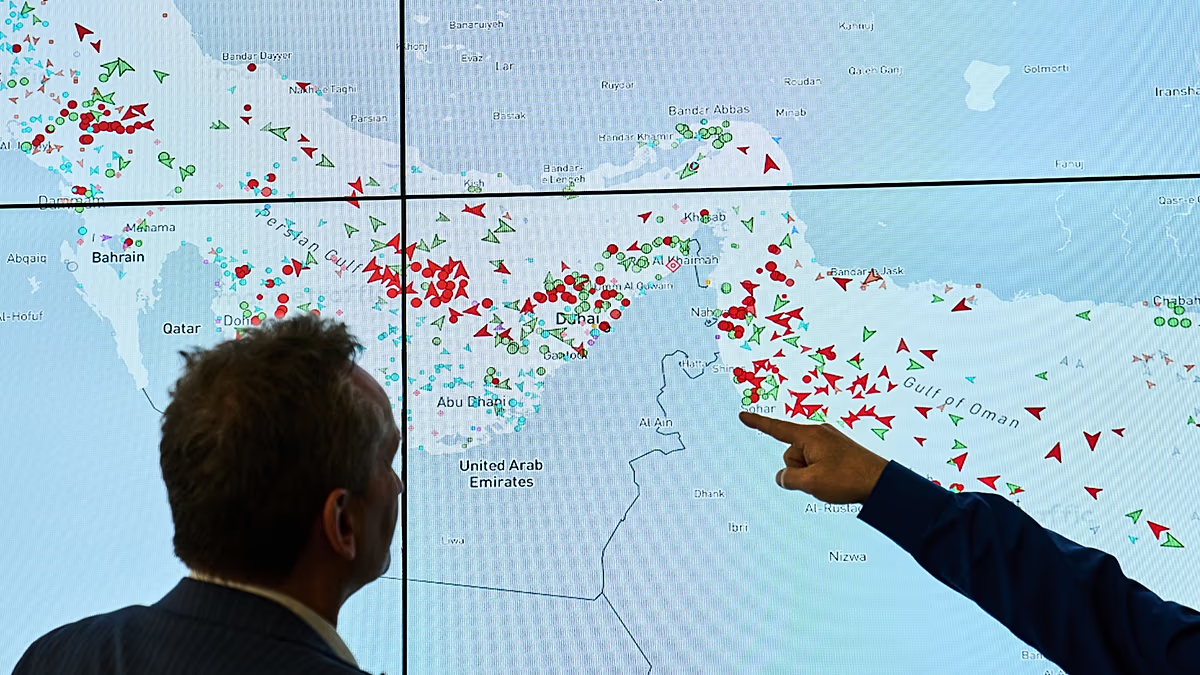
The expected agreement, brokered after intense diplomacy, carries immediate and global consequences, most notably the planned reopening of the Strait of Hormuz. This vital energy corridor had been disrupted for months, threatening global supplies and sending shockwaves through international markets. For Qatar, a leading exporter of liquefied natural gas (LNG), the restoration of normal navigation is not just a diplomatic victory but an economic imperative. Al Ansari explicitly linked the strait’s reopening to Qatar’s ability to continue supplying LNG, a move that would significantly ease pressure on energy prices worldwide. Yet, he was quick to temper expectations, clarifying that the signing of a framework does not herald a simple return to “business as usual.” The region has been fundamentally altered by the recent war, and the old status quo is irrevocably gone.
Indeed, the core of Al Ansari’s message focused on the daunting task that begins after the ceremonial signing. The real challenge, he explained, is to “find the new norm.” This new reality will require painstaking efforts to rebuild shattered trust, re-establish reliable communication channels, and collectively envision the architecture of a post-conflict Middle East. Decades-old grievances and geopolitical rivalries cannot be resolved by a single document. Qatar’s caution is deeply rooted in recent history; even after a ceasefire was reached in April, Iran continued sporadic bombardments against its Gulf neighbors, including Qatar. This experience serves as a stark reminder that a framework is a blueprint for peace, not peace itself, and that the path forward is fraught with the risk of backsliding.
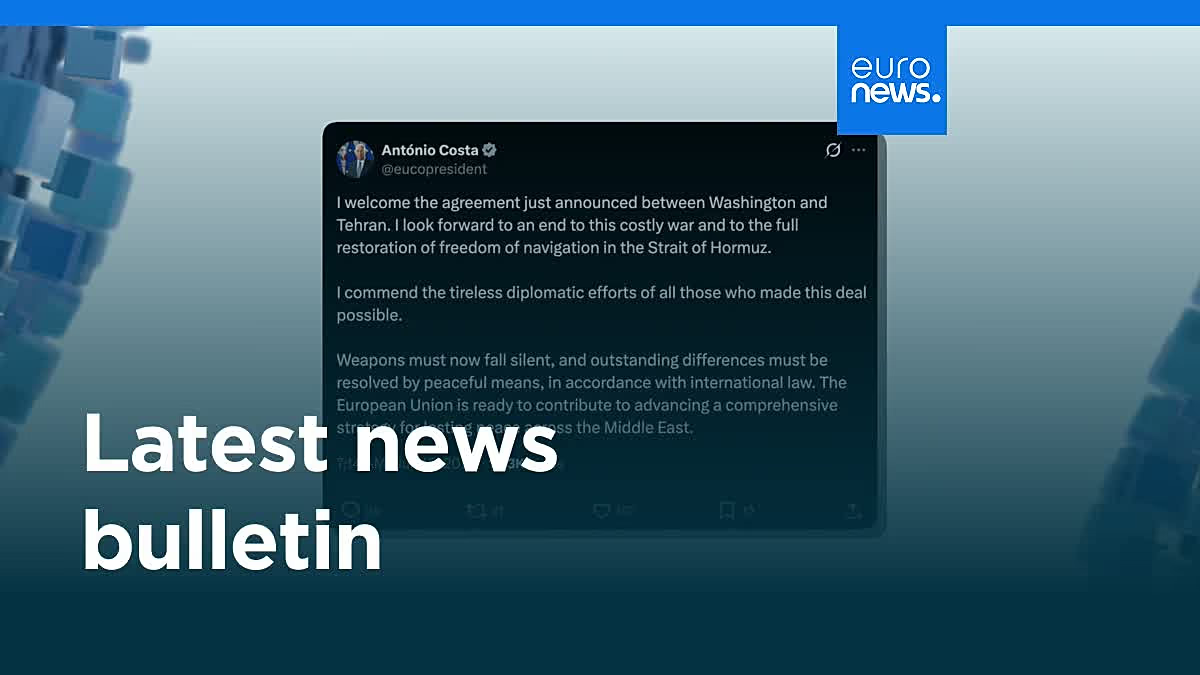
Throughout the crisis, Qatar has positioned itself as a pivotal mediator, a role that has now received international recognition. During a bilateral meeting on the sidelines of the G7 summit, former U.S. President Donald Trump personally praised Doha’s diplomatic efforts, noting the country’s unique position and “great bravery” given its physical proximity to Iran. Emir Sheikh Tamim bin Hamad Al Thani, while thanking Trump for his leadership, echoed the theme of cautious optimism. He affirmed that the ceasefire was a critical achievement but emphasized that substantial and sustained follow-through would be essential. This exchange highlighted Qatar’s strategy of maintaining open channels with all parties, a approach that enabled it to facilitate talks and now commits it to supporting the long-term peacemaking process.
Looking beyond the immediate U.S.-Iran dynamic, Qatar envisions a collaborative regional effort to cement this fragile peace. Al Ansari pointed to Pakistan’s central role in facilitating the talks and indicated that Doha plans to continue supporting this multilateral peacemaking initiative. This reflects a broader understanding that sustainable security cannot be imposed by external powers alone but must be cultivated through regional cooperation. “In Qatar we don’t take lightly our responsibility towards regional security,” Al Ansari affirmed, underscoring a national commitment to preventing a relapse into hostility. This philosophy guides Qatar’s foreign policy: leveraging diplomacy not for short-term gain, but as a steadfast investment in long-term regional stability.
Therefore, the mood in Doha is one of sober hope—a recognition of a historic opportunity weighed against the immense weight of history. The framework agreement is a necessary lifeline, offering respite from open war and a chance to address practical crises like energy security. Yet, as Dr. Al Ansari wisely noted, the issues plaguing the region are decades deep and will not be solved in mere days. The journey from a signed framework to a secure and stable “new norm” will be long and uncertain, requiring relentless diplomacy, rebuilt trust, and an unwavering commitment from all involved parties. Qatar, from its unique crossroads of geopolitics, stands ready to play its part in that arduous but essential journey.