

Paragraph 1: Hope Amidst Stalemate
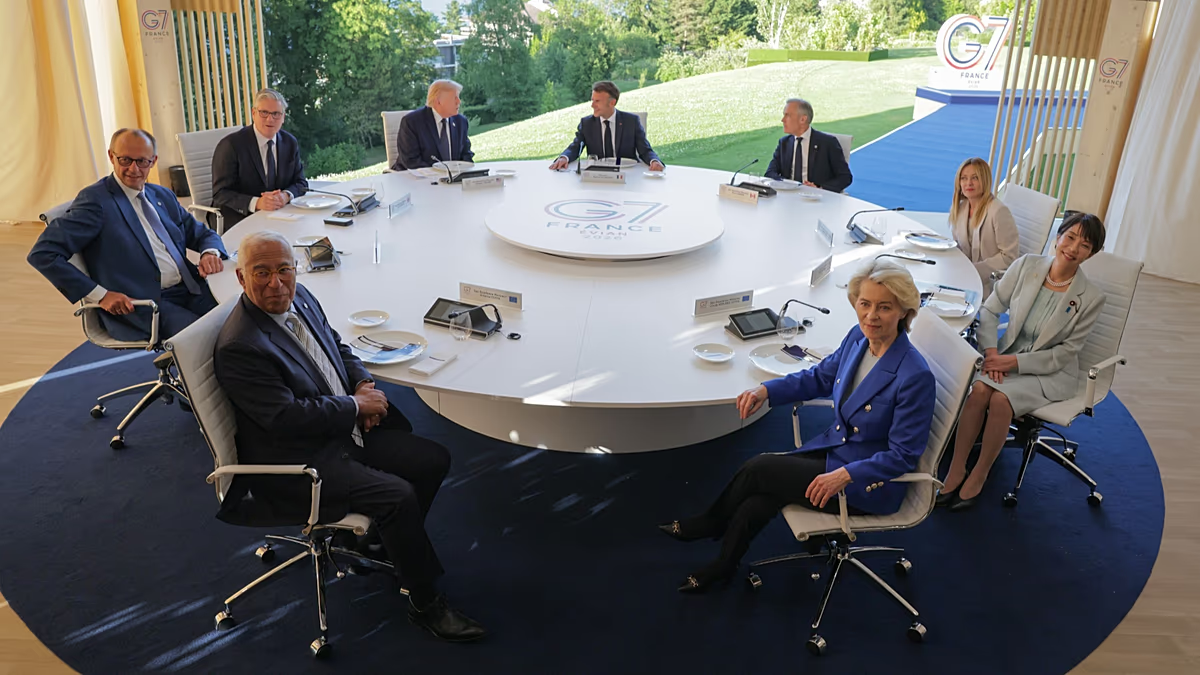
Ukrainian President Volodymyr Zelenskyy has articulated a cautious but urgent hope: to bring Russia’s brutal invasion to a definitive end before next winter, or at the very least, secure a stable ceasefire by that time. Speaking after intensive discussions with G7 leaders, he delivered a sobering assessment, warning that Moscow, under President Vladimir Putin, shows no genuine willingness to engage in meaningful negotiations. Zelenskyy conveyed a growing consensus among Western allies that Putin is deliberately prolonging the conflict, playing a diplomatic game rather than seeking peace. “Everyone sees that there is no desire on Russia’s part to end this,” he stated, emphasizing that the international community must now find ways to force Russia to the negotiating table.
Paragraph 2: The Dual Strategy: Sanctions and Shields
In outlining Ukraine’s path forward, Zelenskyy identified a two-pronged approach. He reaffirmed that sustained and intensified economic sanctions remain the most potent non-military tool to pressure the Kremlin. However, with Putin currently refusing direct dialogue, Zelenskyy stressed that Ukraine’s immediate survival depends on drastically strengthening its defensive capabilities. The top priority, he explained, is enhancing air defence, specifically against the severe threat posed by Russian ballistic missiles. This necessity framed his critical discussions at the G7 summit, where he secured unified promises of support, with leaders affirming, “Everyone recognises this, and everyone will help.”
Paragraph 3: Seeking Self-Sufficiency in Air Defence
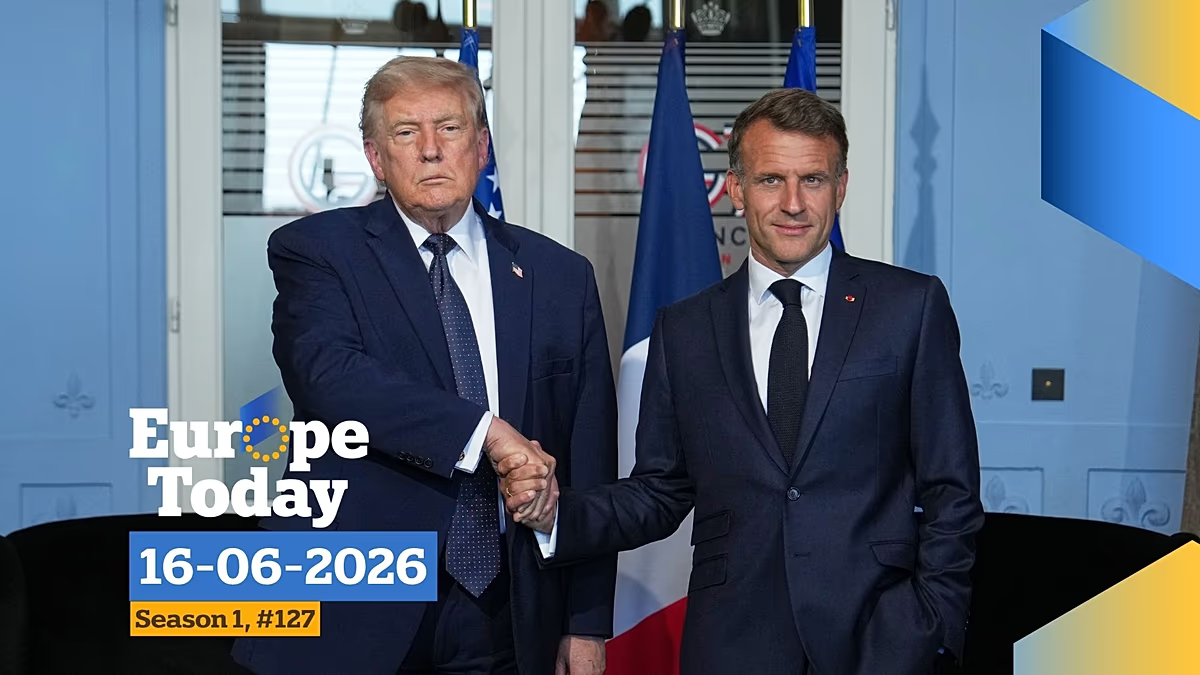
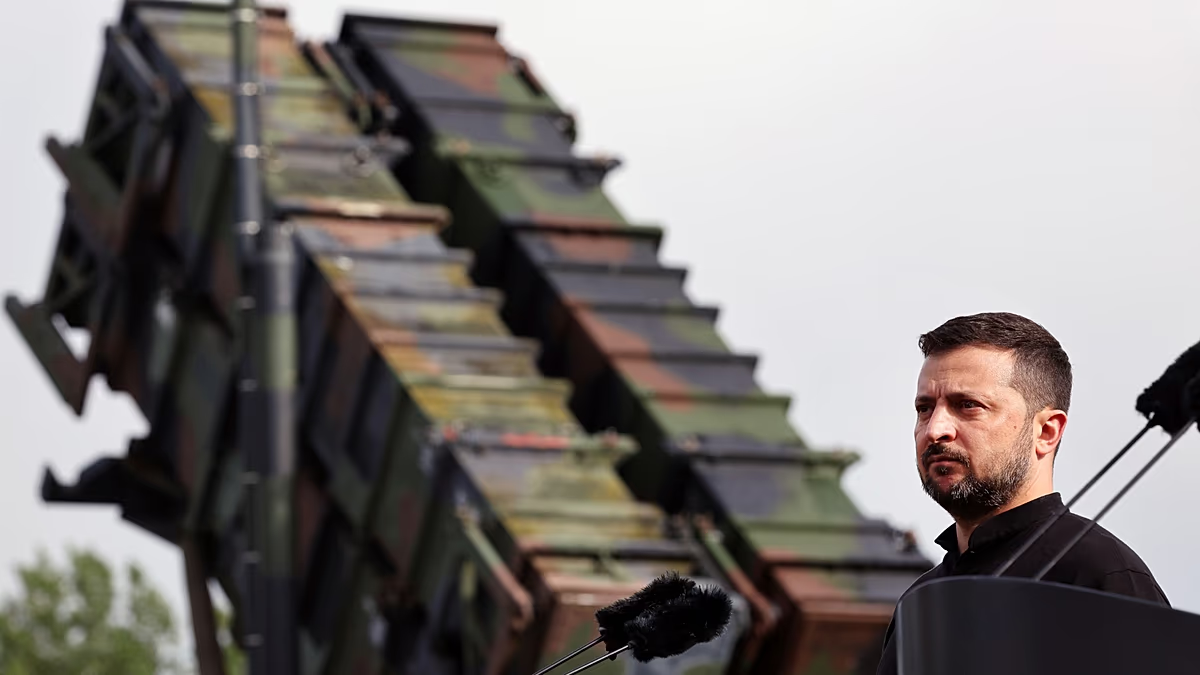
A central theme of Zelenskyy’s diplomatic efforts was moving beyond receiving donated systems to achieving self-reliance. While grateful for additional US-made Patriot systems—the only weapon in Ukraine’s arsenal capable of defeating ballistic missiles—he highlighted a critical bottleneck: limited global production and depleted allied stockpiles. To address this, Zelenskyy pursued a strategic goal of obtaining licenses to manufacture Patriot systems and their interceptors within Ukraine itself. In a significant development, he confirmed discussing this directly with US President Donald Trump on the sidelines of the G7, receiving a positive response. “God willing, this time we will manage,” Zelenskyy said, viewing local production as a game-changer for Ukraine’s long-term resilience.
Paragraph 4: The Critical Shortage and Russian Strategy
The urgency of this need was underscored by stark figures. Western production of advanced interceptors is limited, while Russia maintains a high capacity for manufacturing ballistic missiles. Moscow has shrewdly adapted its tactics to exploit this asymmetry, recently launching barrages of over 30 ballistic missiles in single nights, targeting cities and critical infrastructure. This calculated strategy aims to overwhelm and exhaust Ukraine’s finite air defence resources. Zelenskyy’s push for licensed production is therefore not merely an economic ambition but a vital necessity to match the scale and endurance of the Russian threat and protect Ukrainian civilians.
Paragraph 5: A Beacon of Expertise in Drone Warfare
In a notable contrast to the challenges in ballistic missile defence, Ukraine has emerged as a world leader in another, equally crucial domain: countering drone warfare. Ukrainian forces have achieved an extraordinary interception rate of over 90% against the swarms of Iranian-designed drones Russia launches nightly. This proficiency is built on domestically developed technology and hard-won battlefield experience. This expertise has transformed Ukraine from a recipient of aid into a valued security partner for other nations, with Zelenskyy noting that his country now provides air defence support and knowledge to allies in both the Middle East and Europe, and is finalizing a major drone technology deal with Canada.
Paragraph 6: A Nation Forging Its Own Destiny
Zelenskyy’s message from the G7 summit paints a picture of a nation steadfastly fighting on multiple fronts. On one hand, he pursues diplomatic avenues to pressure Russia and secure the means for a stronger defence. On the other, Ukraine is actively transforming its own defensive industry, turning battlefield ingenuity into strategic partnerships. The goal of ending the war by winter is anchored in this blend of external alliance-building and internal fortification. While facing a foe that currently refuses peace, Ukraine is determined to shape its own destiny—by bolstering its shields through partnership and innovation, and by sharing the hard-earned expertise that has made it a global example of resistance and resilience.