
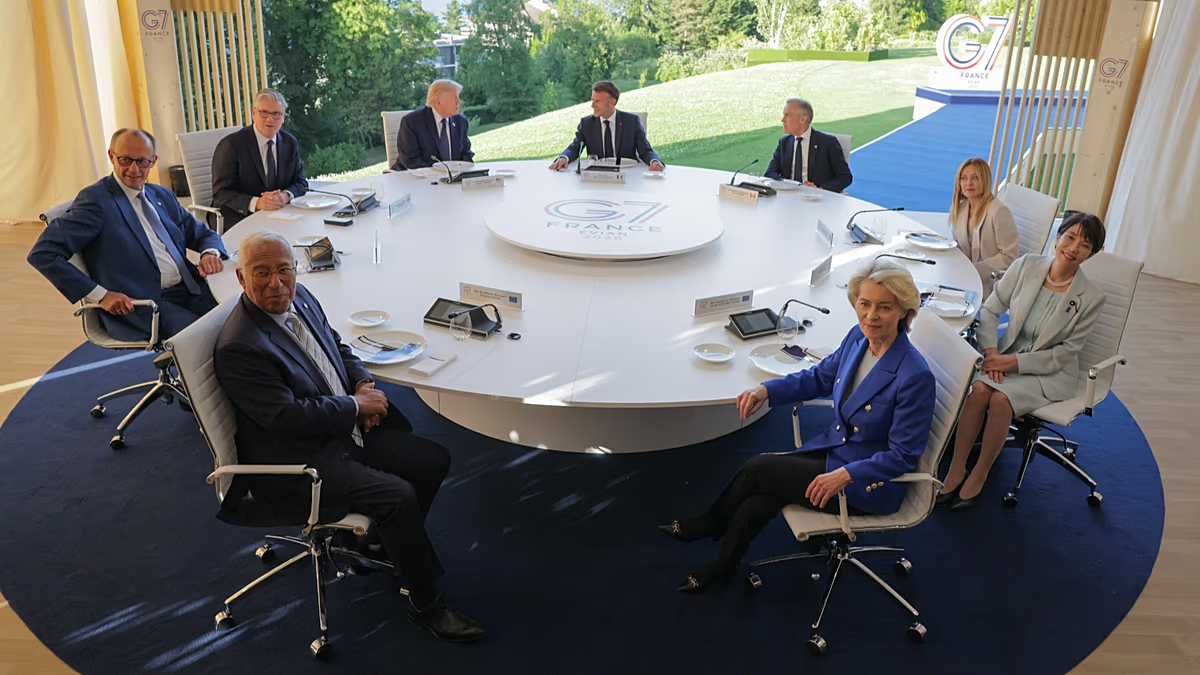


Day Two Dawns: A World’s Challenges Gather in Évian
The serene backdrop of Évian-les-Bains, with Lake Geneva’s placid waters, stands in stark contrast to the formidable global agenda facing leaders on this second day of the G7 summit. As the morning light filters through, the resort town transforms from a haven of tranquility into the nerve center of international diplomacy. The carefully crafted schedule reveals a day designed to confront the most pressing and polarizing crises of our time, moving from the frozen conflict in Eastern Europe to the simmering tensions of the Middle East, and finally to the broader architectural challenges of a fractured world order. This is no routine meeting; it is a concerted, high-stakes effort by the world’s major advanced economies to project unity and forge actionable paths forward in a landscape defined by division.
Session One: Standing with Ukraine, Securing Europe
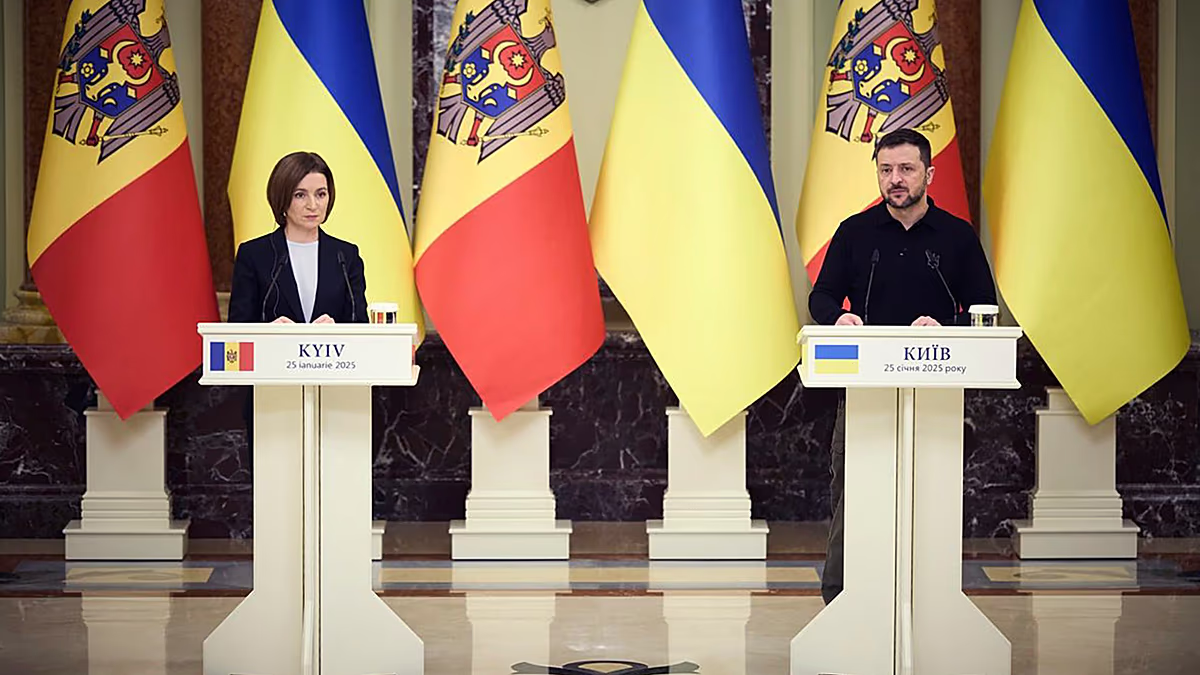
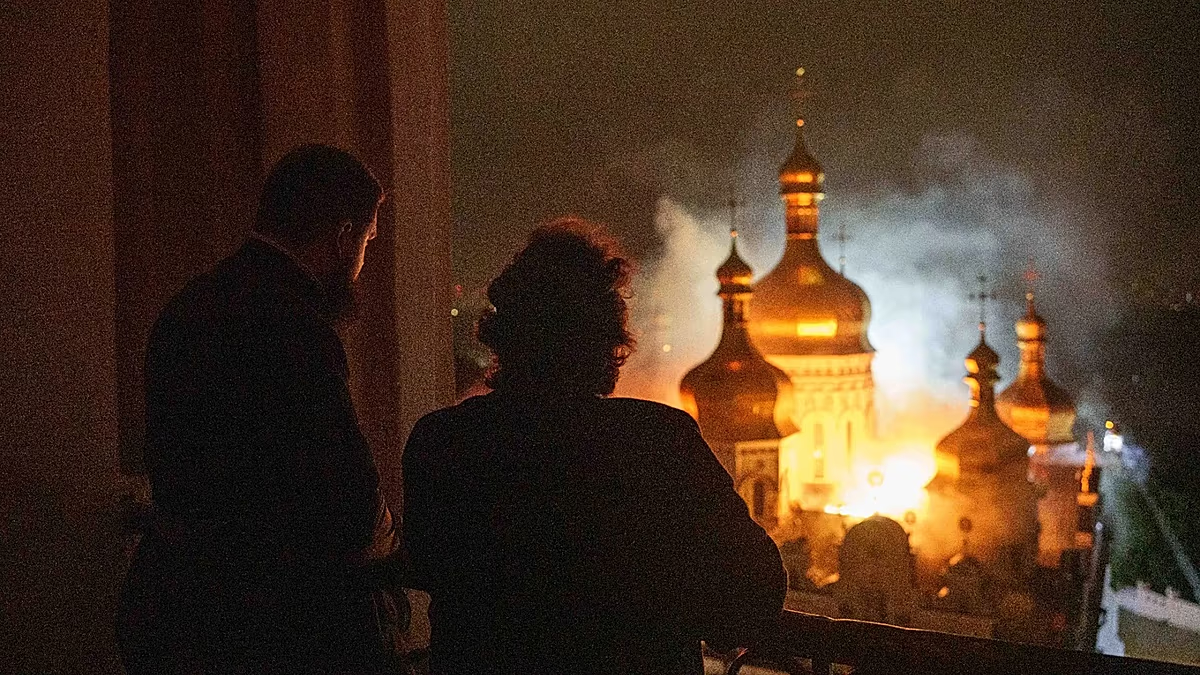
The first working session, commencing at 09:00, places the urgent issue of European security and the defense of Ukraine squarely at the forefront. The presence of President Volodymyr Zelenskyy is both symbolic and substantive, a powerful reminder that the summit’s discussions are not abstract but have direct consequences for a nation under relentless assault. This session is expected to move beyond declarations of solidarity to concrete deliberations on military aid, long-term security guarantees, and the intricate mechanisms for utilizing frozen Russian assets to support Ukraine’s reconstruction and resistance. The goal is to send an unambiguous message to Moscow: the G7’s support for Kyiv is not wavering but evolving into a durable, strategic commitment. It is a moment for the alliance to reaffirm that the security of Europe, from the Baltic to the Black Sea, is indivisible and non-negotiable.
A Global Table: Voices from Beyond the G7 Circle
A defining feature of this day is its inclusive outreach. Before the afternoon’s deep dive into other crises, the summit welcomes a diverse array of guest leaders, each representing critical pillars of the emerging multipolar world. Indian Prime Minister Narendra Modi brings the perspective of the Global South’s largest democracy, a crucial swing voice on issues from economic cooperation to geopolitical stability. South Korea’s Lee Jae Myung underscores the importance of Indo-Pacific security and advanced technological partnership. Kenya’s President William Ruto offers an essential African viewpoint on development, climate finance, and regional conflicts. This deliberate expansion of the conversation acknowledges a fundamental truth: the solutions to global problems can no longer be crafted by a small club of nations alone. The G7, by inviting these voices, seeks to build bridges, understand contrasting priorities, and forge the broader coalitions necessary for effective action.
Session Two: The Middle East Maelstrom and the Quest for Stability
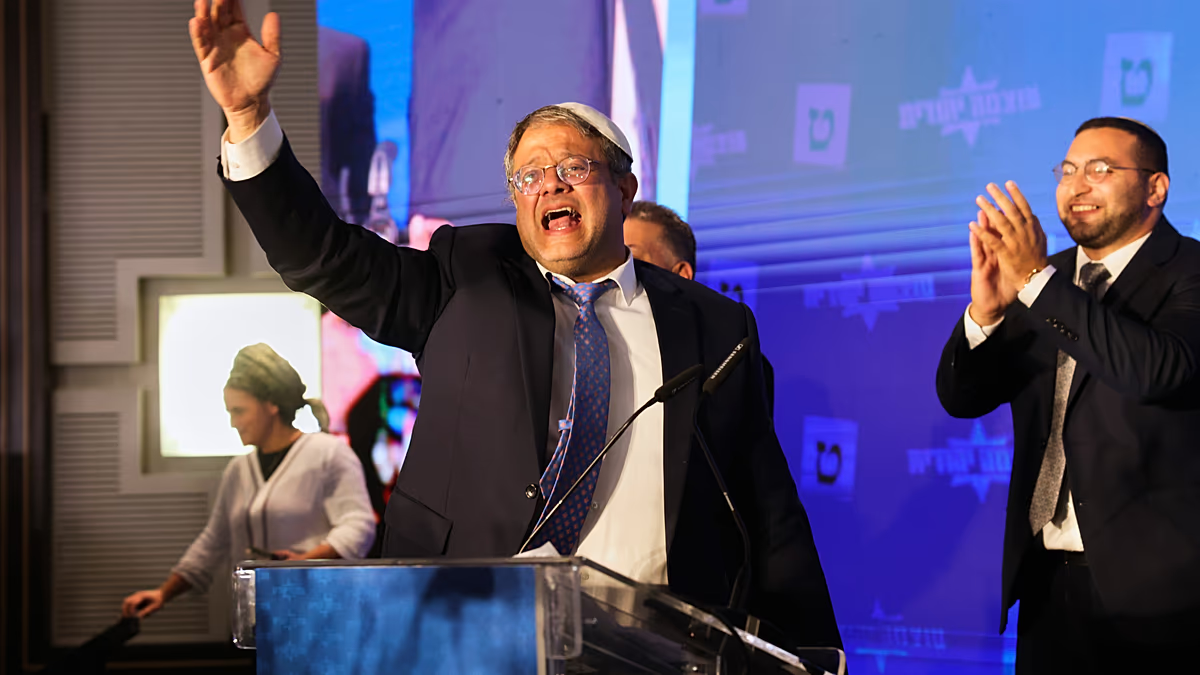
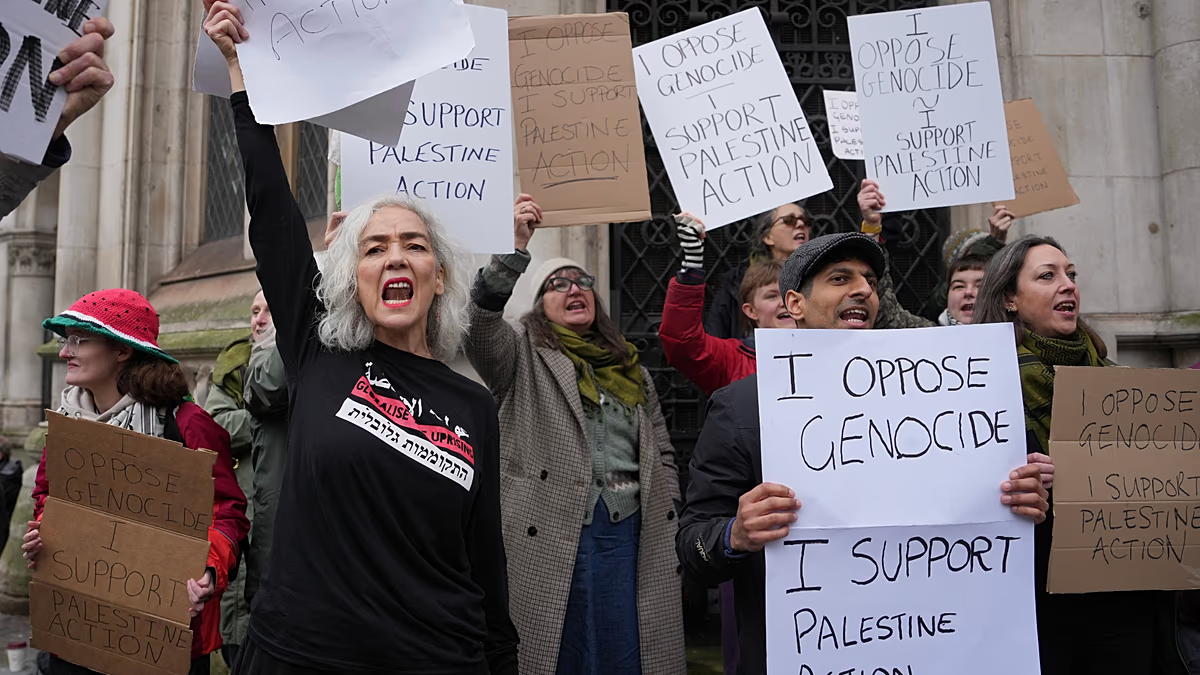
As the clock strikes noon, the focus shifts dramatically from the plains of Ukraine to the arid, conflict-scarred regions of the Middle East. The session titled “Responding to crises and ensuring stability” carries the heavy weight of the ongoing war in Gaza, regional escalation fears, and humanitarian catastrophe. Here, the conversations are arguably even more complex and fraught, given the differing historical positions and public pressures on the G7 members themselves. The challenge is monumental: to chart a credible diplomatic course toward a sustainable ceasefire, address the desperate humanitarian needs without empowering militant factions, and reinvigorate a political horizon for a two-state solution. This session tests the group’s ability to translate concern into coordinated influence, balancing unwavering support for Israel’s security with an urgent, practical response to Palestinian suffering and regional instability.
Session Three: Rebuilding the Foundations of International Cooperation
The final working session at 15:15 looks beyond the immediate fires to the cracked foundations of the global system. “Forging new partnerships and rebuilding international solidarity” is an ambitious title that speaks to a recognition of systemic fragility. Discussions here will likely encompass the immense challenges of climate change and the just energy transition, the governance of artificial intelligence, reforming multilateral development banks, and creating fairer systems for debt relief and health security. This is the long-game segment of the day, where leaders must pivot from crisis management to visionary leadership. The aim is to develop a compelling, inclusive offer to the wider world—a alternative to transactional or coercive models of international relations that emphasizes shared rules, mutual benefit, and collective resilience.
A Day of Diplomacy, Culminating in Shared Humanity
As dusk settles over the lakeshore, the formal working sessions will give way to a gala dinner hosted by President Emmanuel Macron and the First Lady, Brigitte Macron. This tradition is far more than a social nicety; it is a vital diplomatic tool in itself. In the relaxed conviviality of a shared meal, away from the flags and formal statements, the hard edges of negotiation can soften. Personal rapport, so often the glue of international politics, can be strengthened. The dinner represents a moment of human connection amidst the colossal affairs of state, a reminder that behind the titles and policies are individuals bearing the weight of immense responsibility. As the leaders talk late into the night, the outcomes of this intensive second day—a blend of firm resolve on Ukraine, fraught diplomacy on the Middle East, and aspirational coalition-building for global challenges—will begin to crystallize, setting the stage for the summit’s conclusions and the even harder task of implementation that lies beyond the picturesque shores of Évian.