

Euronews “Europe Today”: A Snapshot of a Continent in Motion
In a world where headlines change by the hour, the Euronews team launches its day with “Europe Today,” a concise, twenty-minute program designed to be a compass for navigating the complex currents of global affairs. Broadcast live at 8 AM Brussels time, the show represents a dynamic new format, distilling the day’s most pressing stories into sharp segments of reporting and expert analysis. It’s more than just a news bulletin; it’s a curated guide for viewers across the continent and beyond, available not only on television but also as a podcast and newsletter, meeting the modern audience wherever they are. This morning’s edition, presented by chief anchor Méabh Mc Mahon, is a perfect microcosm of the show’s mission, weaving together high-stakes diplomacy, European expansion, military readiness, and even the unifying yet divisive world of international football.
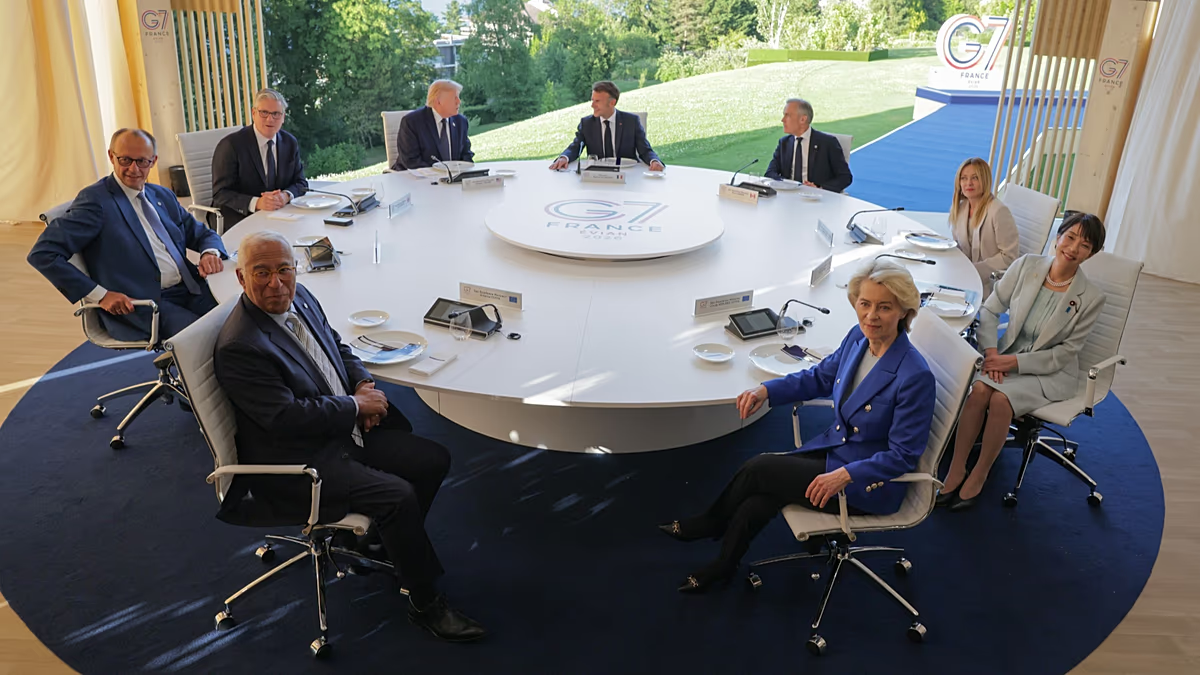
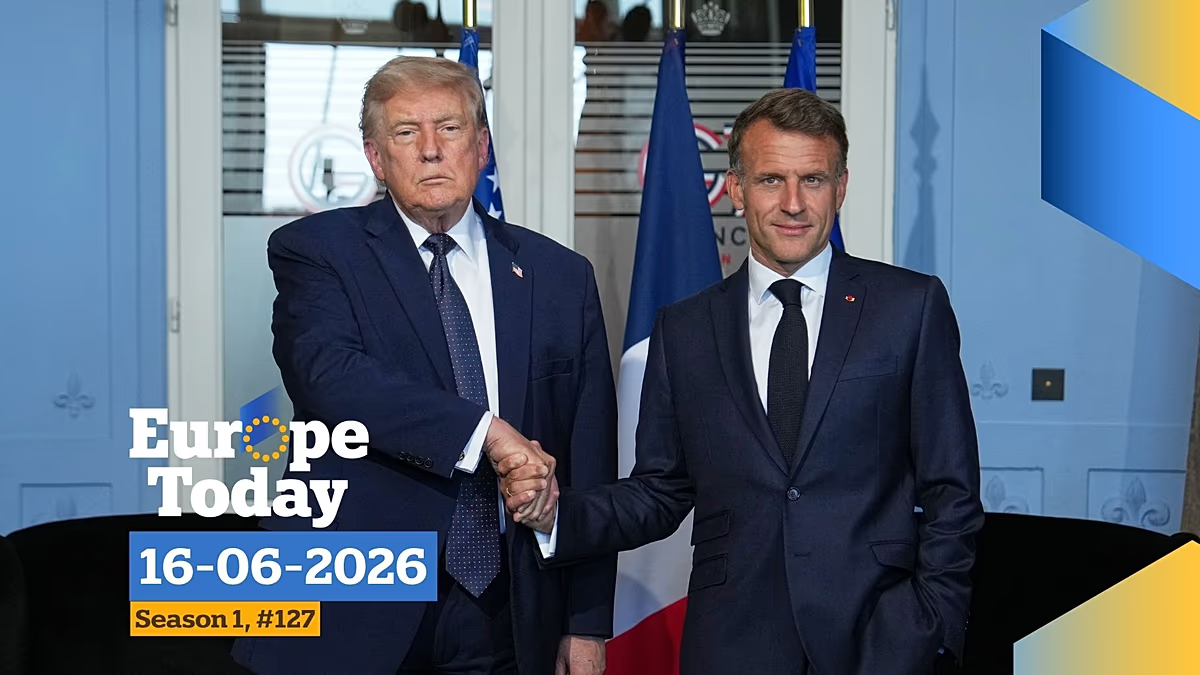
The first focal point is the serene yet tense setting of Évian, France, where correspondent Maria Tadeo reports from the gathering of G7 leaders. The agenda is weighty, dominated by geopolitical fault lines. Central to the discussions is the newly announced framework deal between the United States and Iran, an agreement that promises to reshape the strategic landscape of the Middle East. European leaders are keen to dissect the details, understanding its implications for regional stability and, critically, for global energy security. The war in Ukraine remains a paramount concern, with discussions undoubtedly focused on sustaining support for Kyiv. Furthermore, the future of the vital Strait of Hormuz—a chokepoint for the world’s oil—hangs in the balance, tying these issues of diplomacy directly to the economic pressures felt by citizens back home.
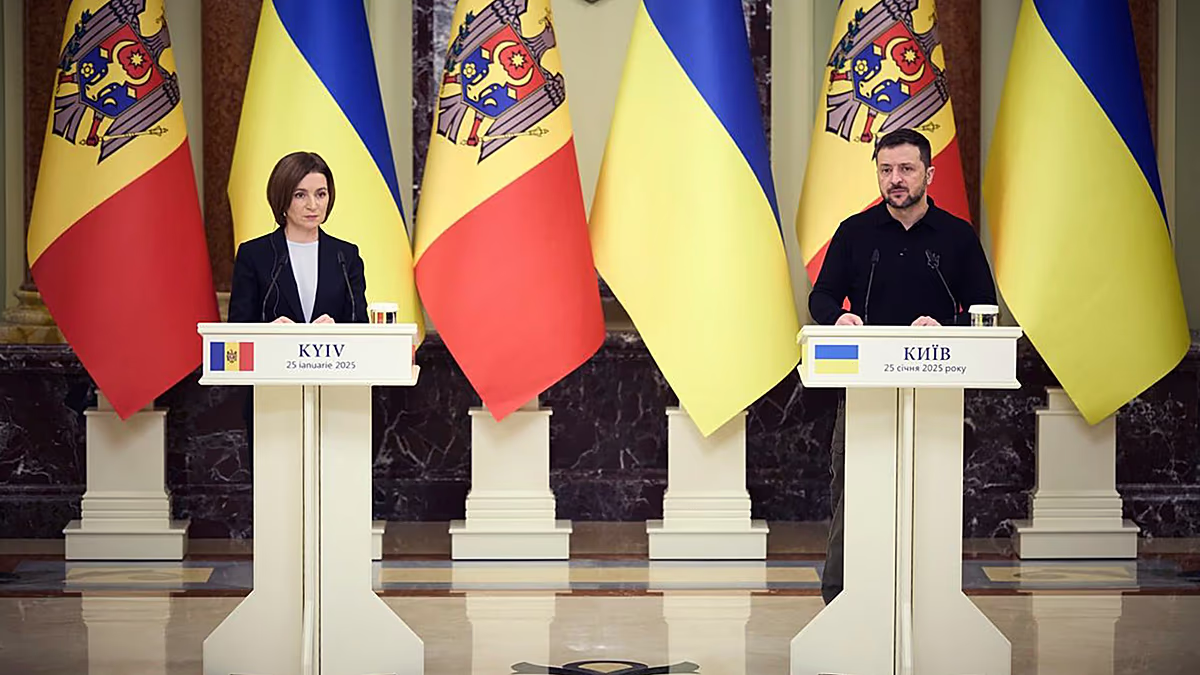
Simultaneously, a historic chapter for the European Union is being written in Luxembourg, as Mared Gwyn Jones reports. There, in a moment laden with symbolism and concrete political commitment, the EU has officially opened accession negotiations with Ukraine and Moldova. This is not a mere procedural step; it is a profound signal of faith and solidarity. For Ukraine, battered by war but steadfast in its European aspirations, and for Moldova, navigating its own vulnerabilities, this marks the beginning of a long, transformative journey toward integration. The move reaffirms the EU’s vision of a united, peaceful continent, extending its sphere of stability eastward in direct response to the continent’s most devastating conflict in decades.
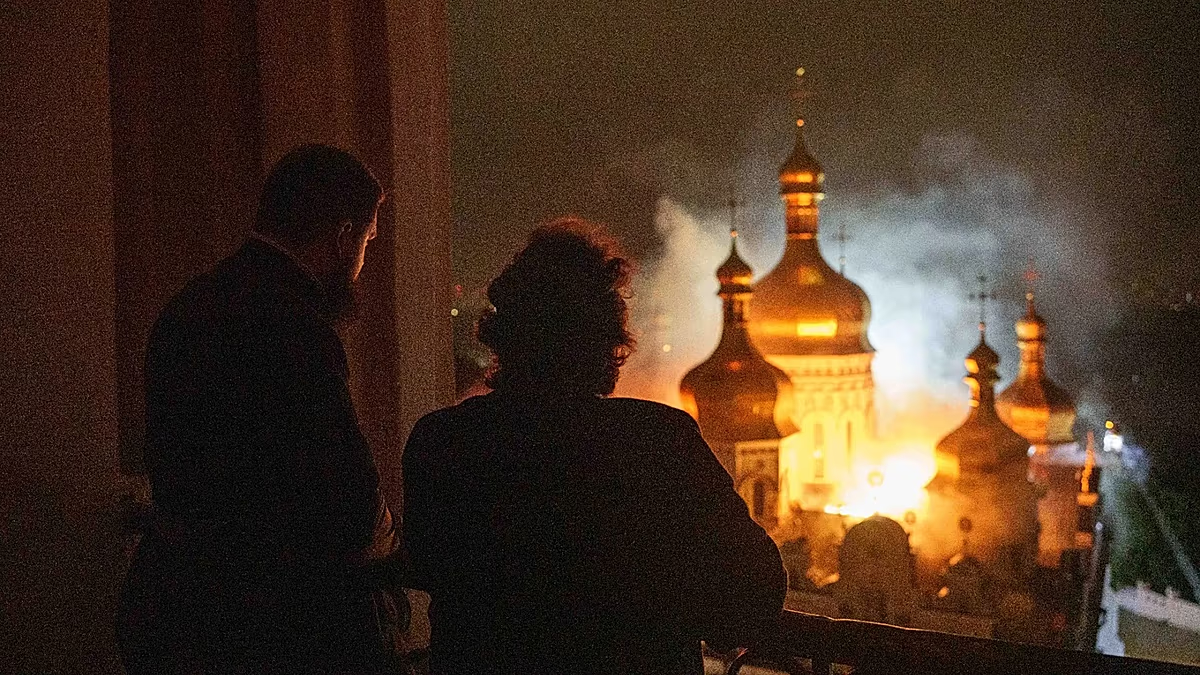
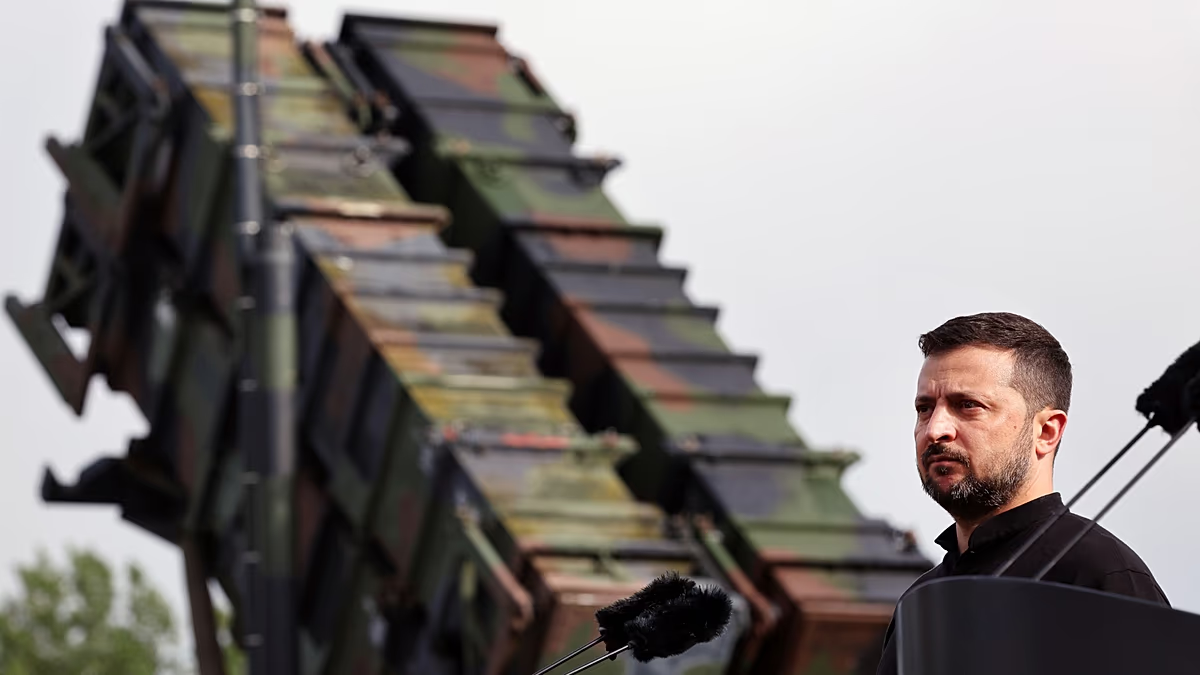
Meanwhile, the security underpinning that European peace is being vigorously tested far to the north. From Sweden, NATO correspondent Shona Murray is embedded with allied forces participating in a massive air and missile defence exercise. With twenty nations involved, the drills are a powerful display of unity and technological prowess, a direct response to the evolving and growing threats highlighted by the war in Ukraine. This live-fire diplomacy underscores a sobering reality: that the discussions in Évian and the expansions in Luxembourg must be backed by credible military deterrence. The exercise is a vivid reminder that the continent’s security architecture is in a state of rapid adaptation, preparing to defend against threats from the skies in an increasingly uncertain world.
Back in the heart of European democracy, the Strasbourg Parliament provides the political analysis. Spanish MEP Javier Moreno joins the program live to digest these unfolding events. He offers a crucial European perspective on the US-Iran deal, probing what it means for EU foreign policy autonomy and the bloc’s own relations with Tehran. The conversation naturally turns to energy prices, a direct concern for every European household and business, exploring how geopolitical tremors in the Middle East translate into economic strain. Moreno’s insights help frame the EU’s potential role: not merely as a spectator to US diplomacy, but as an independent actor that could help broker stability and secure the prosperity of its own people.
Yet, even on a day dominated by summits and security, Europe’s passion for sport provides a compelling parallel narrative. Euronews’ Vincenzo Genovese rounds up the latest from the football World Cup, where the frustrations of powerhouse nations like Spain and Belgium with unexpected draws mirror the unpredictable nature of geopolitics. In a lighter, but no less insightful segment, Jakub Janas examines why FIFA President Gianni Infantino is once again making headlines away from the pitch, perhaps for controversial comments or bold reform proposals. This segment acknowledges that the beautiful game is not immune to the politics, economics, and personalities that shape our broader world, offering a touchstone of shared culture amid the gravitas of statecraft.
In essence, “Europe Today” masterfully connects these disparate dots into a coherent portrait of a pivotal moment. Within its brief runtime, it travels from diplomatic summits to military exercises, from historic EU chambers to electrified football stadiums. It understands that the price of fuel, the security of a nation, the hope of accession, and the joy of sport are all threads in the same fabric of contemporary European life. By bringing reporting, analysis, and diverse perspectives together each weekday morning, the program does more than inform; it contextualizes. It assures the viewer that whether the news originates in Évian, Luxembourg, or a World Cup venue in another hemisphere, its echoes will be felt, analyzed, and understood right here at home.