


(1)
The scene at the Lincoln Memorial Reflecting Pool was one of jarring contradiction. Just days after a high-profile, multi-million dollar renovation and a ceremonious reopening promoted by President Trump himself, the iconic waters had transformed into a murky, green swamp. This swift and visible reversal of fortune presented a stark and almost symbolic challenge to the narrative of renewal and patriotic pride that had accompanied the project. Instead of the deep, mirror-like surface intended to honor the memory of Abraham Lincoln, visitors were met with a spreading bloom of algae, a stubborn natural force asserting itself against the efforts of human engineering and paint.
(2)
The renovation itself was no minor undertaking. Costing over $14 million from public funds, the project’s centerpiece, as touted by President Trump, was the repainting of the pool’s bottom in a specific shade he called “American flag blue.” The intention was clear: to create a more vivid, aesthetically pleasing, and symbolically charged reflection of the memorial. The grand reopening was meant to showcase this enhancement as a point of civic pride. Yet, the algae’s rapid return served as a potent, if unintended, metaphor for the fleeting nature of such cosmetic fixes when contending with deeper, systemic environmental conditions.
(3)
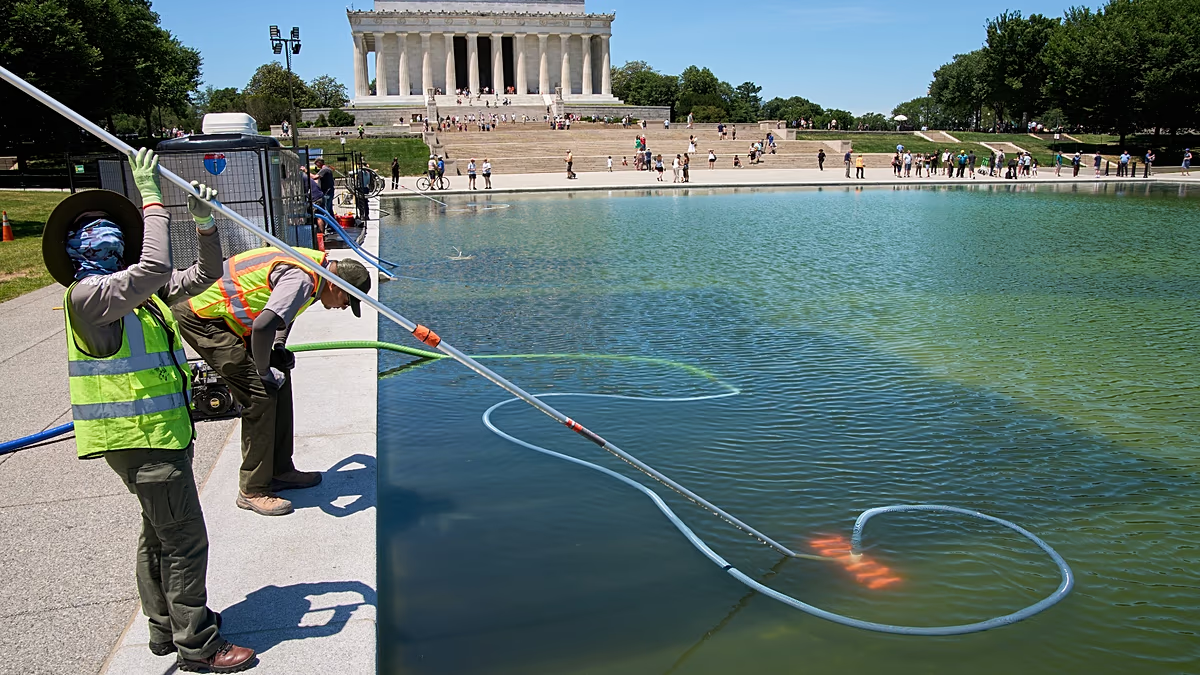
In response to the unsightly bloom, the National Park Service swiftly mobilized its crews. The cleanup operation was a visible and labor-intensive process, with workers deploying pumps and specialized vacuum equipment along the pool’s edges. They worked methodically, skimming the surface and vacuuming large, slimy patches of algae from both the water and the freshly painted floor below. The scene was one of diligent public service, a direct and tangible effort to restore the dignity and intended function of this national landmark, even as the task appeared to be a constant battle against a persistent opponent.
(4)
Despite these earnest efforts, the algae proved resilient. Reports indicated that even as crews worked to clear one section, new growth would quickly appear elsewhere, turning vast stretches of the water back to green. This rapid recurrence pointed to underlying environmental factors—likely a combination of warm summer temperatures, nutrients in the water, and sunlight—that the new paint and renovation had not addressed. The cycle of cleaning and rapid re-growth highlighted the complex challenge of maintaining such a large, static body of water in an urban environment, suggesting that the solution required more than just a fresh coat of paint.
(5)
Amidst this bureaucratic and environmental drama, the daily life of the National Mall continued unabated. Tourists from across the country and around the world still flocked to the site, their pilgrimage to this sacred civic space undeterred by the green hue of the water. The scene became a unique tableau of modern America: maintenance crews in their work gear operating heavy machinery just feet away from visitors posing for photos and selfies with the Lincoln Memorial in the background. For many, the unusual color of the pool simply became part of their experience, an unexpected and curiously memorable footnote to their trip to the nation’s capital.
(6)
Ultimately, the greening of the Reflecting Pool served as a humbling reminder of nature’s persistence. It underscored the reality that even our most cherished and meticulously maintained national monuments exist within a natural world that operates on its own terms. The episode moved beyond mere maintenance news to become a small, poignant lesson in humility. It reminded us that true stewardship is an ongoing commitment, not a one-time event, and that the most profound symbols of our nation are those that endure not just through grand renovations, but through constant, careful, and respectful care in harmony with their environment.