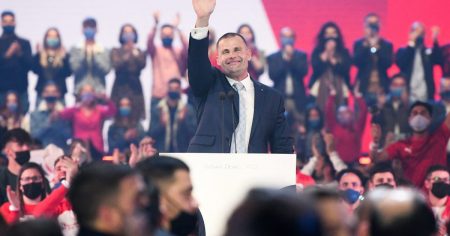


Italy’s political landscape is bracing for a tumultuous period as Prime Minister Giorgia Meloni confronts a trifecta of formidable challenges ahead of next year’s election. The nation’s economy is losing momentum, a situation exacerbated by soaring energy prices that strain both household budgets and industrial output. Compounding these pressures is the heightened demand for increased defense spending, a necessity underscored by the volatile security environment in Europe. For Meloni, who leads a right-wing coalition, navigating these simultaneous crises will be a delicate balancing act. Her government must stimulate a sluggish economy, shield citizens from spiraling living costs, and commit to stronger defense capabilities—all while maintaining fiscal discipline. The upcoming electoral contest will undoubtedly serve as a referendum on her administration’s ability to steer Italy through these turbulent times.
In a piece of welcome news for the Italian premier, the European Commission recently granted a significant exemption to its stringent public spending rules, specifically for certain types of green investments. This decision, analyzed in a discussion between hosts Zoya and Ian, represents a subtle but important victory for Meloni’s government. The EU’s executive body has effectively acknowledged that investments crucial for the ecological transition—such as renewable energy projects or energy efficiency upgrades—should not be hampered by the same budgetary constraints as ordinary expenditure. This nuanced shift in Brussels’ thinking reflects a pragmatic understanding that long-term sustainability goals sometimes require short-term fiscal flexibility. For Italy, a country with substantial public debt but also ambitious climate targets, this allowance could provide vital breathing room to fund green initiatives without triggering punitive measures from EU fiscal watchdogs.
Meanwhile, the European Union continues to tighten its sanctions regime against Moscow in response to the ongoing conflict in Ukraine, exploring new avenues to increase pressure. One of the more notable recent developments is a proposal, championed by ministers from eleven member states, to restrict the number of tourist visas issued to Russian nationals. This move is highly symbolic, aiming to diminish the everyday interactions and economic benefits that come from routine travel, thereby further isolating Russian society from the West. It represents a deepening of the EU’s strategy, moving beyond targeting oligarchs and specific sectors to impacting broader civilian mobility. However, such a measure is not without controversy, sparking debates about collectively punishing ordinary citizens and the practical diplomatic ramifications of severing people-to-people ties.
Beyond the weighty matters of geopolitics and economics, a lighter—yet strangely contentious—issue has captured Brussels’ attention: the mysterious “Spritz Misto.” This oddly named cocktail has become a source of confusion and even outrage within the European quarter. The drink’s very identity is unclear, leaving many to wonder if it’s a creative fusion of two classic Italian aperitivi or simply a marketing gimmick. The confusion has risen to the political level, with one Member of the European Parliament reportedly “up in arms” over the matter. While the specifics of the MEP’s grievance remain a topic of amusement, the episode highlights the unique cultural micro-climate of Brussels, where policy debates and culinary authenticity often intersect in surprising ways.
This spirited debate over cocktails invites a broader participation. The show’s hosts extend an invitation to their audience, asking listeners to share their own favorite drinks and preferred Brussels establishments to enjoy them. By providing a WhatsApp number for feedback, they transform a monologue into a dialogue, tapping into the collective knowledge and preferences of the city’s diverse inhabitants. This interactive element underscores a fundamental truth about Brussels: beneath its surface as a bastion of bureaucracy, it is a living, breathing city where people gather, socialize, and debate everything from sanctions to spritzes. These personal recommendations will likely paint a portrait of the city’s social scene, from historic Art Nouveau cafes to sleek modern bars.
Ultimately, the episode weaves together these disparate threads—Italy’s domestic struggles, EU fiscal policy, sanctions strategy, and even a cocktail controversy—to illustrate the multifaceted nature of European politics and life. It shows how high-stakes governance, with its billions in budgets and profound security implications, exists alongside the deeply human elements of culture and community. As Italy’s Meloni fights her uphill battle, and as EU ministers debate visa restrictions, the citizens and officials in Brussels continue to navigate a world where profound decisions are often discussed over a drink. The next year will test the resilience of European unity and leadership, but it will also, undoubtedly, see more debates sparked in the bustling bars of the EU’s capital, where the only thing more complex than the legislation might just be the cocktail menu.