


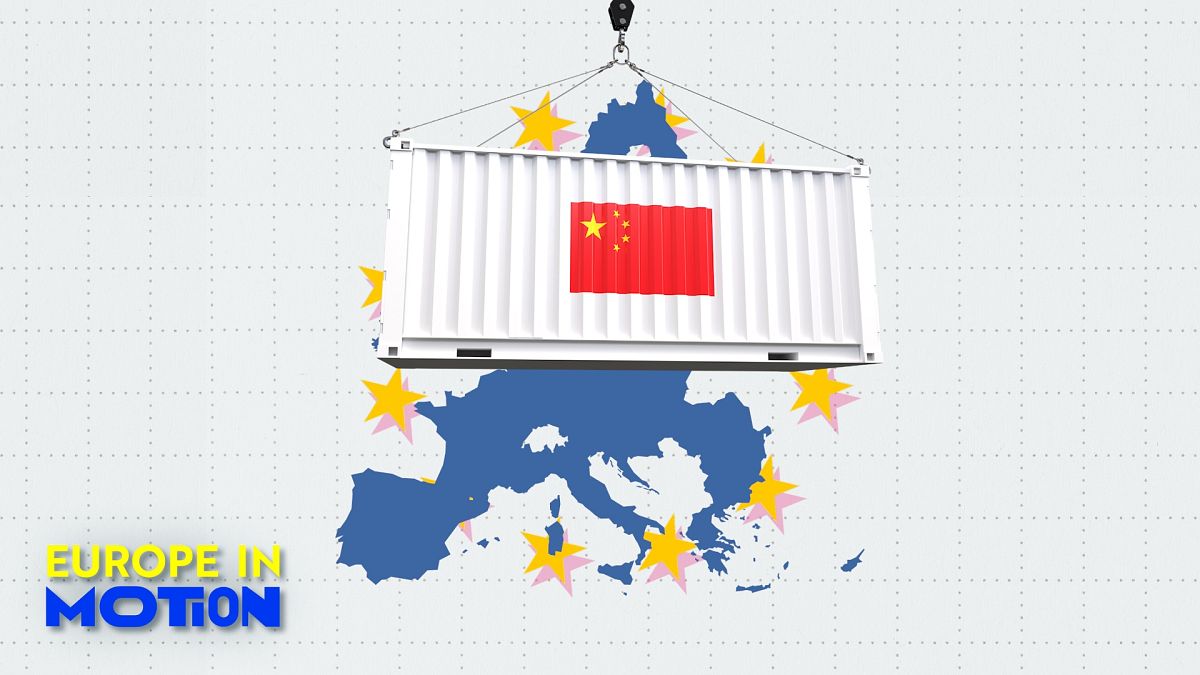
The European Union and China maintain a complex and often tense trade relationship, characterized by significant interdependence and occasional disputes. Despite recent trade frictions surrounding electric vehicles and dairy products, the EU remains China’s largest trading partner, emphasizing the deep economic ties between the two entities. This dominant trade relationship is driven by a robust exchange of goods, particularly in the sectors of mechanical appliances and electrical equipment, which constitute a substantial portion of both imports and exports. While this foundation of trade creates mutual benefits, it also presents a platform for potential conflict, as evidenced by the ongoing disputes surrounding government subsidies and anti-dumping measures. The inherent tension between cooperation and competition necessitates careful navigation by both parties to ensure the continued stability and growth of this critical economic partnership.
The consistent growth in trade between the EU and China over the past decade underscores the importance of their economic ties. This growth has solidified the EU’s position as China’s top trading partner, while China holds the second-largest spot for the EU. Within the EU, Germany, the Netherlands, and Italy are the key players in this trade relationship, serving as the primary importers and exporters of goods to and from China. The composition of this trade reveals a significant reliance on specific sectors. Mechanical appliances and electrical equipment dominate the exchange, accounting for over half of the EU’s imports from China and over a third of its exports to China. Other significant traded items include vehicles and aircraft, organic chemicals, clothing accessories, pharmaceutical products, and optical instruments. This concentrated trade in specific sectors makes both economies susceptible to disruptions caused by targeted trade measures, highlighting the interconnectedness and vulnerability inherent in their trade relationship.
The recent trade disputes between the EU and China, particularly in the electric vehicle and dairy sectors, exemplify the challenges inherent in managing such a complex trade relationship. The rapid rise of Chinese electric vehicle manufacturers, like BYD, has shifted the global automotive landscape, triggering concerns within the EU about competition and fair trade practices. BYD’s record sales in 2024, fueled by strong domestic demand and government incentives, have exacerbated these concerns. The EU’s decision to impose duties on Chinese electric vehicles, based on allegations of state subsidies creating an unfair advantage, has provoked a retaliatory response from China. This tit-for-tat dynamic, also seen in the dairy sector with China’s anti-dumping investigation into EU dairy products, reflects the growing tension and the potential for escalating trade conflicts.
The EU’s imposition of duties on Chinese electric vehicles stems from concerns that Chinese government subsidies create an uneven playing field, allowing Chinese manufacturers to undercut European competitors. The EU argues that these subsidies distort market competition and harm European businesses. China, however, views these measures as protectionist, arguing that they unfairly target Chinese companies and hinder fair trade. This divergence in perspective on the role of government support in industry is a key point of contention in the ongoing trade dispute. The EU’s focus on maintaining a level playing field for its domestic industries clashes with China’s industrial policies aimed at fostering the growth of its strategic sectors, including electric vehicles.
China’s response to the EU’s tariffs on electric vehicles, launching an anti-dumping investigation into EU dairy products, further complicates the trade relationship. This move mirrors previous actions taken by China in other sectors, suggesting a pattern of retaliatory measures when faced with trade challenges. The potential imposition of tariffs on EU cheese and milk imports could significantly impact European producers and further escalate trade tensions. This reciprocal action underscores the delicate balance between cooperation and competition in the EU-China trade relationship, where retaliatory measures can quickly escalate into broader trade conflicts. The dairy sector dispute adds another layer of complexity to an already strained relationship, highlighting the need for diplomatic solutions to prevent further escalation.
The ongoing trade disputes between the EU and China highlight the delicate interplay between economic interdependence and strategic competition. While both sides benefit significantly from their robust trade relationship, disagreements over trade practices and industrial policies create potential flashpoints. The electric vehicle and dairy disputes are symptomatic of broader tensions surrounding government subsidies, market access, and fair competition. Managing these tensions requires a nuanced approach that acknowledges the mutual benefits of trade while addressing legitimate concerns about unfair practices. Finding a path towards a more balanced and sustainable trade relationship requires open communication, a willingness to compromise, and a commitment to upholding international trade rules. The future of the EU-China trade relationship hinges on the ability of both sides to navigate these complexities and find mutually beneficial solutions to their ongoing disputes.