

Paragraph 1
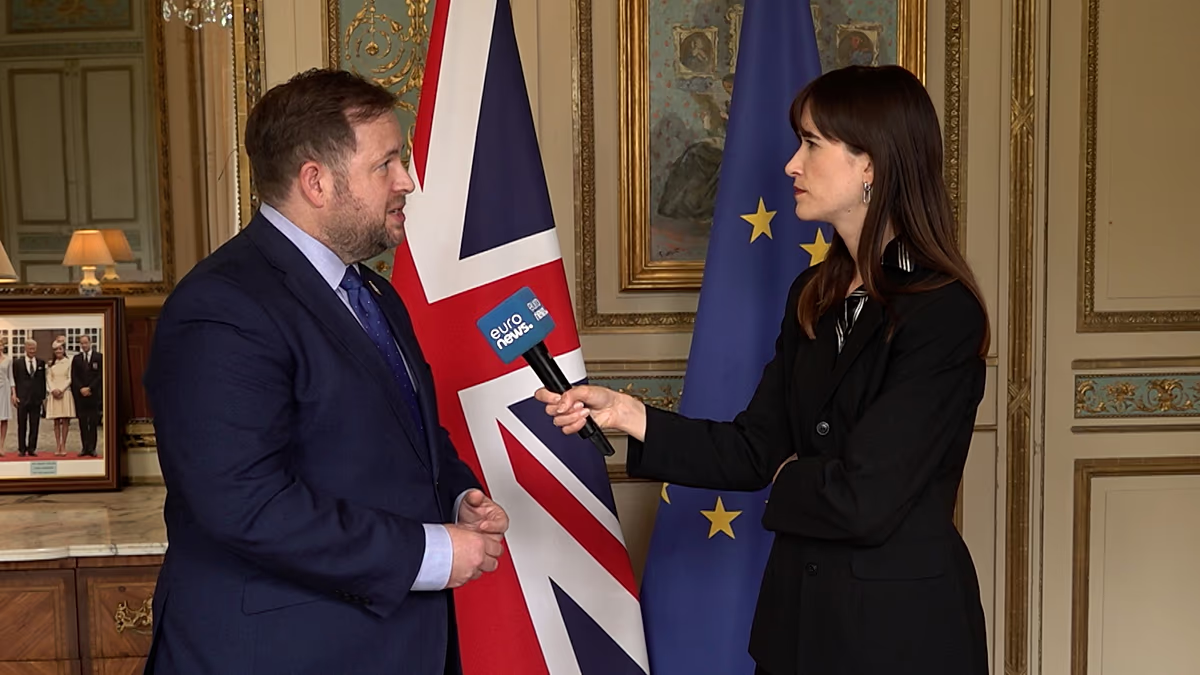
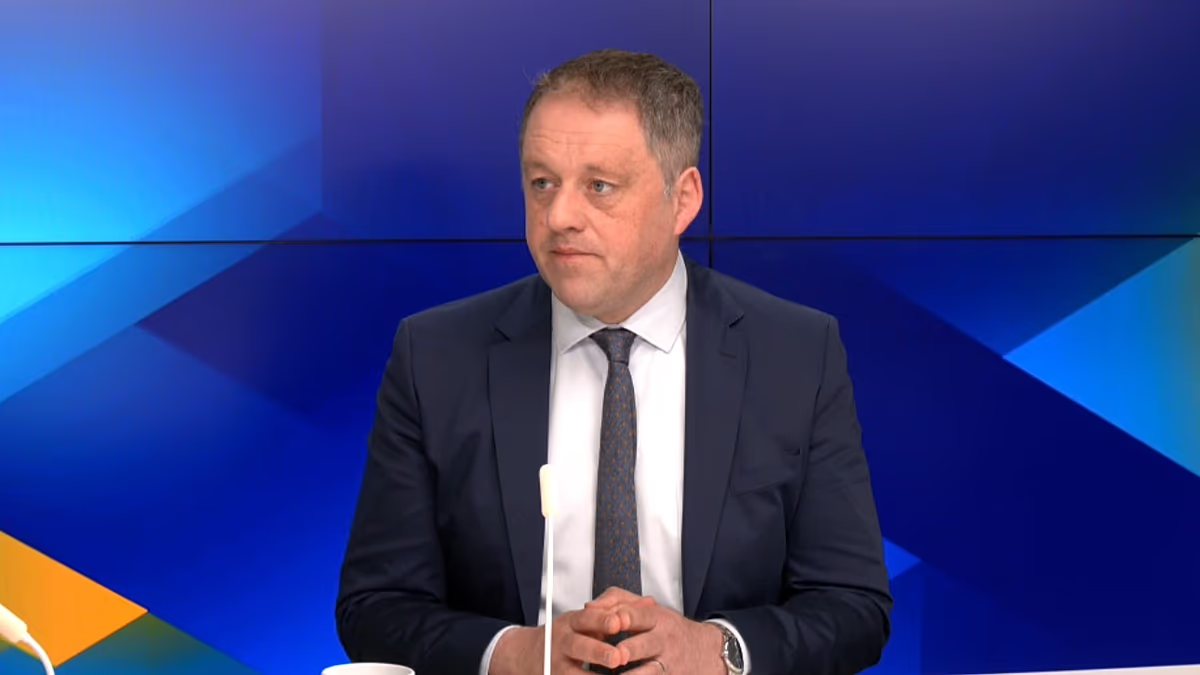
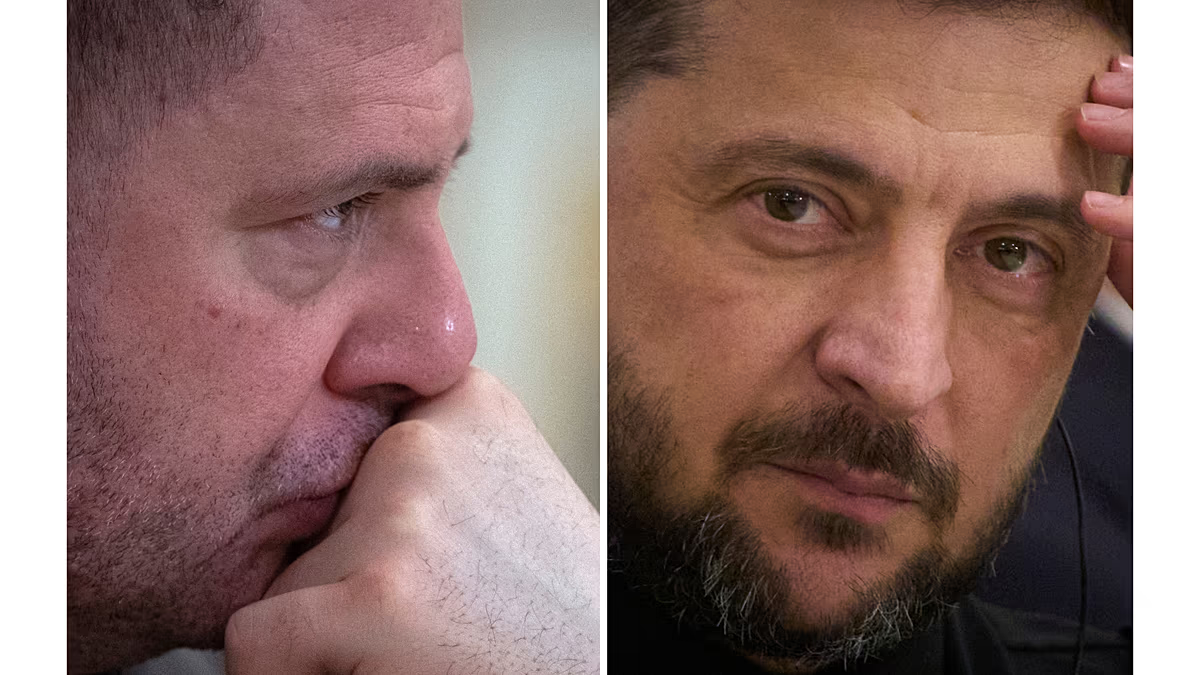
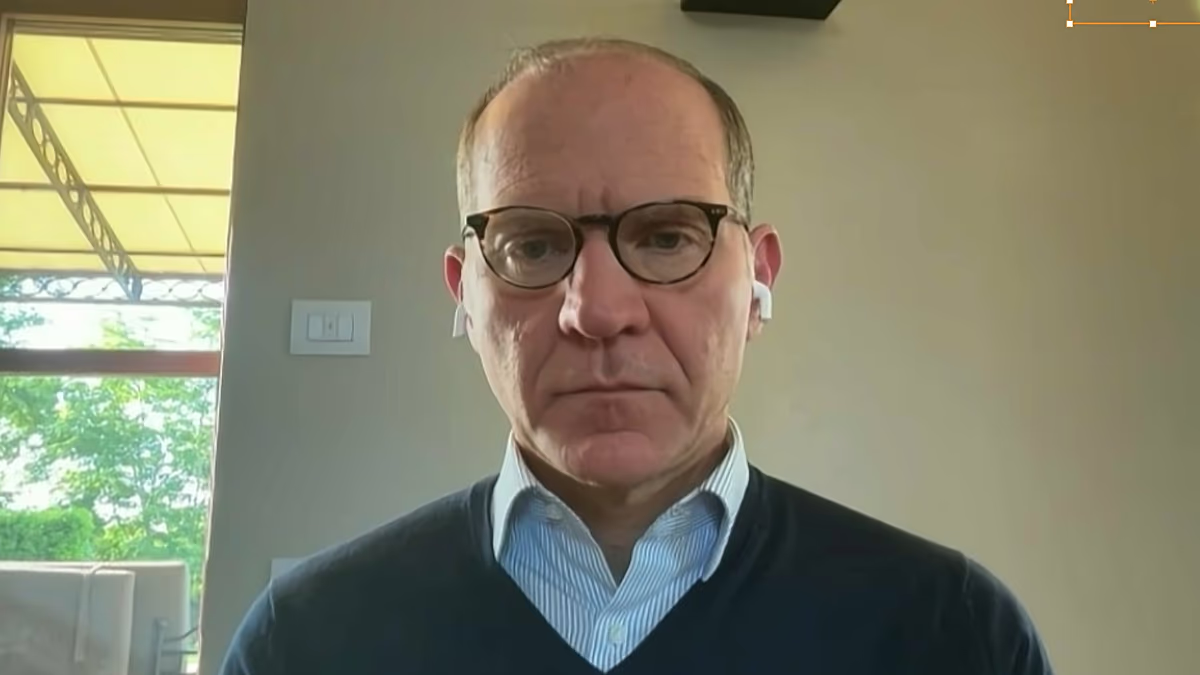
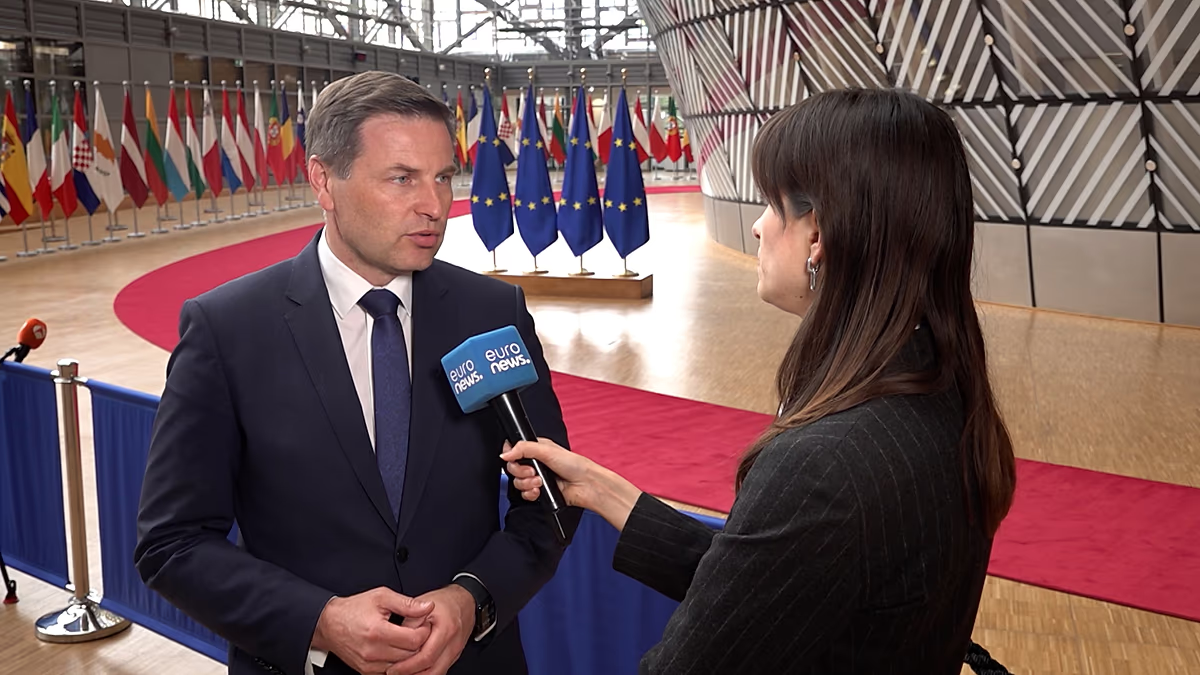
In a recent and candid interview with Euronews, Estonian Defence Minister Hanno Pevkur addressed a matter of deep concern for both Ukraine and its European allies: the crucial need for transparency and accountability in the management of substantial financial aid. The context for this discussion is particularly sensitive, as it follows the opening of an investigation into graft allegations involving a former high-ranking aide to Ukrainian President Volodymyr Zelenskyy. Against this backdrop, Pevkur emphasized that there is “no question” that rigorous accountability mechanisms must be enforced regarding the European Union’s significant €90 billion loan to Ukraine. His message was clear: trust is the foundation of sustained support, and it must be actively maintained.
Paragraph 2
Pevkur’s comments underscore a shared understanding between donor nations and Ukraine itself. He pointed out that Ukrainian authorities are treating these concerns with the utmost seriousness, recognizing that their own future depends on it. For Ukraine, ensuring the proper use of aid is not merely a procedural matter; it is vital for silencing damaging rumours, maintaining domestic morale, and securing the continuous flow of support essential for both the current war effort and the long-term reconstruction of the country. This path, Pevkur noted, extends “even after the war is over,” highlighting that European partnership is a marathon, not a sprint, and integrity is the fuel that will sustain it.
Paragraph 3
The Minister framed accountability not as a punitive demand from Europe, but as a mutual responsibility. He stressed that it is “first and foremost up to the Ukrainians” to demonstrate that systems are functioning correctly and funds are being used appropriately. This demonstration is necessary to reassure two key audiences: the Ukrainian people, who endure the daily realities of war and sacrifice, and the European public and governments, whose continued political and financial commitment is indispensable. Ukrainian Defence Minister Mykhailo Fedorov’s presence at recent EU defence talks symbolizes this direct line of responsibility and dialogue.
Paragraph 4
Pevkur’s perspective reflects a balanced and pragmatic approach. While firmly insisting on transparency, he simultaneously reaffirmed Europe’s unwavering commitment to Ukraine’s cause. He reminded viewers that the ultimate goal remains supporting Ukraine’s survival, its immense rebuilding efforts, and its “path to becoming a normal European country.” The dialogue, therefore, is not about withholding support but about strengthening the partnership’s foundations. It is a call for clear, visible stewardship from Ukraine to alleviate anxieties and solidify the alliance, ensuring that help continues to flow where it is needed most.
Paragraph 5
This theme of reinforced cooperation and shared security will extend beyond Brussels. The focus on Ukraine’s needs and the mechanisms of support is set to continue at the B9 Summit in Romania, a gathering of nations on NATO’s Eastern and Nordic frontiers. The summit aims to deliberate on how these allies, who often feel the geopolitical tensions most acutely, can contribute more substantially to transatlantic and European security. The discussions will inevitably intertwine with the topic of aid effectiveness, as robust security is built not only on military assistance but also on the stable and accountable governance of resources.
Paragraph 6
In essence, Pevkur’s interview captures a critical moment in the European-Ukrainian relationship. It moves beyond the simplistic narrative of donor and recipient to depict a mature, interdependent alliance navigating complex challenges. The message is one of shared stakes: Ukraine’s future is intertwined with European security, and Europe’s resolve is linked to Ukraine’s credibility. The ongoing investigations and talks are stress tests for this partnership. By confronting these issues of accountability openly, both sides aim to build a more resilient, transparent, and enduring framework for support—a necessity for the arduous journey from war to peace and integration.