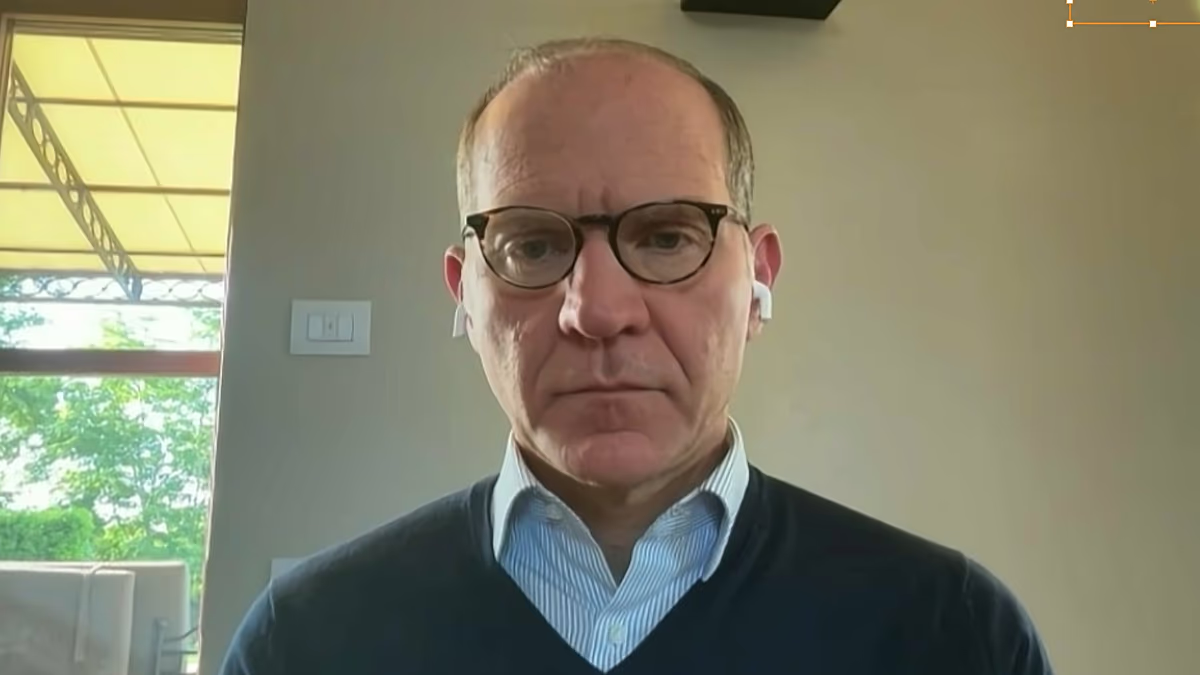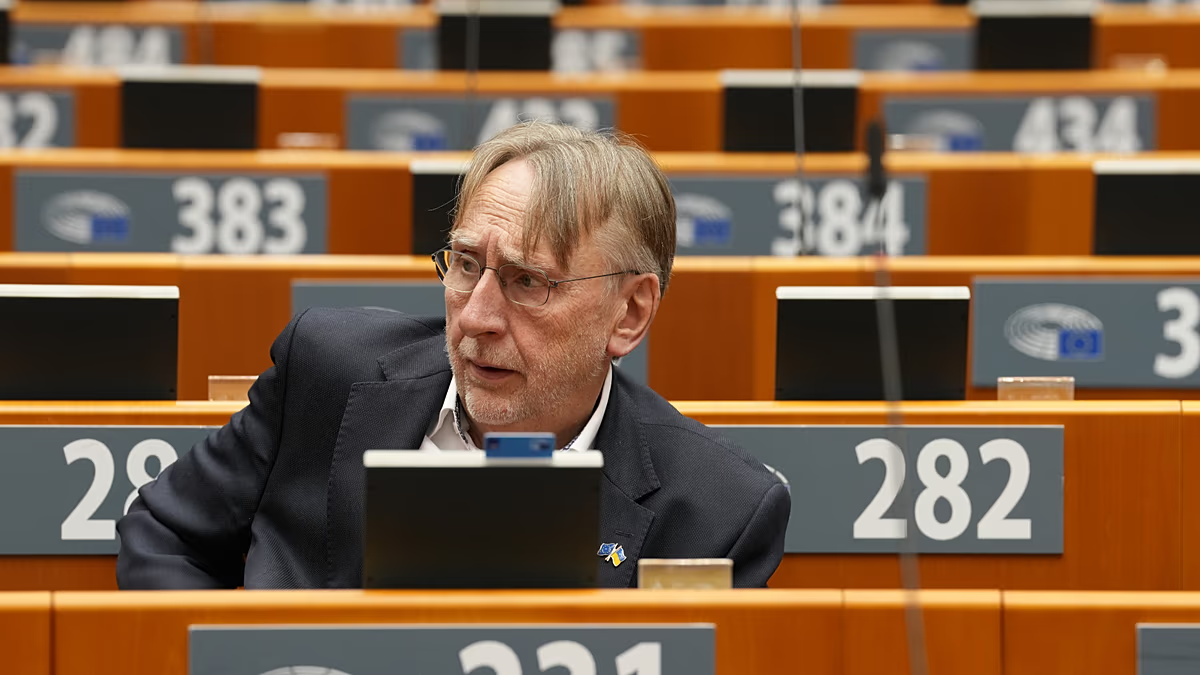

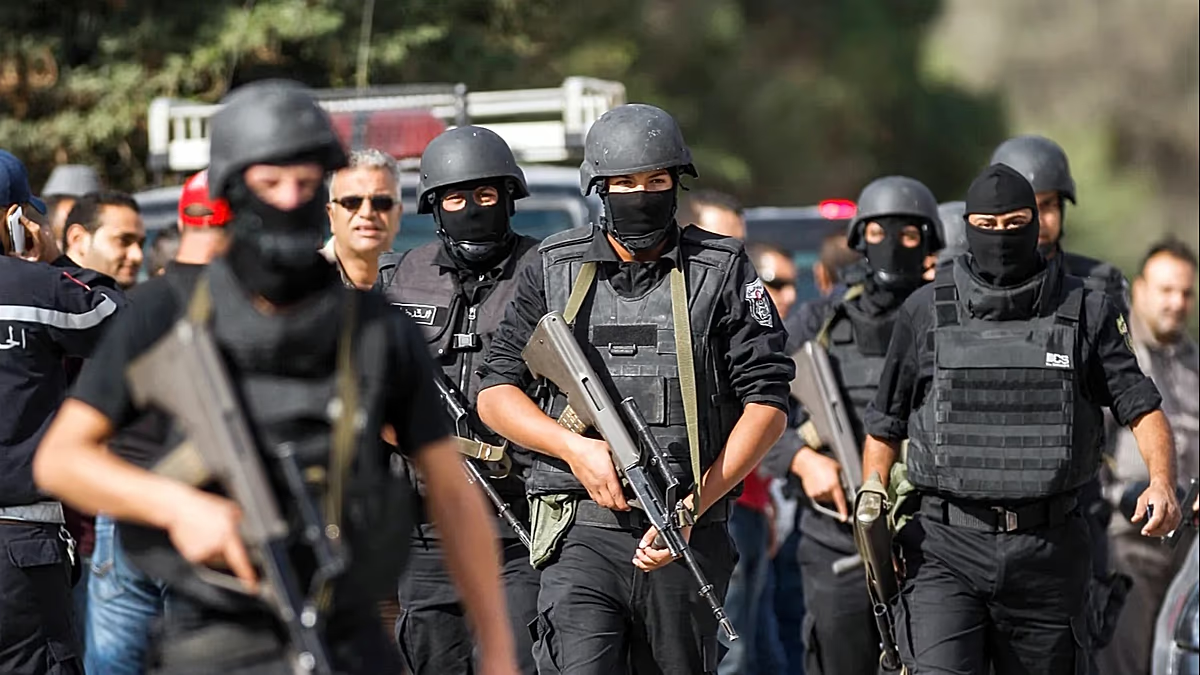


In a significant breakthrough for Swedish law enforcement, a key figure within the notorious Foxtrot criminal network was apprehended over the weekend in Tunisia. The arrested individual, a man around 30 years old, is suspected of involvement in multiple violent crimes, including murder. Swedish authorities have heralded this as a strategically vital arrest, one they believe will directly impair the network’s capacity to inflict further violence. The operation, dubbed “Grimm,” was the product of close international cooperation between Swedish and Tunisian police, underscoring a determined effort to pursue criminals beyond national borders. According to reports from Sweden’s public broadcaster SVT, the man is Mohamed “Moewgli” Mohdhi, widely considered to be the right-hand man of Foxtrot’s leader, Rawa Majid.
The Foxtrot network, formed in the late 2010s around Majid, has been a central actor in Sweden’s prolonged struggle with gang violence. Based primarily in Stockholm and the university town of Uppsala, Majid’s hometown, the organization has been linked to dozens of violent incidents. This arrest specifically targets what police term a “high value target” within the broader campaign against “violence as a service.” This chilling business model involves the online recruitment of individuals, frequently minors, to carry out acts of violence on behalf of orchestrators who often operate from abroad, insulating themselves from direct repercussions. The capture of Mohdhi strikes at a crucial node in this system.
Sweden’s gang crisis, which has escalated over more than a decade, is fueled primarily by territorial disputes and battles for control over the lucrative drug trade. The violence has created a climate of fear, with tragic consequences extending far beyond the criminal underworld. Just earlier this month, police revealed a sobering statistic: in the past three years alone, 23 innocent bystanders have been killed and another 30 wounded in gang-related shootings. These figures paint a stark picture of a societal conflict spilling onto public streets, making the dismantling of networks like Foxtrot a matter of urgent public safety.
This international arrest follows a similar pattern from July 2025, when Swedish authorities announced the capture of Ismael Abdo, the head of Foxtrot’s rival organization, Rumba, in Turkey. These coordinated actions signal a deliberate and escalating strategy by the Swedish state to systematically target the leadership of these gangs, regardless of where they seek refuge. The message is clear: the reach of Swedish justice is extending globally. By focusing on these high-profile leaders, authorities aim to decapitate the networks and disrupt their operational chains of command.
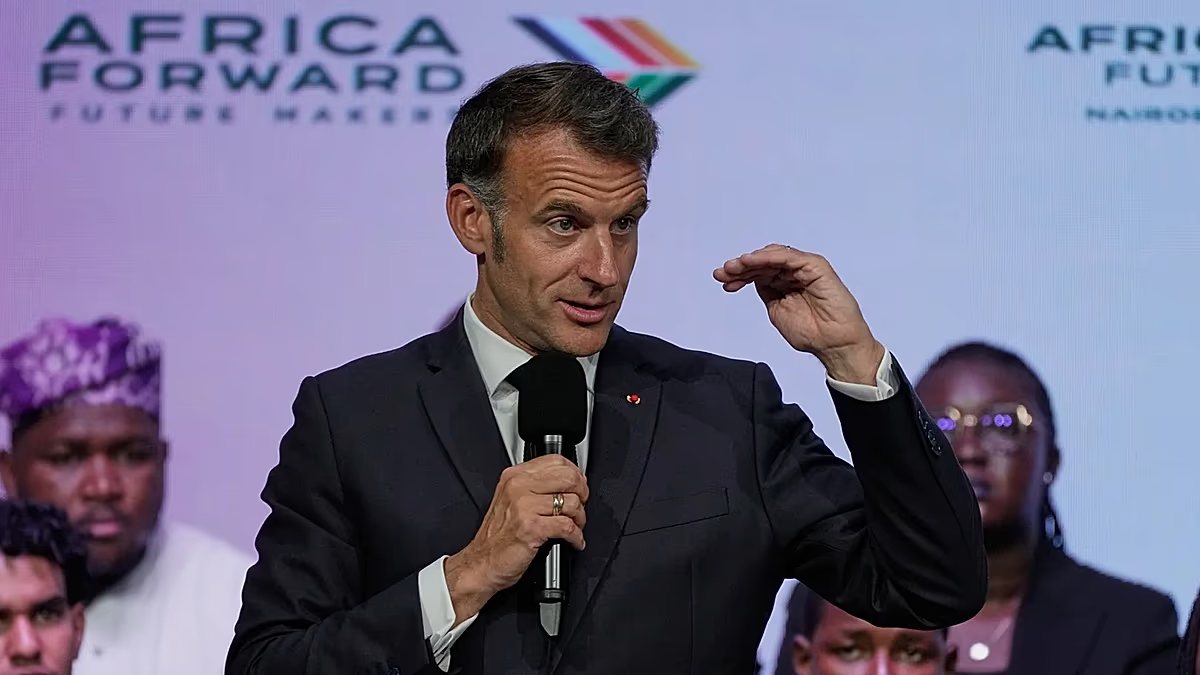
The political resonance of this arrest was immediately underscored by Swedish Prime Minister Ulf Kristersson. Speaking to the TT news agency, he emphasized that the primary impact of the arrest was “the signal it sends.” His statement was a declaration of unwavering resolve: “We will not back down. We will go after them one by one, even abroad, if they are dangerous to people in Sweden.” This firm stance reflects both the severity of the crisis and the government’s commitment to deploying all necessary tools, including international police collaboration, to reclaim security for its citizens.
In summary, the arrest in Tunisia represents more than just the capture of another alleged criminal. It is a tactical victory in Sweden’s protracted war against gang violence, demonstrating an effective model of cross-border law enforcement. By targeting a central actor in the Foxtrot network, authorities hope to degrade its ability to function and to curb the tragic phenomenon of “violence as a service.” While the path to ending the gang violence remains long and complex, this operation marks a pivotal moment, proving that key figures can be reached and that the state’s pursuit will be relentless, offering a measure of hope to a nation weary of conflict.