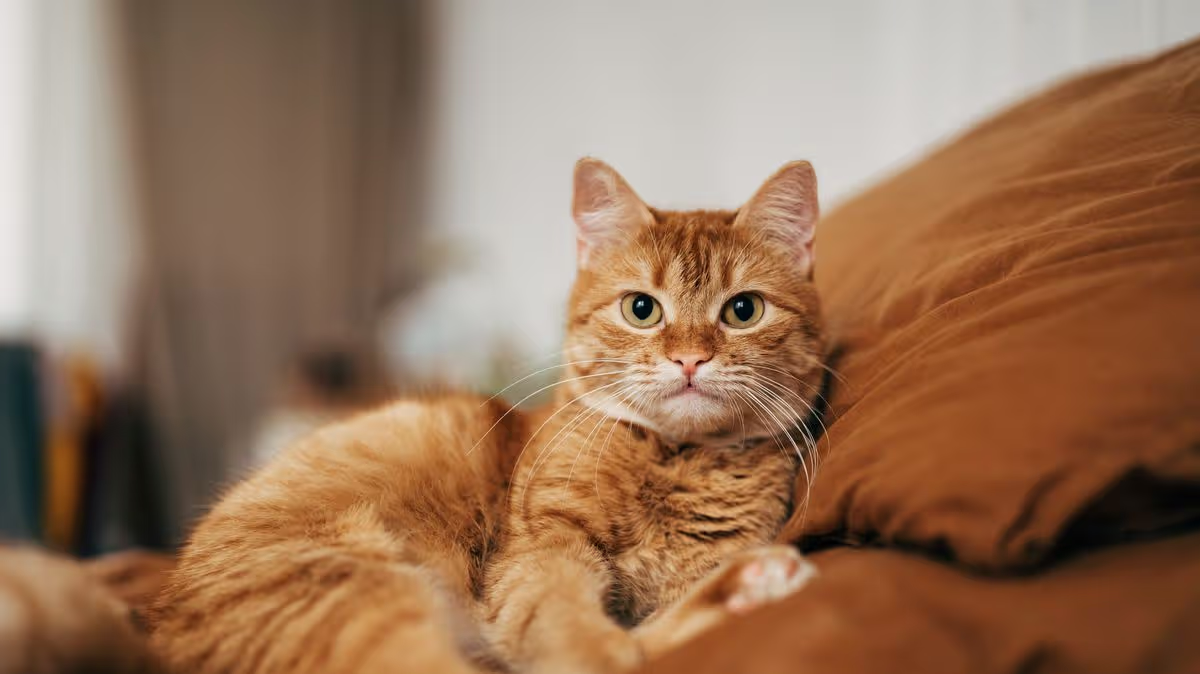
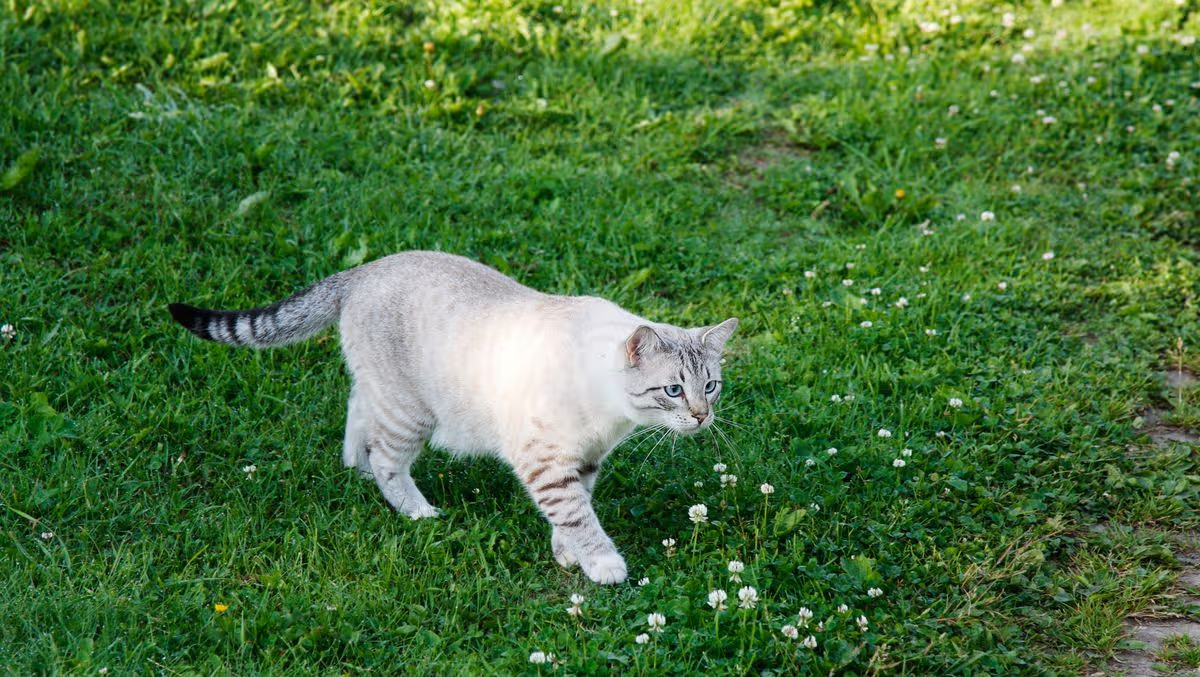



The discovery of cat faeces in a private garden is a familiar and deeply frustrating experience for countless residents across the United Kingdom. This issue becomes especially prevalent during the spring and summer months, as people begin to spend more time tending to and enjoying their outdoor spaces. The sight and smell of this unwelcome waste, often deposited in freshly turned soil or prized flowerbeds, can quickly turn a haven of relaxation into a source of ongoing annoyance. For many, the instinct is to seek a legal solution or to demand that a neighbour control their pet. However, homeowners are often shocked to learn that UK law offers them remarkably little recourse in these situations, a legal reality that stands in stark contrast to the palpable sense of invasion felt when one’s personal space is repeatedly used as a toilet.
This sense of helplessness stems from the unique legal status afforded to cats under British law. Unlike dogs, cats are broadly considered to have a ‘right to roam.’ This means they are legally permitted to wander into neighbouring gardens and properties, and crucially, their owners are not generally held responsible for any fouling that occurs there. Therefore, a neighbour whose cat treats your vegetable patch as its regular litter box is not automatically breaking the law. With an estimated 11 million pet cats in the UK, this creates a widespread point of friction in residential communities. The law effectively places the burden of managing the problem not on the cat’s owner, but on the gardener who wishes to defend their space, leading to feelings of frustration and inequity.
Given this legal landscape, it is paramount to understand what actions are prohibited. Animal welfare charities like Cats Protection and the RSPCA strongly emphasise that harming or trapping a cat could constitute a criminal offence under the Animal Welfare Act 2006. This rules out the use of poisons, physical traps, or any deterrent designed to injure the animal. There is a narrow potential avenue under the Environmental Protection Act 1990, where excessive animal fouling could be classified as a statutory nuisance. However, legal experts clarify that this would require an extreme scenario—such as a significant number of animals creating a persistent health hazard over a long period. The occasional visit from a single neighbourhood cat almost never meets this high threshold, making council intervention a rare outcome for the typical gardener’s complaint.
Consequently, the most practical and ethical path forward lies in the use of humane, preventative deterrents. The goal is to make your garden an unattractive or inconvenient location for a cat to relieve itself, without causing it harm. Popular and effective strategies include using scents that cats find disagreeable, such as citrus peels or commercially available citrus-scented gels. Creating physical barriers or uncomfortable surfaces is also highly effective; laying prickly branches or planting thorny shrubs like berberis in vulnerable beds, or using a layer of gravel or chicken wire just beneath the soil surface, can discourage digging. Motion-activated sprinklers are often hailed as one of the most successful solutions, startling the cat with a harmless spray of water and conditioning it to avoid the area. Even simple changes, like ensuring dense ground cover on bare soil or blocking common access routes, can significantly reduce the appeal of your garden.
The debate around this topic is often heated, as evidenced by countless online forums where homeowners exchange advice and vent their frustrations. On platforms like Reddit, the shared exasperation is palpable, but the discussions also yield a wealth of community-tested, pragmatic ideas. Alongside recommendations for sprinklers and citrus, suggestions often include using pepper, planting lavender or rosemary, or simply being present and gently shooing interlopers away when seen. As one user pragmatically noted, making a garden feel less safe and secure for a cat—by removing easy hiding spots or escape routes—can be enough to persuade it to find a more secluded spot. These conversations highlight a collective understanding that while the situation is irritating, the solution rests in clever, persistent, and kind defence of one’s own plot.
Ultimately, navigating the issue of roaming cats requires a blend of realism, patience, and humane ingenuity. Accepting the legal ‘right to roam’ is the first step, however frustrating it may be. From there, the focus shifts to a gentle but persistent campaign of garden modification. By employing scent, texture, technology, and smart planting, it is possible to reclaim your outdoor space. The process may involve some trial and error to see what works best for the particular felines in your area, but the consistent application of non-harmful deterrents is the key to success. This approach allows gardeners to protect their sanctuaries while respecting the welfare of the animals, fostering a more harmonious coexistence, even if it is an occasionally grudging one.