

A Global Chessboard: Superpower Summits and the Rise of Middle-Power Coalitions
Good morning. This is Angela Skujins, reporting from the Euronews desk, where today we’re unpacking a pivotal moment in international diplomacy and its ripple effects across the globe. As the world’s two largest economies prepare for a high-stakes meeting, a parallel and perhaps equally significant story is unfolding: the strategic regrouping of middle powers seeking stability and partnership beyond the unpredictable theatre of superpower politics. This isn’t just about headlines from Washington and Beijing; it’s about how nations like Canada, Australia, and the European Union are proactively writing their own script for a more collaborative, rules-based future.
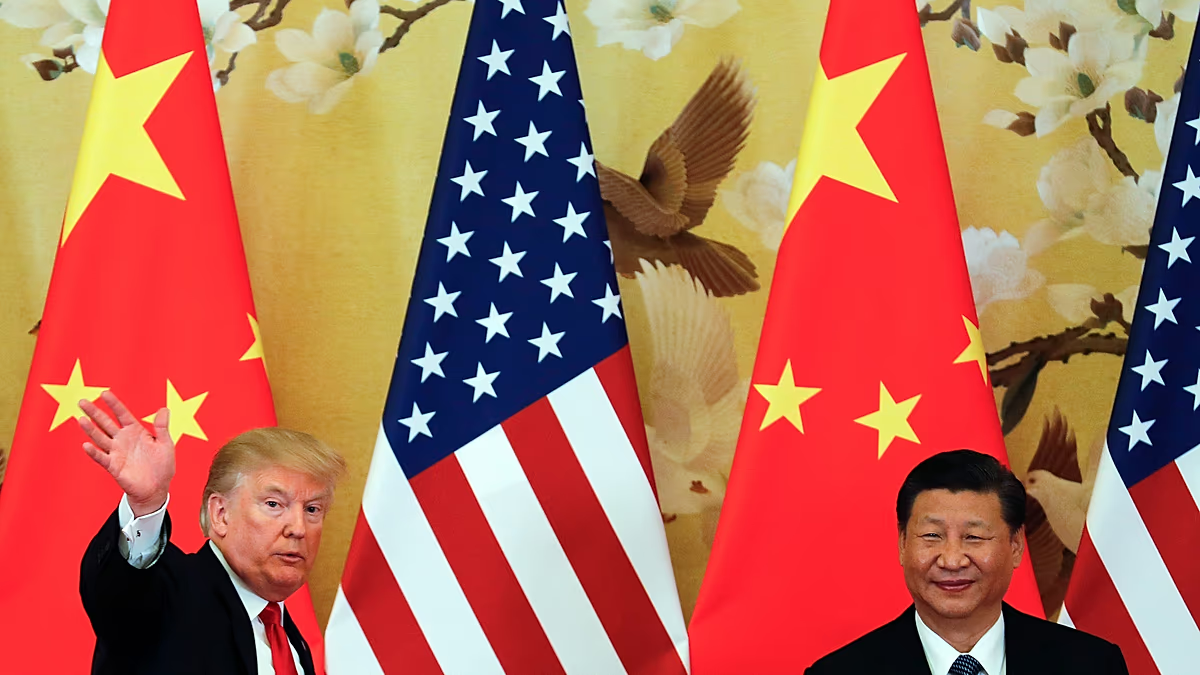
The immediate focal point is the upcoming visit of US President Donald Trump to Beijing, his first in nine years. Against a backdrop of persistent trade tensions, the war in Iran, and the ever-sensitive issue of Taiwan, the summit is laden with both symbolism and substance. While President Trump, despite a politically weakened hand, seeks a potential trade deal and a rollback of tariffs, the encounter underscores a world where superpower relations are defined by sporadic conflict and transactional diplomacy. This reality has forced a profound recalculation among other nations. The question is no longer merely how to react to US-China dynamics, but how to build resilient, alternative frameworks for trade and security that can endure beyond the whims of hegemons.
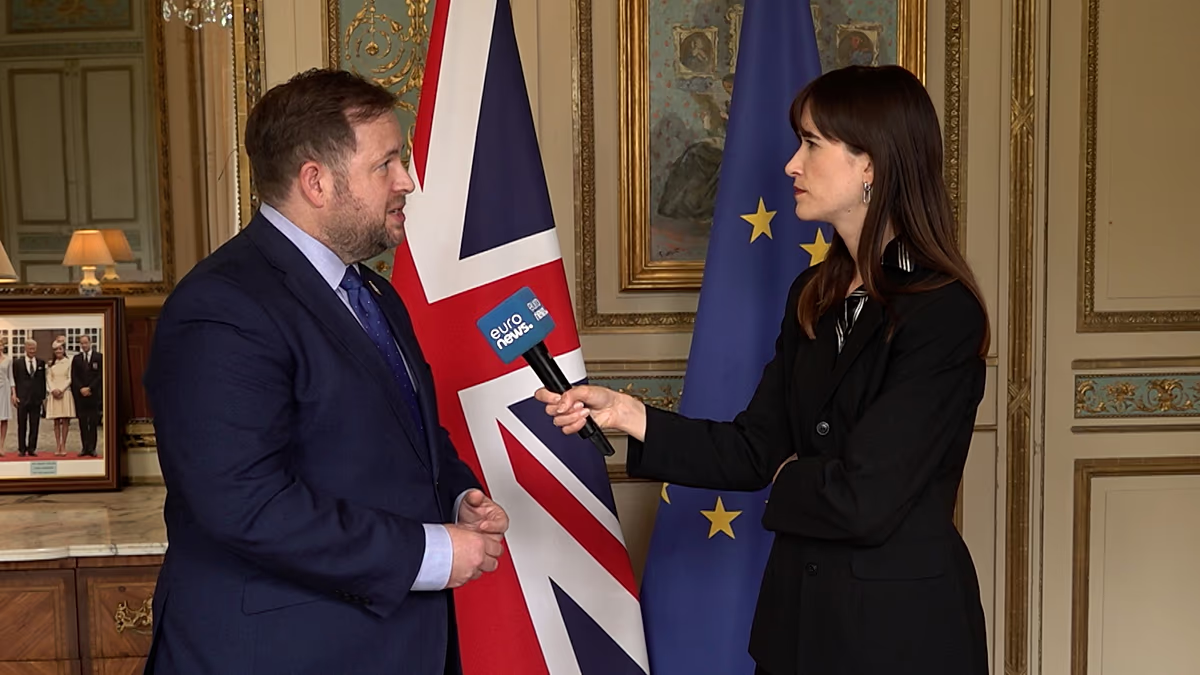
In response, a compelling vision is being articulated, most notably by middle powers championing multilateralism. Canadian Prime Minister Mark Carney set the tone at Davos, arguing against a world run by hegemons and calling for a coalition of like-minded nations committed to a rules-based international order. This philosophy is now being actively translated into policy. Canada’s historic participation in the European Political Community summit—as the first non-European nation to do so—signals a profound deepening of transatlantic ties. Foreign Minister Anita Anand emphasizes that this burgeoning partnership with the EU, cemented by numerous new agreements, is a strategic and enduring choice, not merely a temporary reaction to American tariffs. It represents a shared desire to “work together pragmatically” to deliver tangible economic and security benefits, building a bloc of stability.
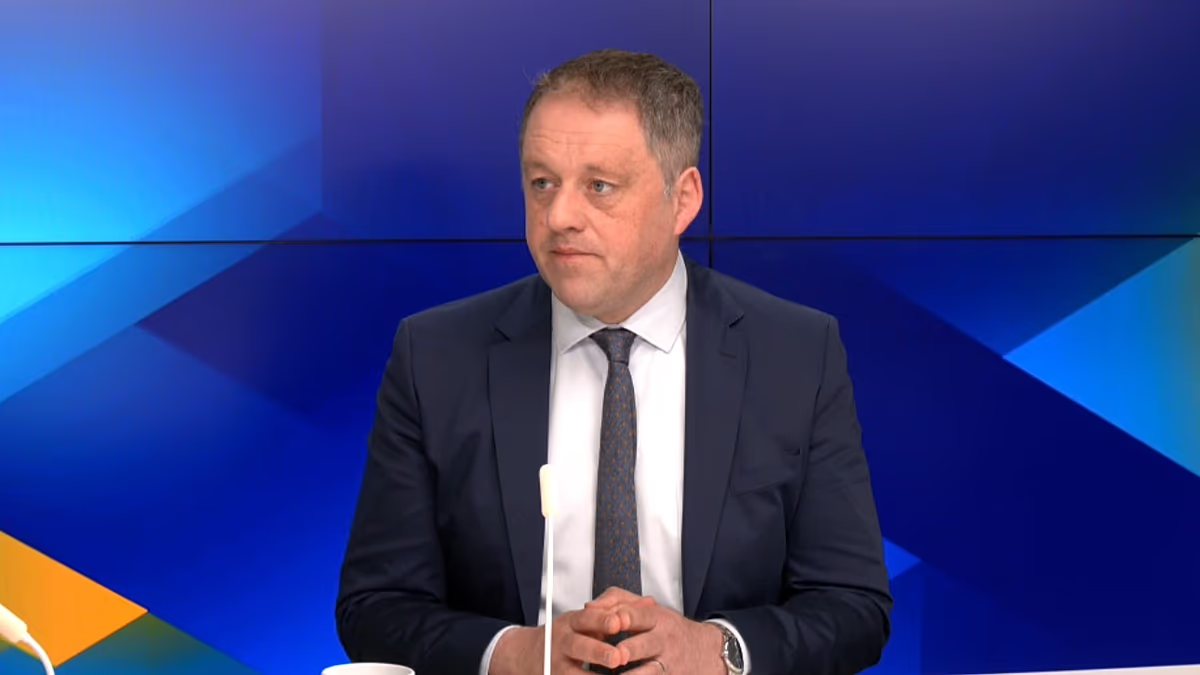
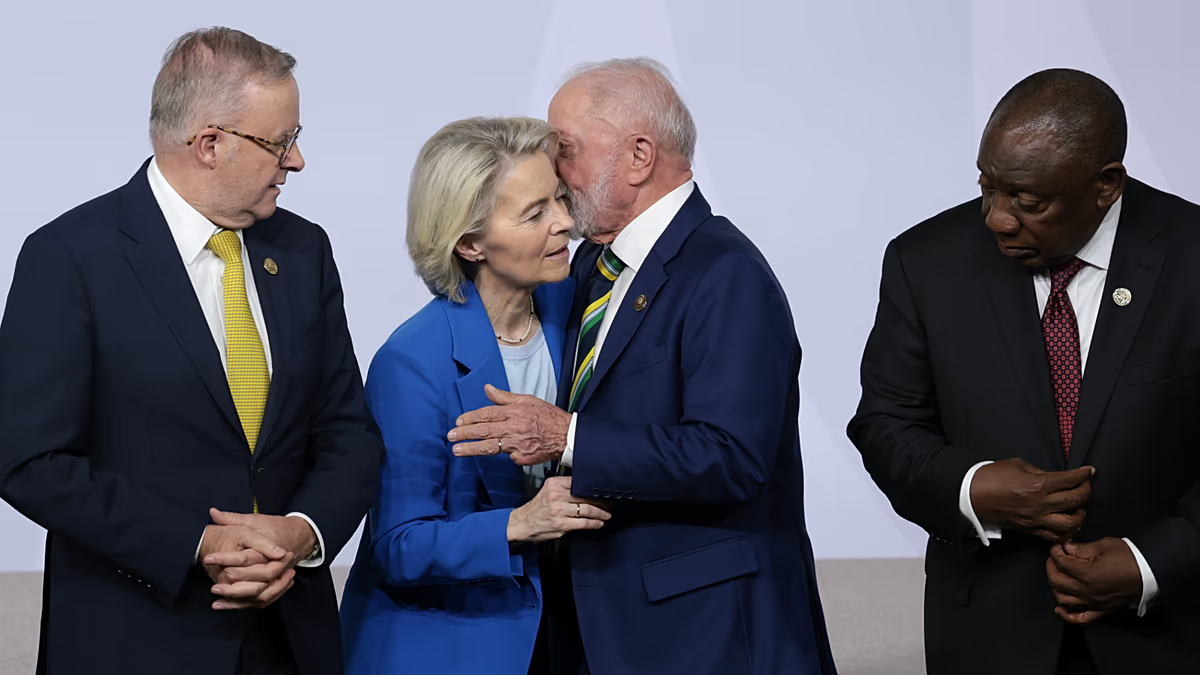
This coalition-building extends across the globe to the Pacific. Australia’s recent landmark free trade agreement with the European Union, celebrated with symbolic handshakes and koalas, is a testament to this same strategic diversification. By aiming to eliminate over 99% of tariffs, the pact is both an economic boon and a strategic statement. As Australia’s Ambassador Angus Campbell notes, while Australia maintains a significant trade relationship with China, its prosperity as an island continent is inherently tied to diversified global partnerships and the integrity of trading rules. His message is clear: resilience is found in multiple strong relationships, not over-reliance on any single partner. This mirrors the EU’s own approach, seeking to solidify ties with reliable democratic partners across the hemispheres.
As the world watches the pomp and negotiation in Beijing, the parallel movements in Brussels, Ottawa, and Canberra may ultimately prove more formative for the long-term international order. These middle powers are not passively waiting for outcomes from superpower summits; they are actively constructing a network of agreements and alliances based on shared democratic values and mutual economic interest. They are slotting themselves into the global framework not as bystanders, but as architects of a complementary system designed to ensure their security and prosperity regardless of the oscillations between Washington and Beijing. This represents a quiet but determined shift from a bipolar or unipolar world towards a more multipolar and networked one.
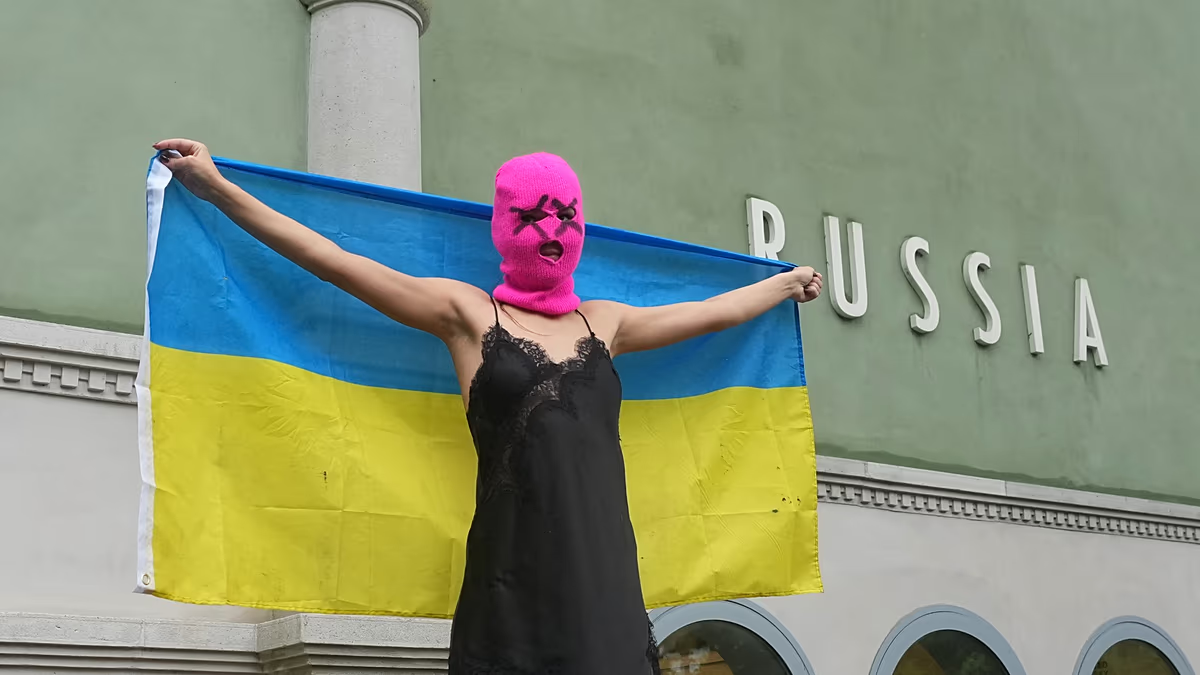
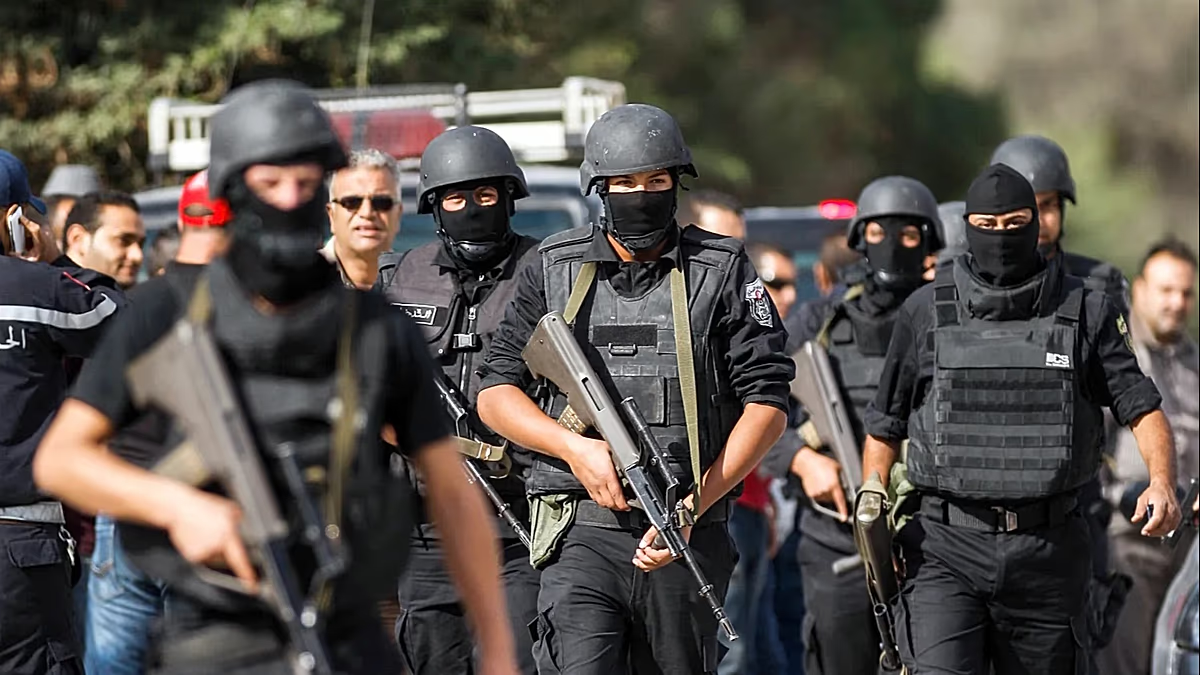
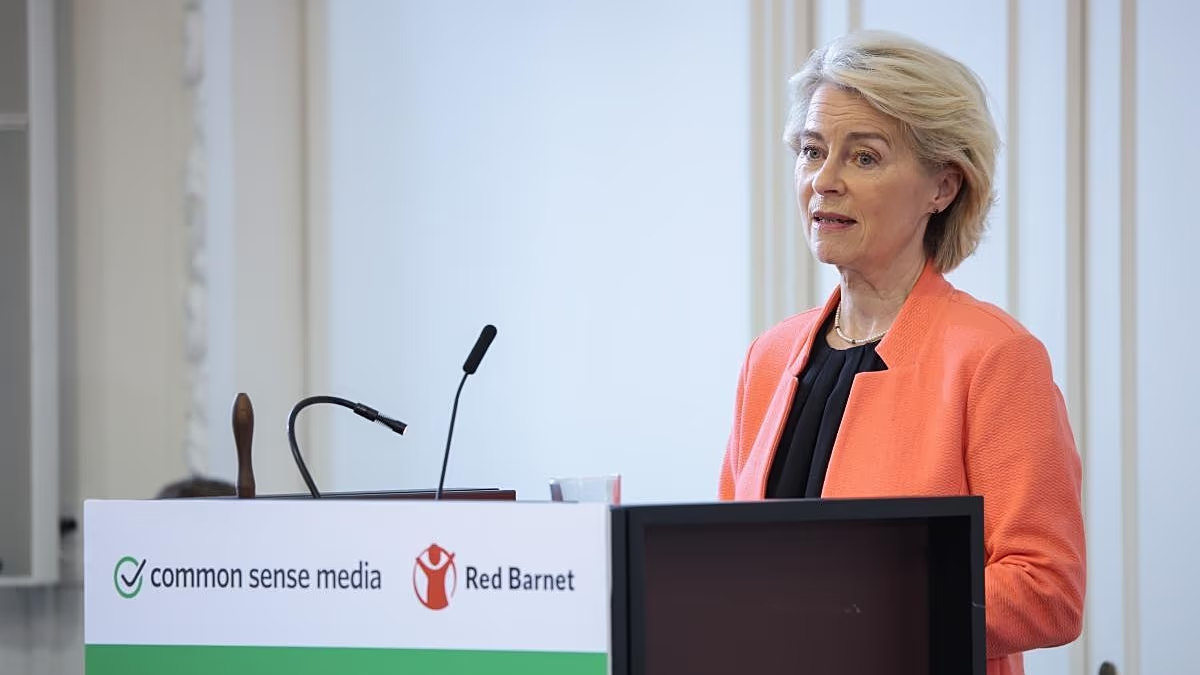
Meanwhile, the EU continues to assert its role as a regulatory and values-based power on the global stage and within its own borders. European Commission President Ursula von der Leyen’s announcement of a potential bloc-wide social media ban for children highlights this, responding to widespread concern over the digital well-being of minors. This proactive legislation, alongside internal challenges like the significant protests in Belgium against government reforms and debates over cultural funding as seen with the Venice Biennale controversy, illustrates a union deeply engaged in shaping its societal and economic model. From trade pacts with Australia to digital regulations and managing internal dissent, the EU is simultaneously consolidating its internal market and extending its influence outward, proving itself to be a central pillar in the emerging coalition of middle powers seeking a stable and principled path forward in a complex world.