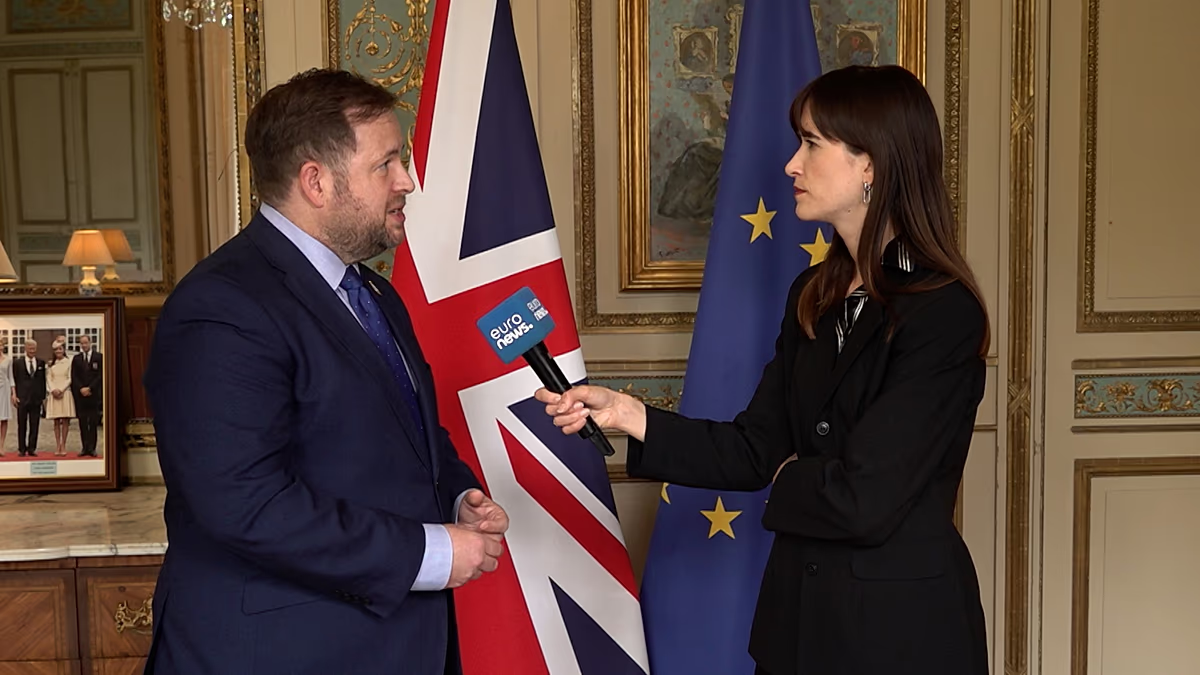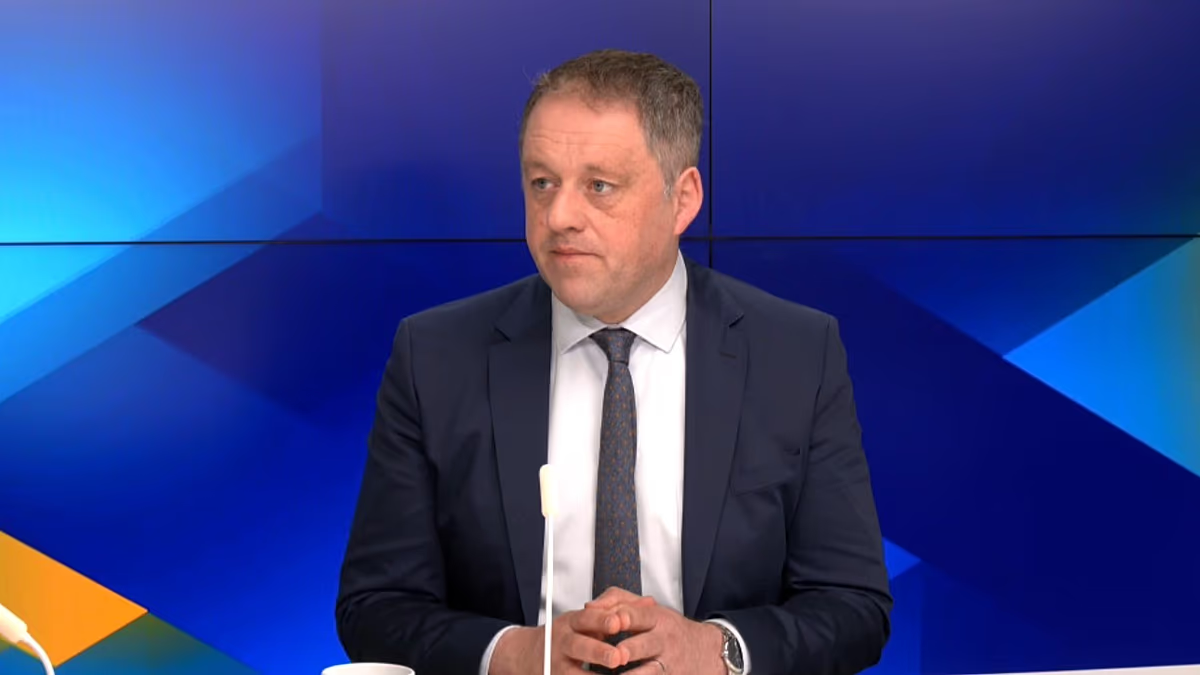
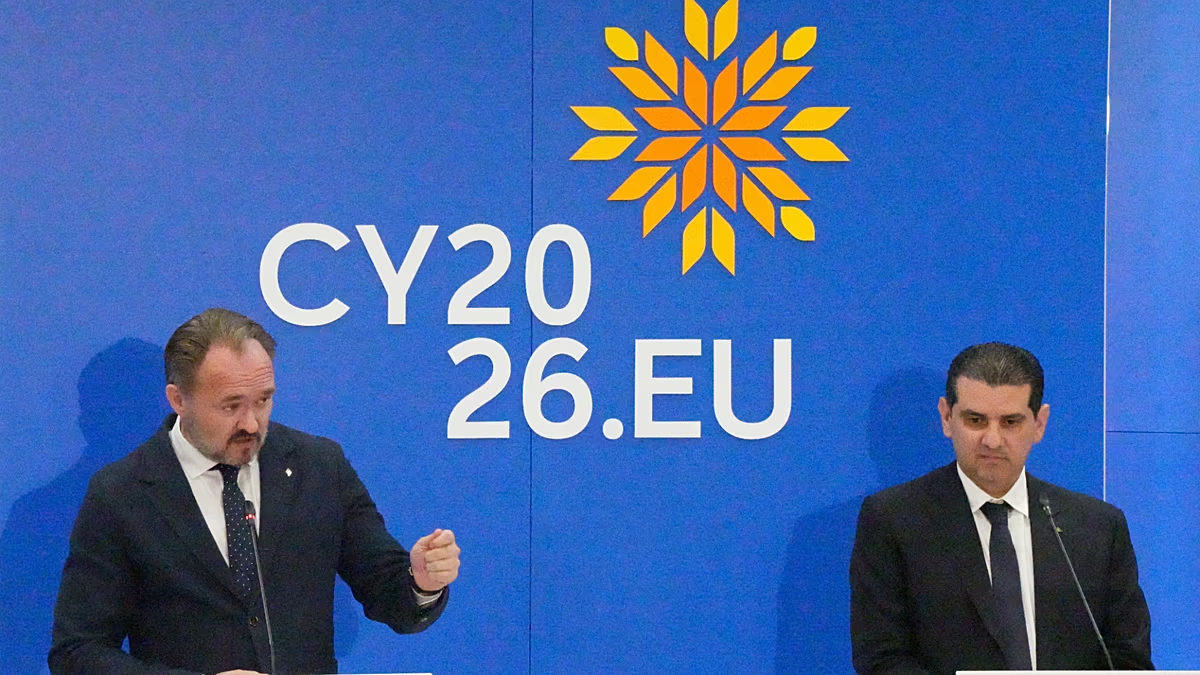



Europe stands at a critical juncture in its energy transition, a point underscored by a recent meeting of the EU’s energy ministers in Cyprus. The bloc has become remarkably adept at generating clean power, with wind and solar installations expanding at a rapid pace. However, this very success has exposed a profound and dangerous weakness: a severe lack of infrastructure to store that power. The sun doesn’t always shine, and the wind doesn’t always blow, meaning the electricity grid must balance intermittent supply with constant demand. Without sufficient storage, this surplus clean energy is wasted, leading to grid instability, price volatility, and a paradoxical “congestion” of green power that cannot be effectively used. This storage gap threatens to undermine the EU’s climate ambitions and energy security, creating a new vulnerability even as it seeks independence from fossil fuels.
Compounding this strategic challenge is a troubling new dependency. As the ministers noted, the European market for battery energy storage systems is overwhelmingly dominated by Chinese manufacturers. Data indicates Chinese firms control over 80% of the residential storage segment and supply nearly 88% of the bloc’s lithium-ion battery imports. This reliance echoes the painful lessons of the recent past, where dependence on Russian gas left the continent geopolitically and economically exposed. The upheaval caused by the war in Ukraine, and more recently, disruptions in the Middle East that have added billions to energy costs, have made the EU acutely aware of the risks of concentrated external dependencies. The debate in Cyprus therefore transcended mere infrastructure planning, becoming a urgent discussion about “green autonomy” and the geopolitical implications of the clean energy supply chain.
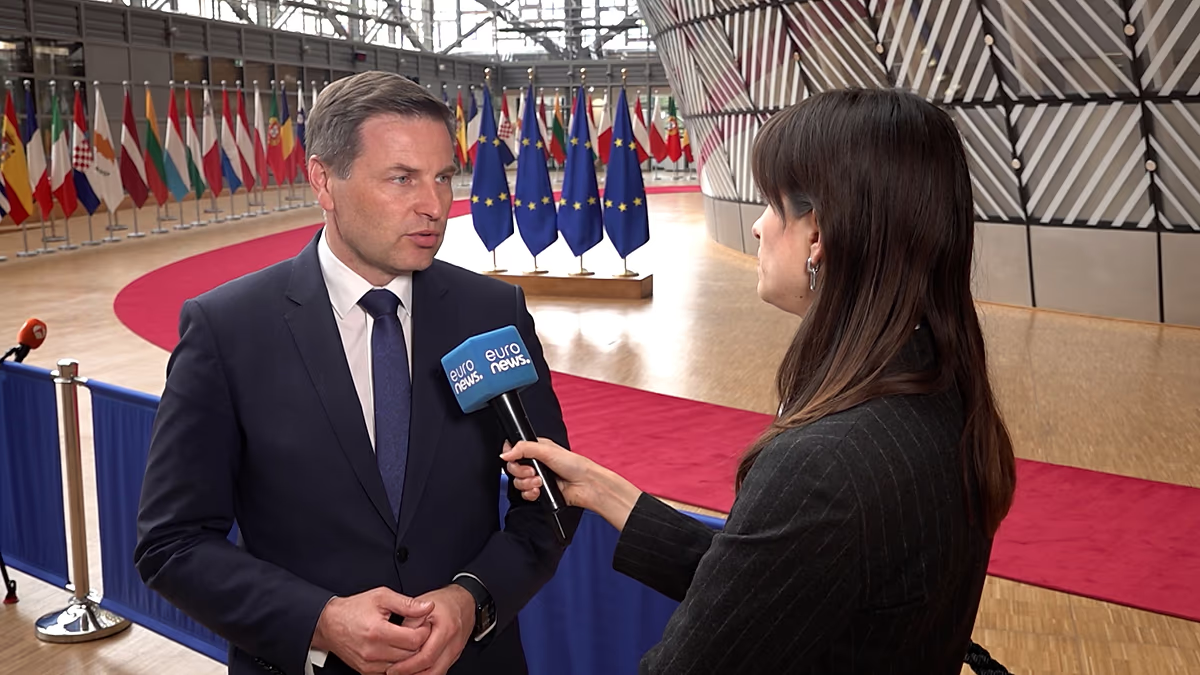
In response, ministers advocated for a dual-track approach: rapid deployment of diverse storage technologies and a push to bolster European industrial capacity. While acknowledging the current dominance of lithium-ion batteries, officials highlighted the importance of alternative solutions like pumped hydro and thermal storage, which can provide large-scale, long-duration backup. Lithuanian Energy Minister Žygimantas Vaičiūnas pointed to his country’s successful installation of over one gigawatt of storage capacity as a model. Crucially, storage was framed not just as a grid tool, but as a strategic manufacturing sector vital for the EU’s future competitiveness. Pointing to the recently adopted Net-Zero Industry Act (NZIA), the discussions mirrored a broader push to onshore clean tech production, a move influenced by both China’s market dominance and the competitive subsidies of the U.S. Inflation Reduction Act.
However, building this resilient, storage-backed energy system faces significant internal political hurdles. The vision for a fully integrated and electrified European energy market, where storage smooths out cross-border power flows, clashes with enduring national sovereignty concerns. A stark example is Sweden’s recent decision to pause a new power cable to Denmark in protest against a European Commission proposal on funding grid upgrades. Swedish Energy Minister Ebba Busch argued that “the EU should not receive Swedes’ electricity money,” highlighting the tension between supranational governance and national control. As Cypriot Energy Minister Michael Damianos, mediating the talks, stressed, coordinated action is “essential,” yet achieving it requires navigating these deep-seated political divides over who controls and pays for the shared energy future.
Realistically, experts suggest that complete independence from China in the battery supply chain is unattainable in the near term. The legacy of Chinese investment and expertise is too deeply embedded. Instead, a strategy of “selective de-risking” is emerging as the more pragmatic path. This involves diversifying suppliers, investing in specific critical segments of the value chain within Europe, and fostering innovation in next-generation storage technologies where the bloc can gain a competitive edge. The goal is not outright decoupling but building sufficient leverage, resilience, and alternative options to prevent over-reliance on any single foreign supplier, thereby mitigating the geopolitical risk.
The gathering in Cyprus ultimately highlighted that Europe’s energy transition has entered a complex new phase. The initial sprint to build renewables must now be matched by an equally determined marathon to build the intelligent, flexible, and secure system that can support them. This means massive investment in storage, modernized grids, and accelerated electrification of transport and industry. It also demands a delicate balancing act: fostering a strong, competitive European clean tech industry while managing unavoidable global interdependencies. The bloc’s success in achieving climate neutrality by 2050—and ensuring its economic stability and strategic autonomy along the way—will depend on its ability to master this intricate puzzle, turning the storage challenge into a cornerstone of its future energy sovereignty.