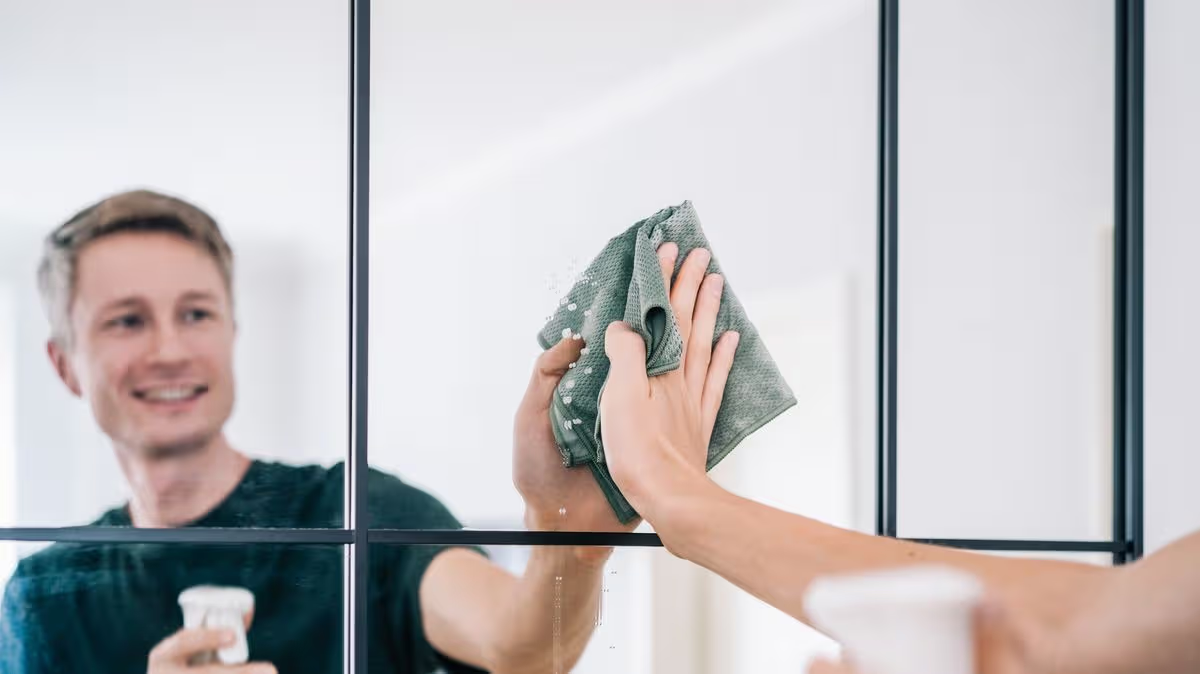




In the midst of modern life’s relentless pace, a quiet revolution in self-care is emerging across Britain. The traditional image of pampering—lavish spa days, silent meditation retreats, or expensive wellness treatments—is being gently set aside in favor of simpler, more grounded rituals. New research, commissioned to coincide with Mental Health Awareness Week, reveals that for many, profound mental wellbeing is found not in indulgent escapes, but in the humble, everyday acts of tending to one’s surroundings. The study, which surveyed 2,000 adults, discovered that activities like giving the bathroom a thorough scrub, meticulously ironing a pile of laundry, or methodically weeding the garden are now ranked among the nation’s most cherished forms of self-care. This shift highlights a deeper, more intuitive understanding of wellness, where caring for the external environment becomes a powerful tool for soothing the internal world.
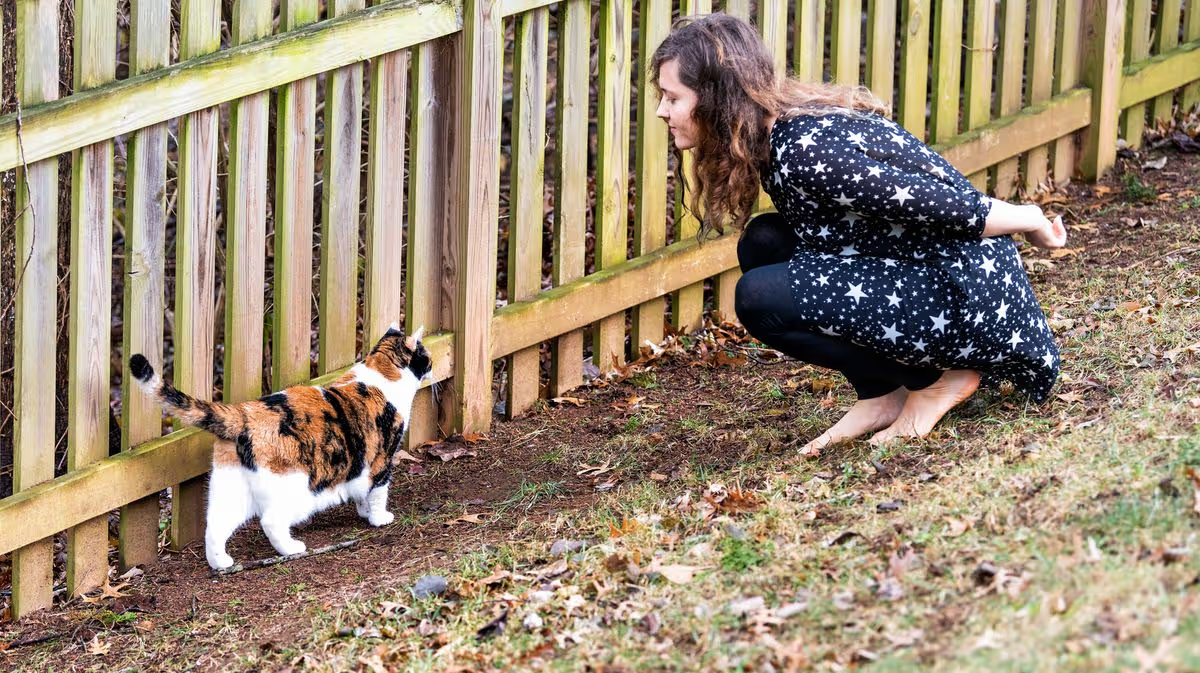
The core insight from this research is the powerful “Care Effect.” For 57% of respondents, the act of nurturing something outside of themselves—be it a living pet, a thriving houseplant, or a cherished possession like a freshly cleaned car—is fundamental to their mental health. Psychologically, these tasks create an external form of mindfulness. The focused attention required to polish a surface, fold clothes neatly, or prepare a meal from scratch draws the mind away from cyclical worries and stresses. As Dr. Zoe Williams, who partnered with the study, explains, this process helps calm the nervous system, clear mental clutter, and restore a sense of balance and control. In a world that often feels chaotic, the simple, achievable order of a tidied room or a well-tended garden provides a tangible anchor, offering quiet satisfaction and a respite from emotional lows.
This personalized approach to wellbeing is highly integrated into daily life. The average adult engages in these acts of self-care about four times a week, totaling just over three hours. The triggers are often relatable: a particularly stressful day at work, a wave of emotional fatigue, or simply the need for precious time to oneself. The resulting ritual is less about achievement and more about presence. Whether it’s the rhythmic sound of an iron gliding over fabric, the sensory pleasure of cooking a favorite recipe, or the quiet companionship of watering plants, these activities forge a mindful connection to the present moment. They are accessible, cost-effective, and seamlessly woven into the fabric of ordinary life, proving that wellness does not require a special occasion or a significant financial investment.
The study also underscores a strong societal belief in the importance of instilling these holistic self-care principles early. An overwhelming 89% of adults feel it is crucial to educate children from a young age about caring for their physical and emotional needs. This education extends beyond hygiene and nutrition to include managing emotions and stress through practical, calming activities. Teaching a child to care for a pet, to find pride in a clean room, or to enjoy the process of baking can lay the foundation for lifelong coping mechanisms. It fosters a mindset where maintaining one’s environment and tending to simple tasks are not seen as chores, but as integral, rewarding components of a healthy, balanced life, thereby building resilience and emotional literacy from the ground up.
Interestingly, the research points toward a future where this very human need for care and companionship may intersect with technology. A significant 27% of people expressed interest in incorporating artificial intelligence into their self-care routines for comfort and emotional support. This is exemplified by innovations like CASIO’s Moflin, a palm-sized AI-powered companion designed with simulated emotions to help users relax. The burgeoning market for emotionally supportive AI suggests a growing appetite for tools that can offer consistent, non-judgmental interaction. While different from the tactile satisfaction of gardening or cleaning, it represents another dimension of seeking balance—a digital companion for moments when human connection or physical activity isn’t possible, yet the need for soothing engagement remains.
Ultimately, the list of the top 30 self-care methods paints a beautifully mundane portrait of modern wellbeing. It is a tapestry woven from walks in fresh air, getting lost in a book, laughing at memes, and the deep comfort of “doing absolutely nothing.” It equally celebrates the restorative power of active care: organizing a cupboard, washing the car, or grooming a pet. This fusion highlights that self-care is no longer a one-size-fits-all prescription but a personal anthology of what makes one feel centered, capable, and calm. It is a reminder that in the gentle rhythm of these everyday rituals—the sweep of a broom, the turn of a page, the quiet focus on a task—lies a powerful, accessible form of healing and a profound way to care for the self by mindfully engaging with the world immediately around us.