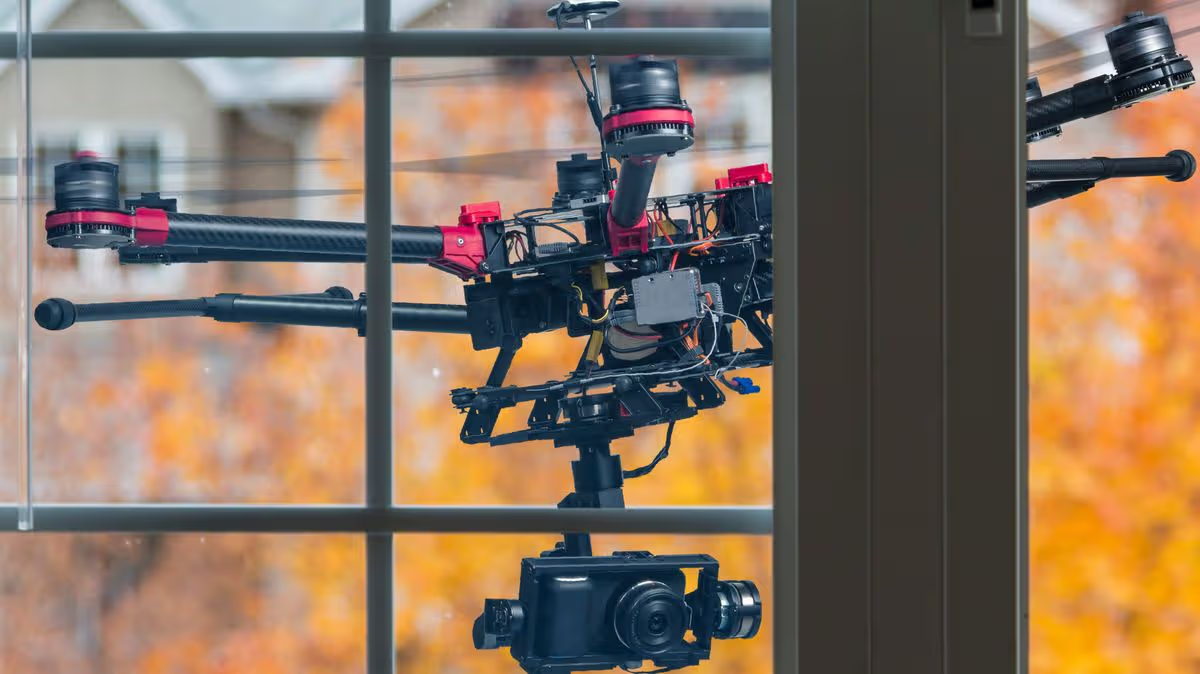



In an era where technology advances far quicker than the public’s understanding of its boundaries, the proliferation of drones has introduced complex new dynamics into our neighborhoods and skies. As of 2025, more than a million drones are buzzing across the United Kingdom, capturing breathtaking vistas, delivering packages, and providing endless hours of hobbyist enjoyment. Yet, this rapid adoption has brought with it a surge in tension and anxiety for many residents. The image of a small, camera-equipped device hovering outside a bedroom window or circling a private garden has transformed from science fiction to a tangible and distressing reality for a growing number of people. Recognizing the urgent need to balance innovation with individual rights, authorities have ushered in a significant regulatory shift, with stringent new legislation taking full effect from the start of 2026. This new legal framework aims to bring order to the skies, mandating that all drone pilots be registered with the Civil Aviation Authority (CAA), but it also underscores a pressing societal challenge: how do we coexist peacefully with these eyes in the sky?
The scale of the problem is illuminated by a dramatic rise in reported incidents. In 2023, police recorded approximately 6,000 drone-related complaints. By 2025, estimates suggested this figure had skyrocketed to between 8,000 and 10,000 reports annually, painting a clear picture of escalating public concern. The nature of these complaints is deeply personal, often striking at the heart of one’s sense of security at home. People report the unnerving feeling of being watched or filmed in their own gardens, the intrusive buzz of a drone lingering by a window, and the intimidating effect of persistent low-altitude flying. Beyond residential disputes, a more sinister subset of incidents occurs over high-security areas, with authorities recording around 18,000 incidents in a recent multi-year period related to legal breaches, criminal activity, and safety threats—most notably a massive spike in drones being used to smuggle contraband into prisons. While the CAA primarily focuses on airspace safety, receiving an average of 44 official safety reports each month, they soberly estimate the true number of incidents may be ten times higher, indicating a vast gap between experience and official record.
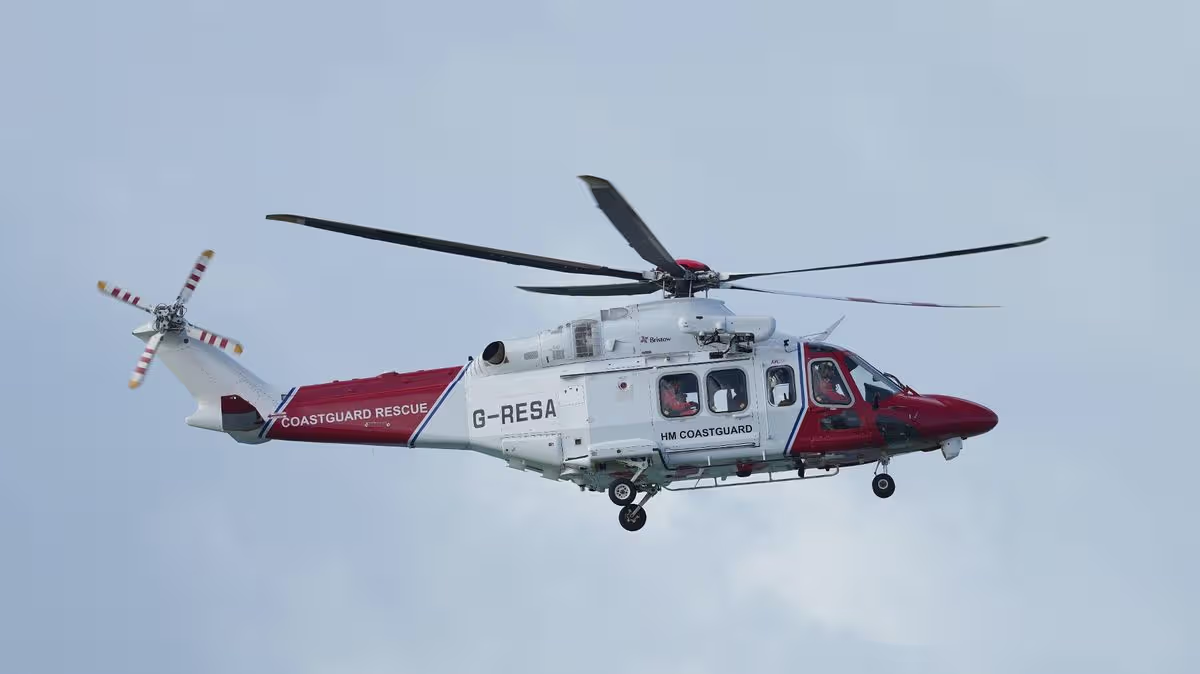
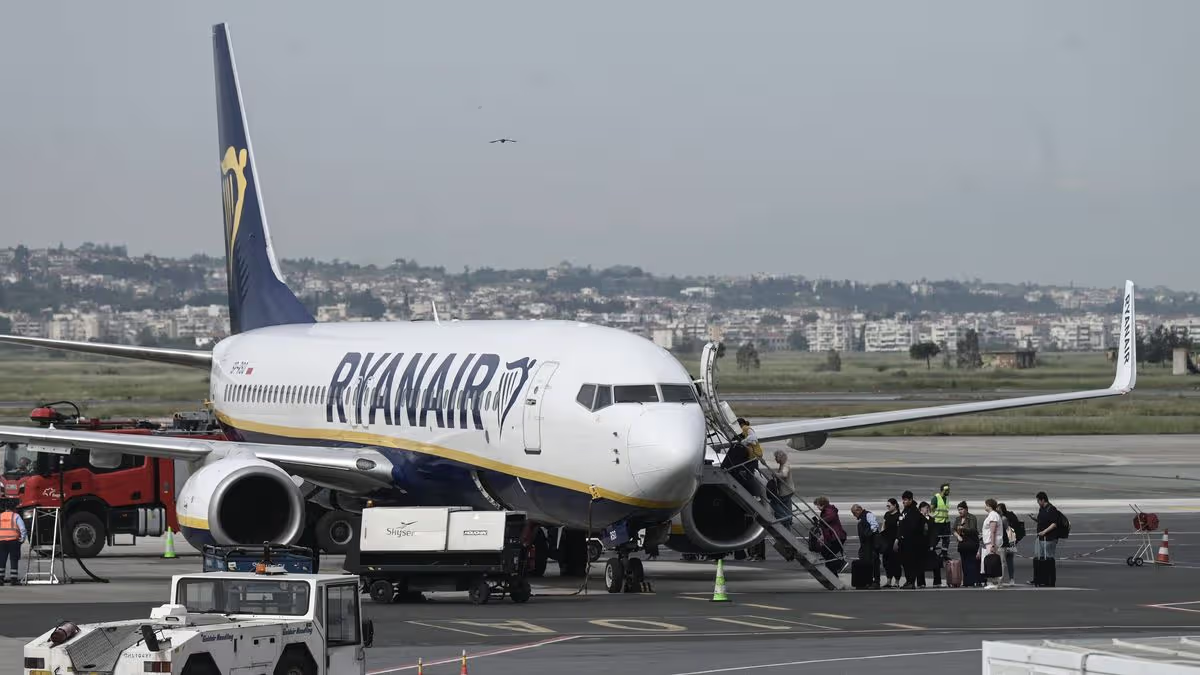
The stakes of irresponsible drone use extend far beyond privacy, venturing into the realm of life-and-death safety. The year 2025 alone saw nine critical air ambulance missions forced to delay or abort their lifesaving journeys because drones were flying perilously close to emergency helicopters. In commercial airspace, near-misses with passenger planes, known as “Airprox” incidents, remain a steady threat, occurring between 50 to 100 times each year. While modern “geo-fencing” technology—which uses GPS to create virtual barriers—has helped prevent accidental incursions into airport zones, these statistics underscore a vulnerable ecosystem where a single reckless operator can jeopardize countless lives. It is against this backdrop of privacy invasion and tangible danger that the new 2026 rules seek to empower individuals, providing clearer pathways to reclaim a sense of safety in one’s own home and garden. The legislation introduces tools designed to demystify the identity of drone pilots, offering a simpler way for concerned citizens to find out who is operating in their private space.
Understanding your rights when a drone appears over your property requires navigating a nuanced intersection of aviation, privacy, and property law. A common myth is that you “own the sky” above your house, but in reality, under the Civil Aviation Act 1982, aircraft—including drones—have a right to fly over your property at a “reasonable height.” A drone passing at 100 feet is generally legal. However, this freedom has clear and important limits. Pilots cannot take off from or land on your private property without permission, as this constitutes civil trespass. Crucially, for drones weighing over 250g, the CAA’s Drone Code mandates they stay at least 50 metres away from people and buildings; flying closer is likely a breach. Even smaller, sub-250g drones, which can legally fly closer, are not exempt from rules against harassment or privacy invasion. The presence of a camera adds another layer of legal responsibility, requiring operators to comply with UK GDPR and the Data Protection Act, respecting your reasonable expectation of privacy inside your home and in secluded garden areas.
When faced with an intrusive drone, it is vital to know not only what you can do, but also what actions are legally forbidden, as the consequences for overstepping can be severe. The impulse to swat a buzzing intruder out of the sky is understandable, but the law is explicit: you cannot damage the drone. Under the Criminal Damage Act 1971, a drone is private property. Shooting it down, throwing an object at it, or capturing it with a net could lead to being sued for damages or even criminal charges. Similarly, using a signal jammer to disrupt its controls is illegal under the Wireless Telegraphy Act, and merely possessing such a device is an offence. Beyond the legal ramifications, these actions carry real safety risks; forcing a crash could result in injury to a person or damage to property. Therefore, the recommended course of action is one of calm, documented response, not physical confrontation.
So, what is the correct way to handle a bothersome or suspicious drone? The process begins with identification. Since pilots must generally keep their drone within visual line of sight, they are often standing within a few hundred metres. The key new tool from 2026 is Remote ID, a system where most drones broadcast a digital signal containing a unique Operator ID. By downloading a free “Drone Scanner” app on a smartphone, a concerned individual can often access this information to identify the registered pilot. This data, along with documented evidence like the time, date, photos, and a description of the drone’s behavior, becomes crucial for reporting. Incidents should be directed to the appropriate authority: the police (via 101) for nuisance, harassment, or suspected criminal activity; the Information Commissioner’s Office (ICO) for breaches of data privacy; and the CAA for clear safety violations, such as flying over crowds or near emergency aircraft. Ultimately, the most reliable guideline is a simple one: treat a drone as you would a person. If someone standing at your fence with a camera would be acting illegally, then the drone operator in the air is likely breaking the law too. This humanizing principle, supported by new technology and clearer regulations, offers a roadmap for peacefully navigating our shared airspace.