

In a significant shift of U.S. technology policy, President Donald Trump has signed a new executive order creating a voluntary framework for federal agencies to evaluate the national security risks of advanced artificial intelligence systems before they are released to the public. This initiative, signed into law overnight on Tuesday, represents a newfound governmental focus on proactively managing the powerful and often unpredictable capabilities of cutting-edge AI. The order establishes that companies developing the most sophisticated AI models can now submit them for a federal review, with agencies tasked to complete their vetting within a 30-day window prior to a model’s public launch. This structured approach aims to balance the immense potential of AI to strengthen national infrastructure with the urgent need to understand and mitigate its potential threats.
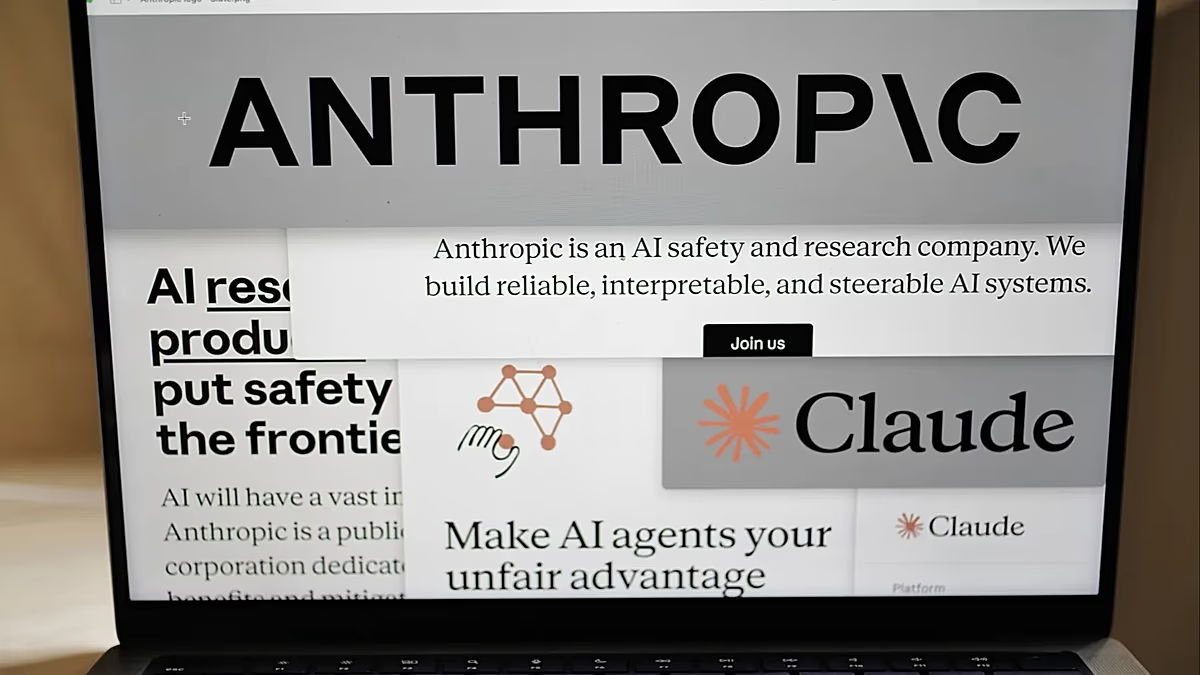
This policy marks a notable departure from the administration’s previous stance, which had prioritized unfettered innovation to maintain a competitive edge over global rivals like China. As recently as May, President Trump had declined to sign a similar AI order, citing concerns that excessive regulation could stifle American technological leadership. The turning point appears to have been catalyzed by specific advancements in the AI sector, particularly the release of Anthropic’s new cybersecurity model, named Mythos. Reports of this model’s alleged ability to autonomously discover critical vulnerabilities in global software systems prompted immediate concern among U.S. national security officials, who subsequently issued warnings to industry CEOs, highlighting the potential dual-use dangers of such technology.
The executive order itself outlines a multi-pronged strategy beyond pre-release vetting. It mandates that various federal agencies bolster the nation’s cyber defenses within 30 days by strategically expanding their own adoption of AI tools. Furthermore, it calls for the creation of a centralized “cybersecurity clearinghouse.” This body would serve as a coordinating hub for vulnerability scanning across government software, working to identify and manage security flaws more efficiently and prevent overlapping efforts. The overarching message is clear: while AI is a potent tool for national security, it is also a potential vector for unprecedented risk, necessitating a coordinated and vigilant response from the highest levels of government.
Industry leaders have responded with cautious optimism, largely welcoming the voluntary and collaborative nature of the new framework. Anthropic, the company at the center of the policy shift, praised the order as “an important step in strengthening America’s leadership in AI” and expressed eagerness to work with the White House on implementation. Their chief rival, OpenAI—the maker of ChatGPT—echoed this sentiment, with its chief global affairs officer, Chris Lehane, stating the policy was an important step. Lehane emphasized that “effective safety frameworks should continue to be developed through democratic institutions, informed by technical expertise and broad stakeholder input, to promote accountability and public trust.” Google also voiced its support, signaling a broad industry consensus on the need for structured governmental engagement.
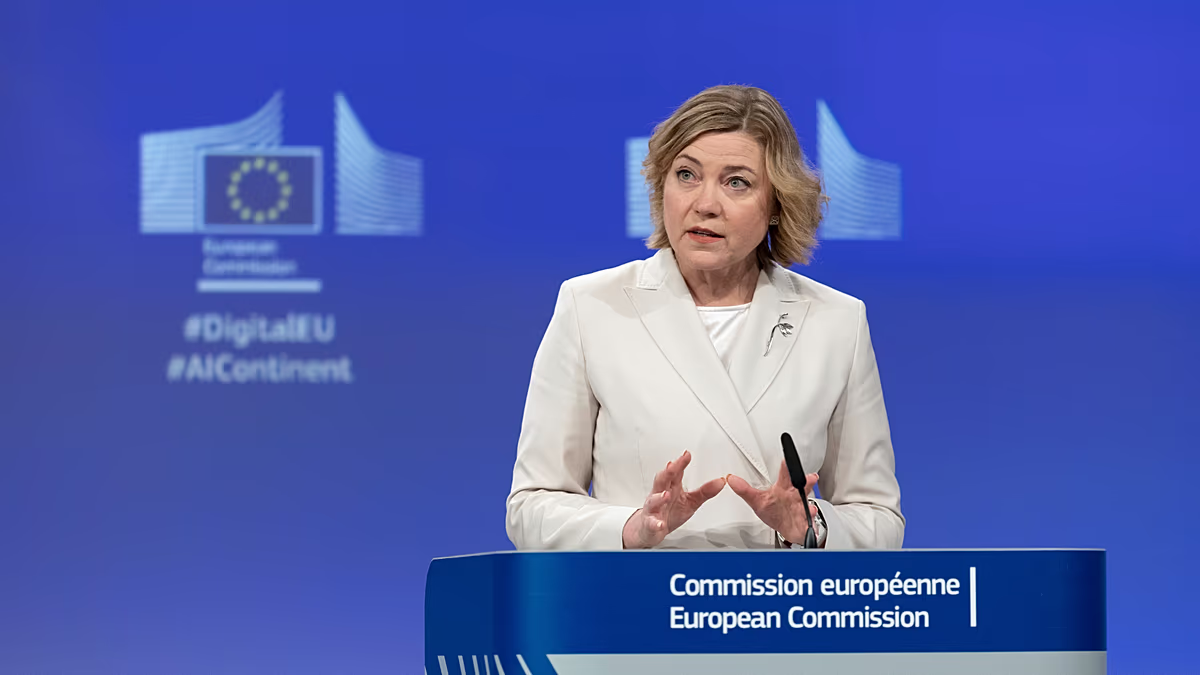
The practical implications are already unfolding, particularly around Anthropic’s Mythos model. Initially released to a limited group of partners, the company announced on Tuesday—coinciding with the executive order—that it was expanding access to an additional 150 organizations. Reports suggest this list may include entities like the European Commission, indicating the model’s reach and the global significance of its capabilities. This controlled but expanding rollout exemplifies the complex landscape the new order seeks to navigate: fostering innovation and collaboration while instituting guardrails. The voluntary vetting process will now serve as a formal channel for developers to engage with security experts, potentially heading off crises before they begin.
Ultimately, this executive order signifies a pivotal moment in the maturation of the AI industry and its relationship with the state. It moves the national conversation beyond abstract debates about the future of AI into the realm of practical, actionable policy. By establishing a process for pre-release evaluation and enhancing internal government defenses, the administration is attempting to future-proof the nation’s security in an age defined by algorithmic power. The success of this voluntary framework will depend on consistent collaboration between innovators in Silicon Valley and policymakers in Washington, setting a precedent for how democratic societies can harness world-changing technology without being endangered by it.