



Of course. Here is a humanized and expanded summary of the provided content, structured into six paragraphs.
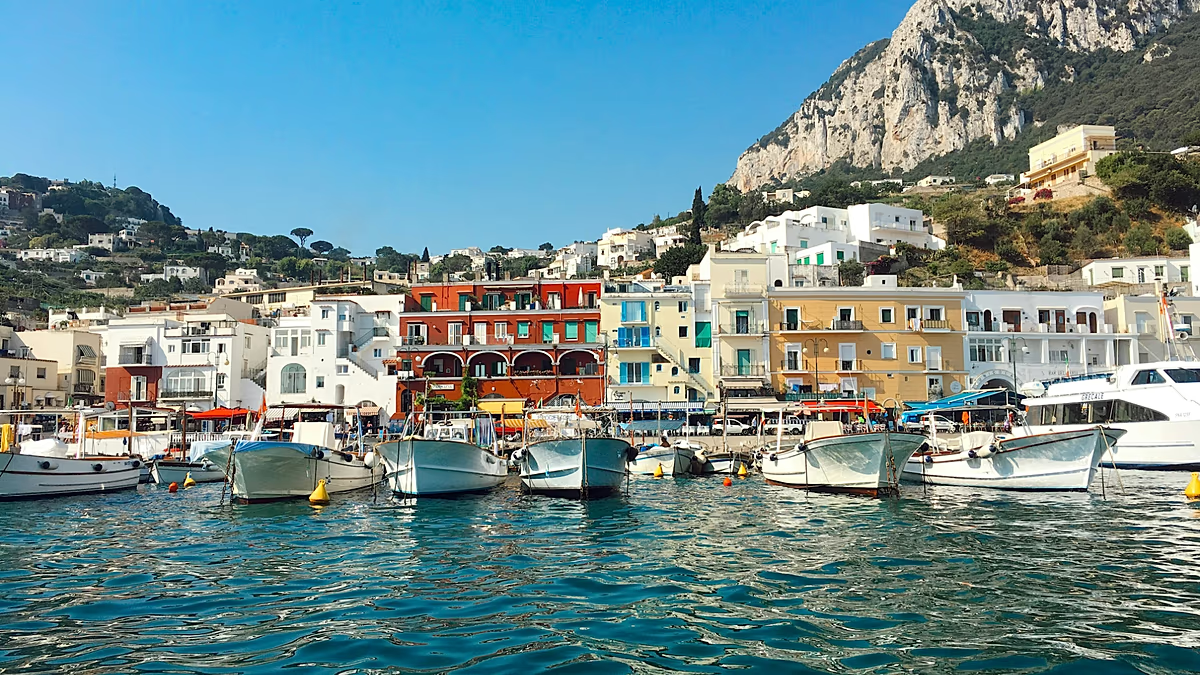
Imagine stepping off a ferry, the Mediterranean sun warming your shoulders, the scent of salt and lemon blossoms in the air. You’ve arrived at Capri, an island synonymous with timeless elegance and breathtaking beauty. Yet, within moments, this idyllic scene is fractured. Instead of a serene welcome, you are met with a relentless gauntlet of approaches—waiters waving menus, tour operators thrusting brochures, voices competing for your attention with offers for boat trips, guided tours, and discounted lunches. This overwhelming solicitation, a common reality in many of the world’s tourist hotspots, transforms anticipation into anxiety. What should be a moment of awe becomes an exercise in deflection, leaving visitors feeling less like welcomed guests and more like walking wallets, an experience that can border on harassment and decidedly sours the first impression of any destination.
Recognizing this critical flaw in the visitor experience, the authorities on the Italian island of Capri have taken a decisive and admirable stand. Under the leadership of Mayor Paolo Falco, a long-time advocate for sustainable tourism, the island has implemented a new ordinance directly targeting this aggressive street solicitation. The mayor poignantly noted that some tourists are stopped more than five times in the short walk from the ferry dock to the funicular railway—a level of insistence he rightly describes as having “an unpleasant effect.” This move is not an isolated measure, but part of a broader, thoughtful campaign to preserve Capri’s charm. Previous steps have included capping tour group sizes and banning guides from using loudspeakers and identifying umbrellas, all aimed at reducing auditory and visual clutter for both residents and visitors seeking a genuine escape.
The scale of the challenge is clear. During peak season, Capri’s daily visitor count can swell to over 50,000, dramatically overwhelming its permanent population of roughly 15,000. This imbalance creates immense pressure for local businesses to capture a share of the bustling market, often leading to the very aggressive tactics now being outlawed. The new regulation is elegantly simple in its core directive: it absolutely prohibits commercial operators and their employees from engaging in customer procurement through “intrusive and insistent methods” on public land. This legal phrasing translates to a powerful promise to the tourist: you now have the right to wander, explore, and simply breathe on Capri’s picturesque pathways without being treated as a target. The ordinance specifically outlaws the unsolicited distribution of brochures, flyers, and maps for promotional purposes on the street.
Mayor Falco’s rationale extends beyond mere orderliness; it is deeply rooted in a philosophy of grace and respect. He has emphasized that while the need for businesses to promote themselves is understood, it must be done “with the grace and elegance befitting Capri.” This statement captures the heart of the initiative. It is about aligning the commercial reality of a tourism-dependent economy with the island’s inherent identity—one of sophistication, natural beauty, and refined hospitality. The law seeks to shift the dynamic from one of desperate grabbing to one of confident allure. It trusts that the island’s beauty, coupled with reputable businesses advertising in appropriate venues like their own premises or official channels, is promotion enough.
To give this policy teeth, violations come with tangible consequences. Businesses or individuals caught soliciting tourists on the street now face administrative fines ranging from €25 to €500. This sliding scale allows for discretion, perhaps penalizing a first-time offender more lightly than a repeat violator, but it sends an unambiguous message that the old way of operating is no longer tolerated. The effectiveness, of course, will hinge on consistent enforcement, especially during the chaotic summer months. However, the very existence of the rule empowers tourists and residents alike, providing a formal basis to report nuisance behavior and fostering a shared community expectation for a more dignified public space.
Ultimately, Capri’s ban is a significant case study in the global conversation about sustainable tourism.
This move by Capri represents a significant and growing trend in global tourism management, where quality of experience is prioritized over unchecked quantity. It is a bold step toward rebalancing the relationship between a destination and its visitors. By protecting the simple pleasure of an uninterrupted stroll, Capri is investing in its reputation as a truly luxurious escape. The ultimate goal is to ensure that the memories visitors take home are filled with the scent of bougainvillea and the vista of azure waters, not the persistent echo of a sales pitch. In doing so, Capri is not just regulating commerce; it is curating an experience and safeguarding its soul for generations to come.