


A new campaign, spearheaded by the Royal Osteoporosis Society and launching in the Daily Mirror, is calling on Health Secretary Wes Streeting to urgently fulfill a key promise made to the nation’s most vulnerable. The pledge in question: to roll out essential Fracture Liaison Services (FLS) to every NHS hospital trust in England, a move experts say would prevent thousands of premature deaths and alleviate immense suffering. This campaign emerges from a growing sense of crisis and betrayal, as despite over 60 public reassurances from the government, the rollout has stalled completely. For the millions living with osteoporosis, this delay isn’t merely bureaucratic inertia; it is a life-or-latter issue, with an estimated 4,000 preventable deaths occurring since Labour took office in 2024.
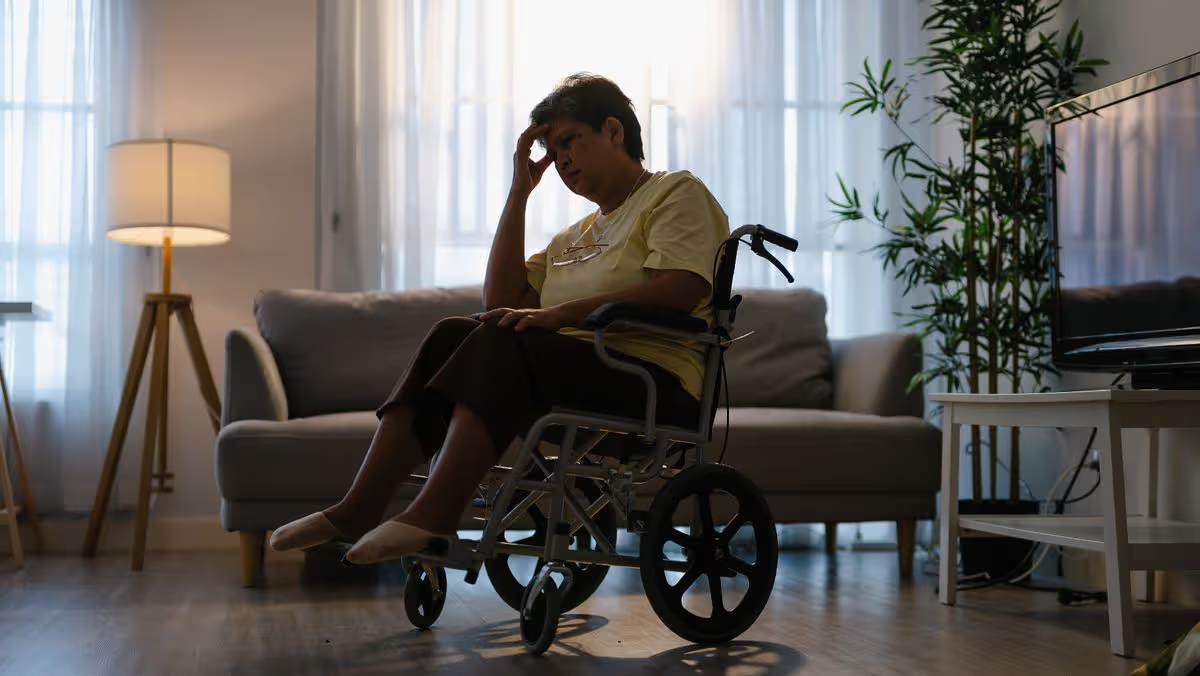
The human cost of this inaction is staggering. Osteoporosis, a condition that weakens bones, affects 3.5 million people in the UK. It leads to over half a million “fragility fractures” annually—breaks that can occur from the most mundane actions: a cough, a sneeze, or even a hug. These are not minor injuries. Half of all women over 50 and one in five men will suffer such a fracture. Among the most devastating is a broken hip, which proves fatal for more than a quarter of patients within a single year, claiming around 2,000 lives annually. These fractures shatter independence, consigning individuals to prolonged hospital stays, extensive rehabilitation, or permanent loss of mobility, while placing a heart-rending burden on families and communities.
The tragedy is compounded by its preventability. Effective medications exist to strengthen bones and drastically reduce fracture risk. The systemic failure lies in diagnosis. Currently, a damaging “postcode lottery” dictates care, with specialist Fracture Liaison Services absent in half of all NHS Trusts. These clinics are the crucial gatekeepers. They systematically identify patients who have already suffered a minor fracture—a clear warning sign of osteoporosis—and ensure they receive a scan, diagnosis, and protective treatment plan before a catastrophic, potentially fatal break occurs. Astonishingly, half of those who suffer a deadly hip fracture had a prior fracture that, if properly addressed, could have served as a lifesaving alert.
This is why Wes Streeting’s original promise resonated so powerfully. In opposition, he branded the Conservative delays to these services a “betrayal of patients” and vowed that a rollout would be among his first acts as Health Secretary. The Royal Osteoporosis Society’s campaign, featuring advertisements in the Mirror and across transport networks, holds him to that very moral charge. As TV doctor Dr. Sarah Jarvis emphasizes, this has been the government’s most frequently stated commitment on women’s health. Yet, two years on, the promise remains unfulfilled. Not a single additional trust has received a new clinic since the pledge was made, despite a target suggesting 24 should already be operational to meet a 2030 goal.
The financial argument for action is equally compelling, making the delay not just a moral but a fiscal failure. The Royal Osteoporosis Society calculates that preventable fractures have already cost the NHS and social care system an estimated £150 million since the last election—a sum that is more than double the cost of a nationwide clinic rollout. A full implementation would prevent an estimated 74,000 fractures over five years, freeing up a monumental 750,000 NHS bed days. This would relieve pressure on overwhelmed orthopedic and emergency departments, creating capacity for other critical surgeries and treatments. In an NHS stretched to its limit, investing in fracture prevention is a profound example of “a stitch in time saves nine,” improving both patient outcomes and systemic efficiency.
In essence, the campaign is a plea for accountability and urgent humanity. Every year of ministerial inaction signifies another 2,000 families facing preventable grief. The clinics represent a straightforward, proven intervention that bridges the gap between known science and delivered care. As Royal Osteoporosis Society chief executive Craig Jones states plainly, “Delays to the implementation of this policy are costing lives.” The government now faces a clear test: to transform its dozens of reassurances into tangible, lifesaving action, and to end what campaigners see as a continued betrayal of the elderly and vulnerable who placed their trust in a promise made.