

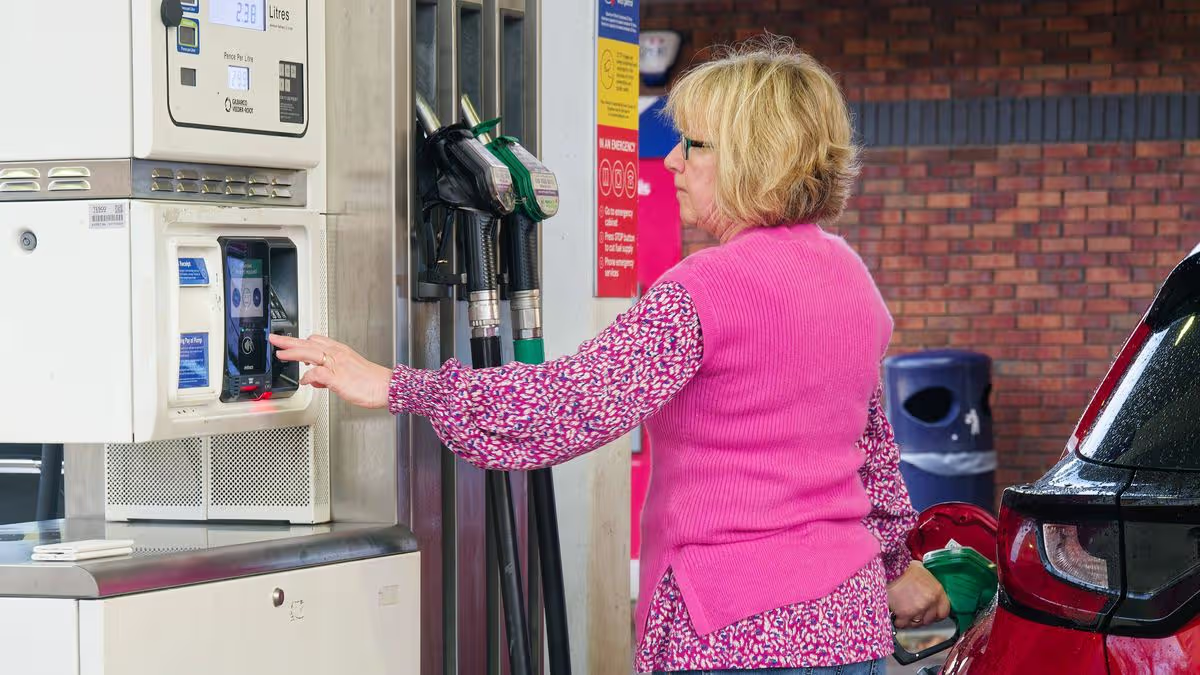
After months of relentless pressure on British motorists, a faint but welcome respite is finally appearing at the fuel pumps. Since the outbreak of the Iran war in late February, drivers across the UK have endured a punishing surge in costs. The initial attack by the US and Israel sent shockwaves through global oil markets, translating almost instantly into soaring prices on forecourt signs. From a relatively stable range of 130p to 140p per litre at the start of the year, the increase was both hard and fast. Petrol swiftly climbed towards 160p, while diesel raced north of 190p, adding a substantial and painful burden to the simple act of filling a family car’s tank.
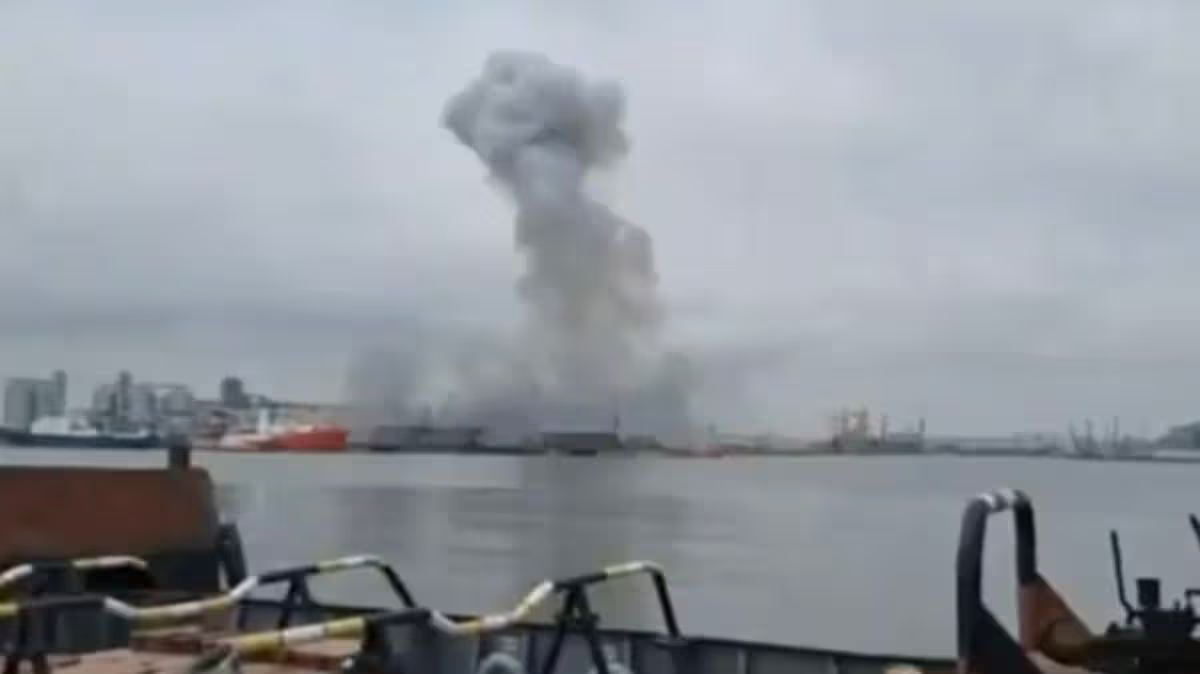
The primary driver of this alarming spike was a dramatic constriction in global oil flow. The strategic Strait of Hormuz, a vital maritime artery for a significant portion of the world’s oil supply, became a focal point of the conflict. Its effective closure, through a US blockade and Iranian attempts to control shipping, severely restricted the passage of tankers. This bottleneck in one of the world’s most critical trade routes sent oil prices rocketing, with the pain felt directly by consumers everywhere. The situation underscored how geopolitical tensions in distant regions can reverberate through the daily lives of ordinary people, turning an international crisis into a personal financial strain.
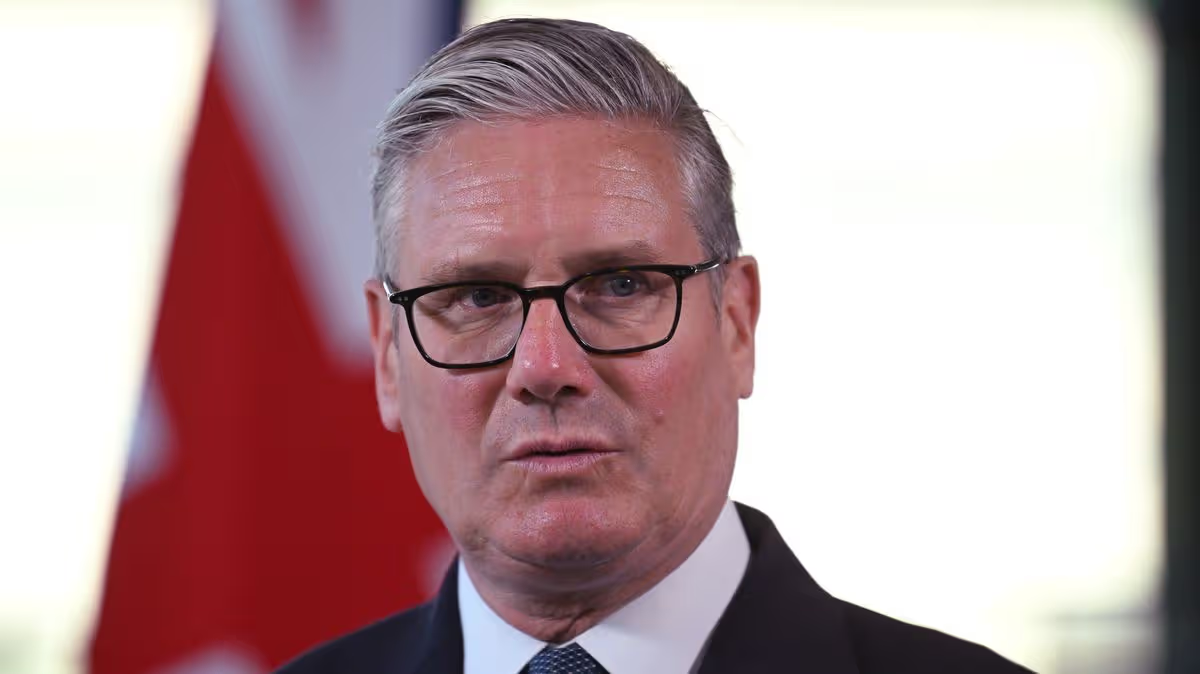
In response to this economic fallout, political leaders have mobilised. Prime Minister Sir Keir Starmer, addressing the issue directly, emphasised the collective international interest in resolving the crisis. Following a meeting with fellow leaders in Paris, he stated his commitment to “do everything I can” to alleviate the impact on the public and to reopen the Strait of Hormuz. He framed the diplomatic effort as a threefold mission: building a coalition for a permanent ceasefire and a deal, ensuring the strait’s openness for the benefit of all economies, and addressing the logistical and security planning required. His comments acknowledged the direct link between the prolonged conflict and the rising cost of living for UK households, positioning the government’s action as a necessary step to shield citizens from distant turmoil.
The first tangible signs of relief are now emerging, thanks in part to a tentative ceasefire and subsequent diplomatic manoeuvres. This has allowed global oil prices to retreat below the psychologically significant threshold of $100 per barrel, although they remain elevated compared to pre-war levels. This shift in the wholesale market has finally halted the relentless upward march of pump prices. The RAC, a trusted voice for UK drivers, confirmed a pivotal change: average forecourt prices began to fall, marking the first decline since the conflict began46 days ago. The drops are cautious but concrete, with petrol dipping below 158p and diesel below 191p for the first time since early April.
Simon Williams, the RAC’s head of policy, provided a measured but optimistic analysis of the trend. He noted that wholesale prices remain lower than current retail rates, suggesting the potential for “further reductions amounting to several pence a litre in the coming days.” For drivers who have endured record rises, this reversal, however slight, offers a profound psychological and financial relief. Williams aptly described it as “a glimmer of light at the end of the tunnel.” It is a reminder that the complex machinery of global trade and diplomacy, while often the source of disruption, can also be the pathway to reprieve.
Nevertheless, the situation remains fragile and volatile. The Strait of Hormuz is not fully open, and the geopolitical underpinnings of the conflict are far from resolved. The recent price decreases are a hopeful correction, not a return to normality. Drivers are, as Williams noted, “a long way from a return to the prices we had at the start of the conflict.” The road ahead depends on sustained diplomatic progress and stable oil flows. For now, however, after weeks of watching costs climb with every news bulletin, the British public can at least observe a dial moving in the right direction, offering a small but significant respite in the ongoing challenge of managing household budgets amidst world events.