


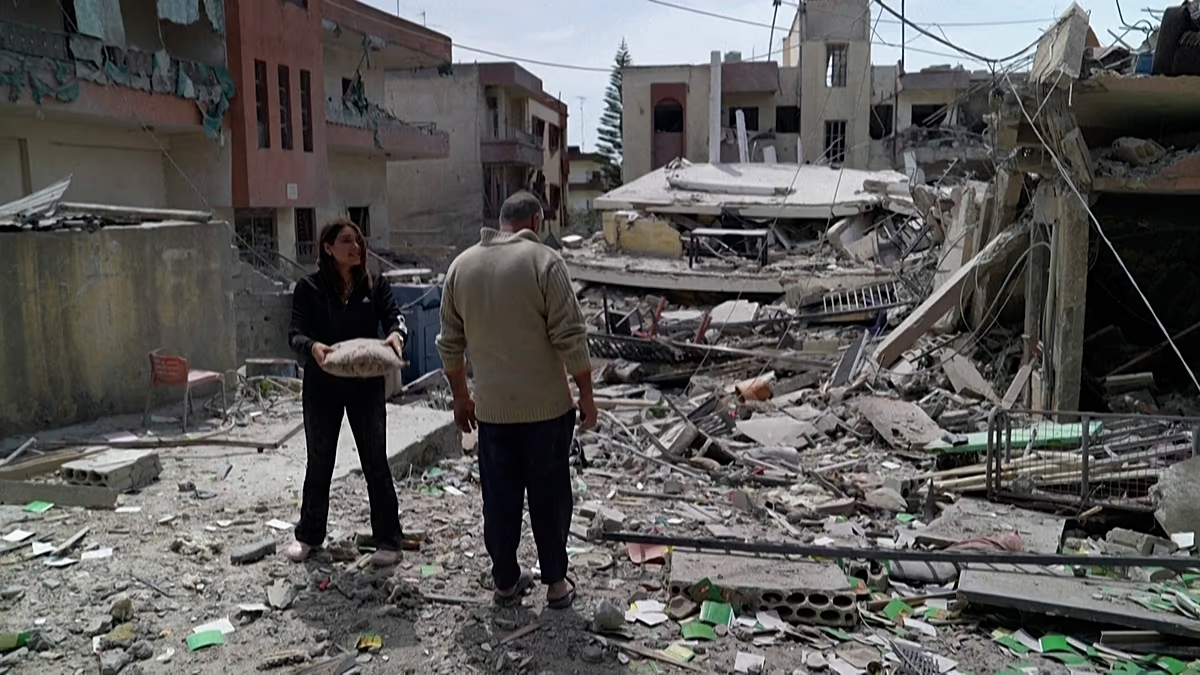
The tenuous calm that settled over southern Lebanon on the morning of Friday, April 17th, 2026, was not a peaceful silence, but one heavy with dust and disbelief. As a ten-day ceasefire finally halted weeks of intense warfare between Israel and Hezbollah, a tentative pilgrimage began. Residents of cities like Nabatiyeh, displaced by the violence, returned on foot and by packed minibus, only to confront a landscape rendered almost unrecognizable. Streets once bustling with life were now choked with rubble, shattered glass, and the skeletal remains of buildings. The strikes had continued relentlessly, right up to the final moments before the truce, leaving a scarred tableau of destruction as the world’s diplomatic engines, involving powers like Iran and the United States, began to grind for talks. This fragile pause, born from exhaustion and international pressure, offered not celebration, but a first, grim opportunity to survey the ruins of home.
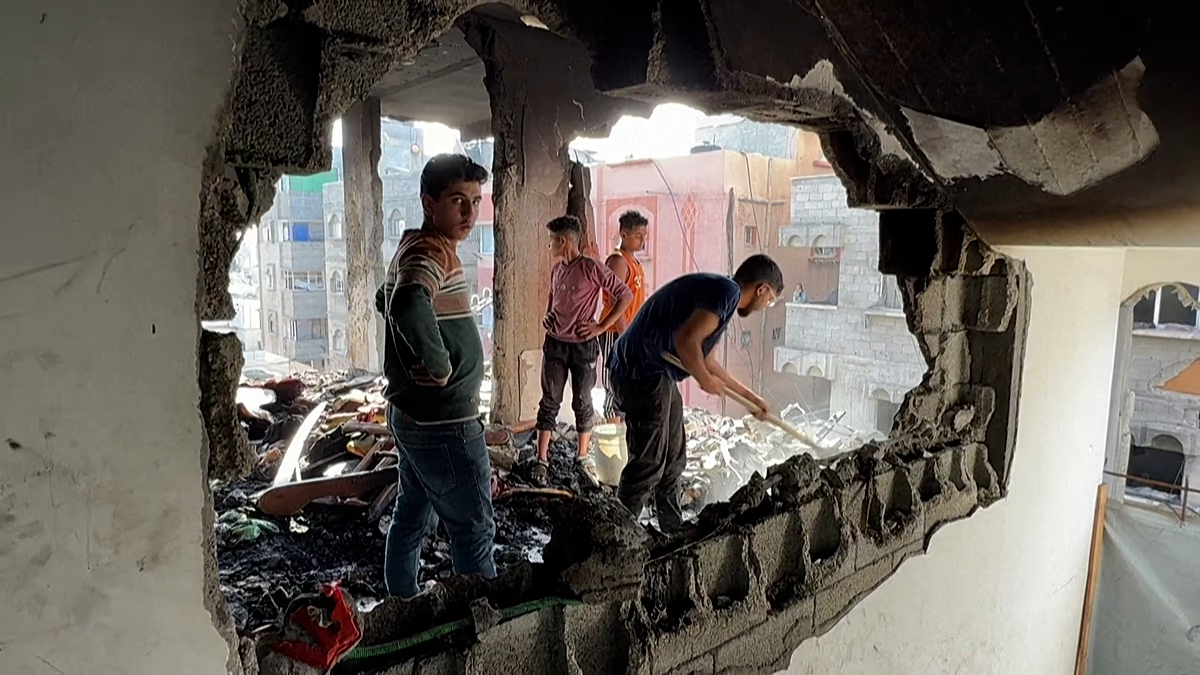
The journey back was a descent into a disorienting reality. Families navigated what were once familiar neighbourhoods by memory alone, landmarks obliterated. For many, the search ended at a pile of concrete and twisted metal where their home once stood, or before an apartment blackened by fire. Reactions were as varied as the debris—a stunned silence before a gutted doorway, a numb stare at a child’s toy half-buried in plaster. Then, almost instinctively, the work began. With bare hands and rudimentary tools, people started to clear the dust and glass, a physical defiance against the chaos. Neighbors helped one another sift through the wreckage, not for valuables, but for fragments of a past life: a water-damaged photo album, official identity documents, any tangible proof of a world that existed just weeks before. Amidst the danger of cracked walls and exposed electrical wires, some chose immediately to sleep in their damaged flats, a powerful statement that the uncertainty of home was preferable to the limbo of displacement.
Amidst the devastation, the first, fragile gestures of normalcy emerged. A shopkeeper methodically swept the threshold of his battered storefront, clearing a path for customers who may not come. The shared clatter of brooms and the dragging of debris became a new, communal sound. In quiet corners, the foundations of daily life were painstakingly relaid: a generator hummed to life, powered by shared fuel; bottles of water were passed hand-to-hand; simple meals were prepared on makeshift stoves and distributed. One man, returning from the relative safety of Tyre, captured the prevailing sentiment, noting that his profound relief at being home outweighed the shock of the destruction. “Being here is better than staying as a guest,” he said, watching his community gather. This wasn’t jubilation, but a deep, collective yearning for agency, for the simple dignity of reclaiming one’s own space, brick by broken brick.
However, the ceasefire that made this return possible was itself shrouded in bitterness and suspicion. In Nabatiyeh and surrounding areas, strikes had hammered zones near official and security sites, including parts of the Sérail district, in the very minutes leading up to the agreed-upon silence. For many residents, this final, furious barrage—a last word written in explosives—tainted the truce, framing it not as a mutual de-escalation but as a tactical pause following a punishing crescendo of violence. The timing fueled criticism and deepened distrust, serving as a stark reminder that the calm was procedural and potentially fleeting. The ceasefire may have opened a critical window for complex diplomatic negotiations, but on the ground, it felt less like a promise of peace and more like the eye of a storm, a temporary lull that could be shattered as abruptly as it began.
Now, the people of southern Lebanon inhabit a painful interim. The immediate frenzy of return has settled into the grueling, open-ended labor of recovery. The shared resolve is palpable, but it is pressed against the exhausting weight of uncertainty. Every cleared pile of rubble, every reconnected wire, is an act of faith—a bet on the durability of a ceasefire that feels precarious. Conversations are laced with a haunting question: is this the beginning of rebuilding, or merely a brief pause to collect the dead and salvage what remains before the next onslaught? The community’s remarkable solidarity, their quiet sharing of resources and labor, stands as a powerful human response to the devastation. Yet, this resilience exists in the long shadow cast by distant negotiating tables, where decisions made without hearing the sweep of a broom on a broken doorstep will determine whether these efforts seed a future or are merely an interlude between ruins.
Ultimately, the scenes in Nabatiyeh represent more than the aftermath of another conflict. They are a profound testament to the human instinct to rebuild, to find order in chaos, and to seek home above all else. But they also form a searing indictment of the cycles of violence that reduce lives to debris. The residents, with their blistered hands and determined spirits, are engaged in the most basic form of diplomacy—the rebuilding of shared reality. Their daily toil is a plea for a peace that lasts longer than ten days, for a stability that allows not just for clearing glass today, but for planting gardens tomorrow. As the world watches the high-stakes political talks, the true measure of any agreement will be written here, in these shattered neighbourhoods, in the ability of a father to sleep through the night without the sound of explosions, and in the hope that a salvaged photograph will one day be placed on the mantel of a home that is safe, and whole, and permanent.