


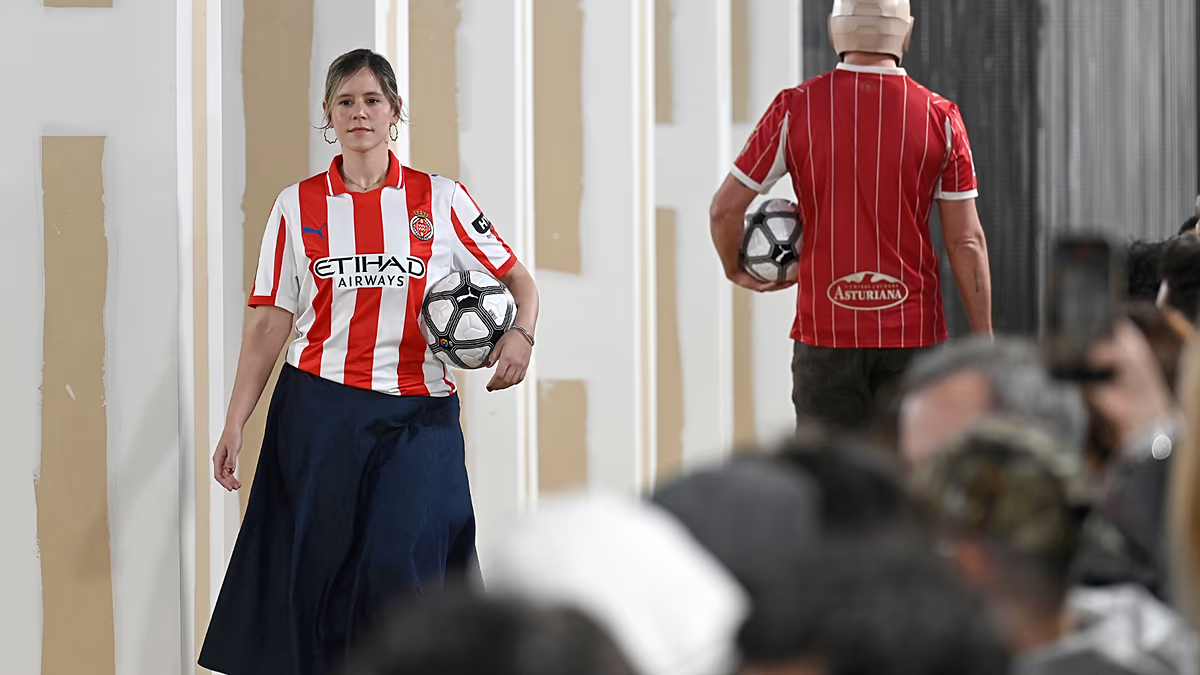
This weekend, Spanish football is taking a deliberate and stylish step back in time. For the first time in its history, La Liga is staging a coordinated Retro Matchday, a league-wide initiative that will see the vast majority of teams across Spain’s top two divisions don specially designed throwback kits. These shirts are not mere replicas but carefully curated designs inspired by iconic eras from each club’s past, transforming the visual landscape of the league for a round of fixtures. The concept is a powerful blend of celebration and connection, aiming to honour the rich heritage of Spanish football while tapping into the profound, universal pull of nostalgia. It’s a move that recognizes how a club’s identity is often woven into the very fabric of its historical uniforms, and for one weekend, that history will be alive on the pitch.
The scope of the project is impressively comprehensive, extending far beyond the players themselves. To fully immerse fans in the experience, the retro theme will be all-encompassing. Match officials will also wear vintage-style uniforms, the ball used will be a throwback design, and even television broadcasts will employ old-school graphics and aesthetics to recreate the feel of watching a match from a bygone decade. This attention to detail underscores the league’s commitment to the concept, aiming to shift the entire sensory experience of the game. However, the rollout is not without its notable exceptions. While 38 of the 42 clubs are participating, the most conspicuous absentee is Real Madrid, Spain’s most successful club. Furthermore, FC Barcelona, Getafe CF, and Rayo Vallecano, though involved in the broader campaign, will not be wearing their retro kits this specific weekend due to reported logistical challenges, a reminder of the complex realities behind such a large-scale sporting and commercial undertaking.
The Retro Matchday is far more than a whimsical gimmick; it is the culmination of a significant cultural and commercial trend that has been building for years. The campaign was formally unveiled in a telling venue: Madrid Fashion Week. This strategic placement immediately framed the kits not just as sporting equipment, but as fashion items, highlighting the deepening crossover between football culture and style. In recent years, clubs and leagues worldwide have leaned heavily into nostalgia-driven releases, from anniversary editions to limited-edition drops. What began as a fan-driven passion for hunting down original vintage jerseys in second-hand markets has evolved into a major commercial strategy. Today’s retro kits are a sophisticated enterprise, allowing clubs to repackage past glories for the present, reinforcing their unique identity in an increasingly crowded global football marketplace and speaking directly to a style-conscious generation of supporters.
Indeed, the modern retro kit has transcended the boundaries of the stadium. It now sits at the heart of a wider lifestyle trend where sportswear is everyday wear. Archival designs, classic crests, and heritage colour palettes are valued as much for their aesthetic and symbolic weight as for their athletic function. Fans wear these shirts as badges of honour, connecting to specific legendary players, triumphant seasons, or simply a cherished era of design. La Liga has astutely positioned this weekend as a way of “bringing the past into the present,” claiming it as the first coordinated league-wide retro campaign of its kind in Europe’s top flights. For supporters, it’s a potent visual trigger for personal and collective memory. For the clubs, it is a tangible way to monetize history, deepen emotional loyalty, and potentially unlock new revenue streams through merchandise sales that appeal to both traditional fans and fashion enthusiasts.
Ultimately, this initiative is a testament to the immense power of nostalgia in the modern game. In an era of constant global expansion, astronomical transfers, and ever-evolving tactics, there is a profound comfort and appeal in looking backward. These kits serve as anchors to a club’s soul, reminding everyone of its roots, its struggles, and its triumphs. They tell stories without words: of a particular championship, a beloved local hero, or a forgotten design quirk. For one weekend, the relentless forward march of football pauses to pay homage to its journey. The pitches of Spain will become living museums, showcasing the evolving art of the football shirt and the enduring narratives stitched into each one.
In conclusion, La Liga’s Retro Matchday is a clever and evocative celebration that operates on multiple levels. It is a marketing masterstroke, a gift to long-time fans, and an entry point for newer supporters to engage with a club’s legacy. While the absence of giants like Real Madrid and the logistical hiccups show the challenges of full unification, the overall effect promises to be striking. It demonstrates how football’s past is not a distant country, but a vibrant, usable resource—a source of identity, community, and, yes, commerce. As the players take the field in their historic colours, they will be doing more than playing a match; they will be wearing history, and for ninety minutes, making it breathe again.