


Here is a summary and humanization of the provided content, expanded to meet your requested length and structure.
Paragraph 1
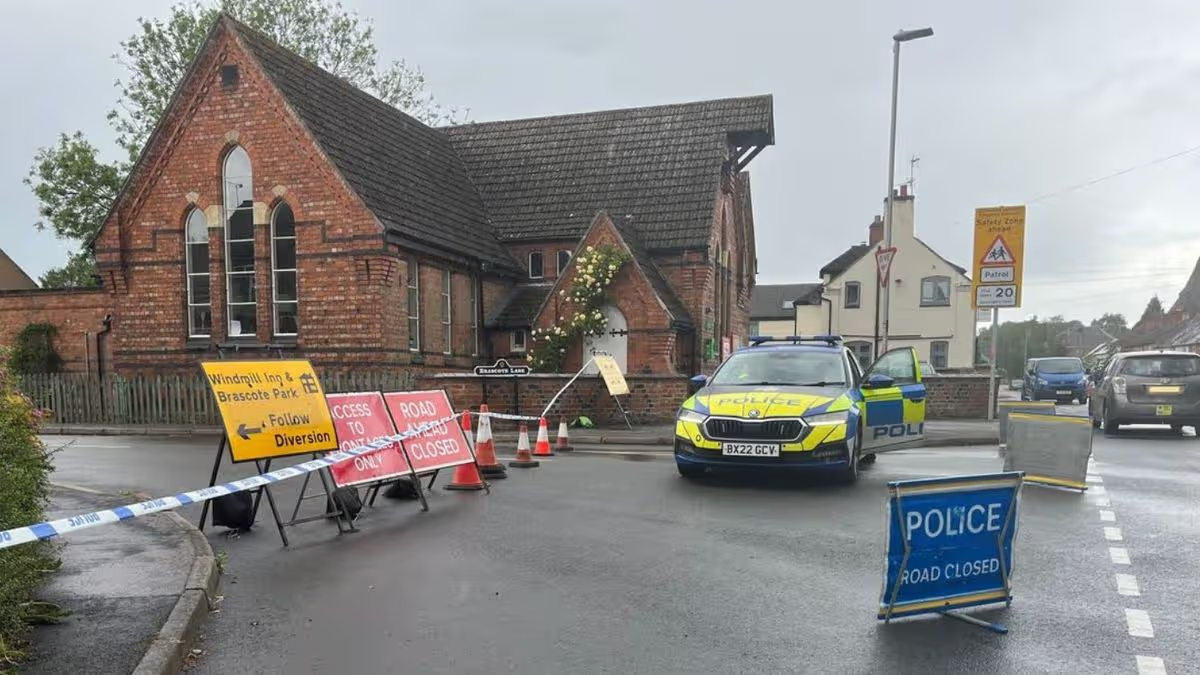
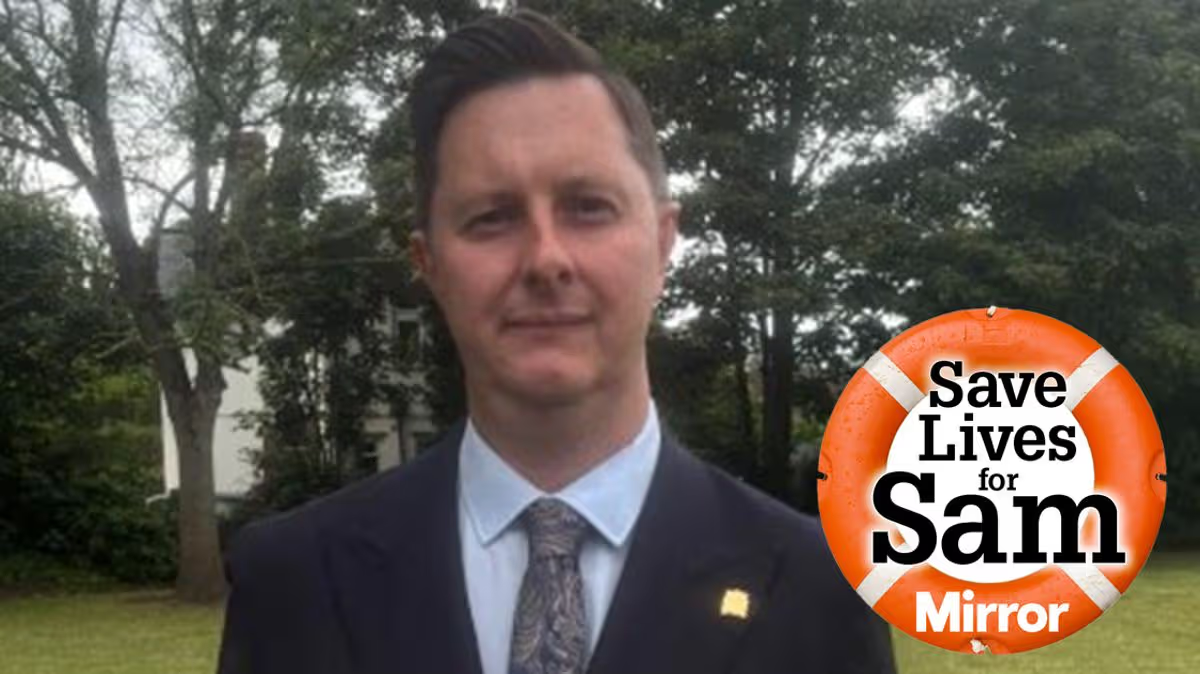
The city of Belfast has been gripped by a wave of unrest and horror following a knife attack on Monday evening, an incident that has spiraled far beyond a single act of violence. At the center of this turmoil is Stephen Ogilvie, a 44-year-old man whose life was brutally altered on a city street. As tensions flared across communities, his family found themselves enduring a dual nightmare: the desperate vigil at a hospital bedside and the distressing spectacle of their private trauma becoming a public spectacle. In a move born of profound exhaustion and necessity, they have now stepped forward, using the Police Service of Northern Ireland (PSNI) as their conduit, to issue a heartfelt plea for truth, peace, and privacy. Their statement is not just an update on a medical condition; it is a cry for humanity amidst chaos, an appeal to the conscience of a city on edge.
Paragraph 2
Above all, the family’s message seeks to cut through a fog of misinformation that has compounded their suffering. They have been forced to witness, helplessly, as harmful falsehoods about Stephen’s condition spread rampantly across social media platforms. This digital echo chamber, where speculation is often mistaken for fact, has added a layer of profound psychological distress to an already unbearable situation. In their clarifying words, there is a palpable sense of frustration: they should not have to defend the truth of their loved one’s state while he fights for recovery. By definitively stating that Stephen is now in stable condition, they aim to reclaim the narrative from rumor mills and anchor it in reality, allowing them to redirect every ounce of their energy to where it belongs—supporting his long and difficult journey toward healing.
Paragraph 3
Coupled with their plea for accurate information is a desperate request for space and dignity. The family has explicitly asked both the media and the public to respect their profound need for privacy during this unimaginably painful time. They describe the intrusion of cameras and the relentless, often ill-informed, speculation online as obstacles to their grieving and healing process. This is a fundamental appeal to basic decency: to allow a family to console one another, to sit in silent vigil, and to process their shock and fear without the glare of public scrutiny. Their call is a reminder that behind every headline of violence and disorder are human beings whose lives have been shattered, who deserve a sanctuary of quiet in which to begin piecing those lives back together.
Paragraph 4
The family’s statement takes a powerful and courageous turn by directly addressing the wider civil disorder that has erupted in parts of Belfast. They do not simply report feeling sad or concerned; they state they are “feeling disgusted” by the recent violence. This choice of words carries immense moral weight, conveying a deep revulsion toward the retaliatory actions, street protests, and arson that have followed the attack. By linking their personal tragedy to the public unrest, they make a profound connection: the violence consuming the streets is an extension of the violence that consumed their family member. Their disgust is a powerful rebuke, framing the communal disorder not as a justified response, but as a separate offense that further victimizes an already wounded community and dishonors their own suffering.
Paragraph 5
Legal proceedings are now underway, with 30-year-old Sudanese man Hadi Alodid having appeared in court charged in connection with the attack. This development begins the formal process of justice, but it stands in stark contrast to the informal and chaotic “justice” playing out on the streets. The family’s plea for an end to violence serves as a crucial demarcation between these two paths. They implicitly endorse the rule of law and the courts, while rejecting vigilantism and sectarian retaliation. Their stance underscores a painful truth often lost in the heat of moment: that further violence does not heal the original wound, but only creates new victims, new grieving families, and deepens the cycles of bitterness and recrimination that have haunted Northern Ireland’s history.
Paragraph 6
In totality, the Ogilvie family’s message is a masterclass in grace under unspeakable pressure. While navigating their own ground-zero of grief, they have managed to issue a clarion call for civility on three fronts: against digital falsehoods, against media intrusion, and against communal violence. They have transformed their personal agony into a public appeal for collective responsibility. Their statement is a poignant reminder that in the aftermath of tragedy, the most authentic voices are often those who plead not for vengeance, but for peace, not for attention, but for privacy, and not for more division, but for the simple, shared humanity that allows a family—and a city—to heal. Their focus remains steadfastly on Stephen’s recovery, a private journey they now ask the public to honor by fostering a climate of calm and truth.