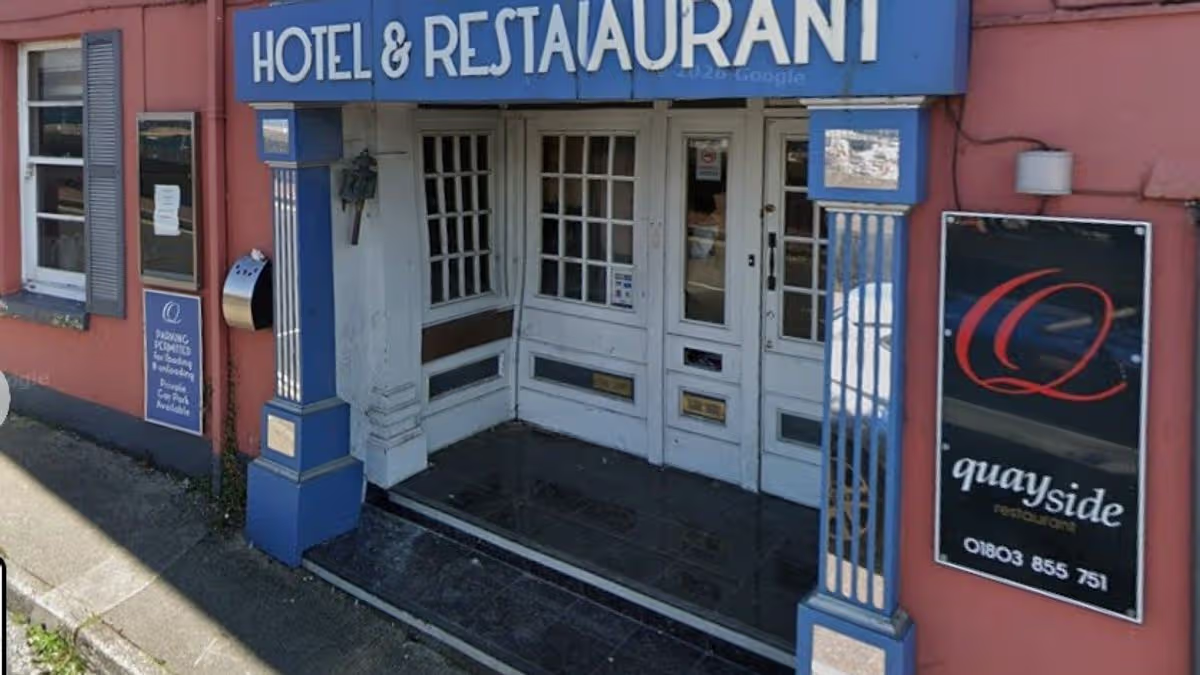


Nestled along the picturesque harbor of Brixham in South Devon, The Quayside Hotel was more than just a place to stay; it was a cherished piece of the local tapestry. For years, it stood as a charismatic 18th-century sentinel on King Street, offering guests unbroken views of fishing trawlers bobbing in the water and the lively comings and goings of the historic fishing town. With its promise of four-poster beds, sea-view rooms, award-winning food in its restaurant, and a friendly bar named Ernie Lister, it positioned itself as the ideal base for exploring the stunning English Riviera. Its central, perched location made it a favorite among visitors, a fact reflected in its impressive 4.3-star Google rating, where guests consistently praised the comfortable accommodations, excellent cuisine, and, above all, the warm and attentive staff who made stays memorable. The hotel wasn’t merely a business; it was a facilitator of seaside holidays and peaceful retreats, deeply woven into the community’s identity and the region’s tourist economy.
This beloved institution closed its doors in late 2022, not with a sense of finality, but with a promise of renewal. The shutdown was publicly framed as a necessary pause for an extensive refurbishment of its rooms, dining spaces, and wider facilities. Patrons and the local community anticipated a “new chapter,” expecting the hotel to reopen in 2023 refreshed and ready to welcome guests once more. The closure seemed temporary, a strategic intermission to revitalize the historic property for future generations. The website continued to paint an idyllic picture of its harborside charm, and there was every reason to believe that the hotel would soon resume its role at the heart of Brixham’s waterfront, continuing its legacy of hospitality that stretched back centuries.
Therefore, the recent news came as a profound disappointment and a shock to many. According to an official notice published in The Gazette, the UK’s public record, administrators were appointed for The Quayside Hotel on June 5, 2026. The firm Richard J Smith & Co, with joint administrators Jonathan David Trembath and Samuel Adam Bailey leading the process from their Ivybridge office, has been brought in to handle the affairs of the now-insolvent business. This legal step into administration confirms that the hotel’s journey has taken a dire and unforeseen turn. Despite the initial plans for a triumphant reopening, the hotel never resumed trading, leaving the ambitious refurbishment unfinished and its future suddenly clouded in uncertainty.
The exact chain of events that led from planned renovation to financial collapse remains unclear, but the outcome is starkly visible. BusinessLive reported the administration, noting that the property, which also boasted a bar and restaurant, has fallen into this state. The path of a major refurbishment is often fraught with hidden challenges—escalating construction costs, unforeseen structural issues, supply chain delays, or perhaps shifting financial landscapes post-pandemic can all conspire against even the best-laid plans. For The Quayside, the dream of a renewed future appears to have been overwhelmed by these practical and financial realities, leaving the building silent and its fate in the hands of administrators.
The human impact of this closure extends far beyond the balance sheets. For the staff remembered so fondly in reviews—individuals like Jacqui and Earl, whom guests cited for going above and beyond—this represents a loss of livelihood and a broken connection to a workplace they clearly infused with warmth. For the loyal guests who penned glowing testimonials, planning returns and recommending the hotel to others, it is the loss of a special destination that held personal memories. For Brixham itself, it leaves a tangible void on the harborside; a once-vibrant venue that contributed to the town’s economy and ambiance now stands as a quiet reminder of what has been lost, its potential rebirth halted.
As the administrators now assess the assets and options, the future of The Quayside Hotel hangs in the balance. The process could lead to a sale of the property, potentially offering a lifeline for a new operator to finally realize the refurbishment and reopen its doors. Alternatively, the outcome could be more permanent. Whatever the next chapter holds, the story of The Quayside Hotel serves as a poignant reminder of the fragility of even the most established hospitality businesses. It underscores how quickly circumstances can shift from renewal to rescue, turning a community landmark into a subject of speculation and hope for its eventual, perhaps different, revival.